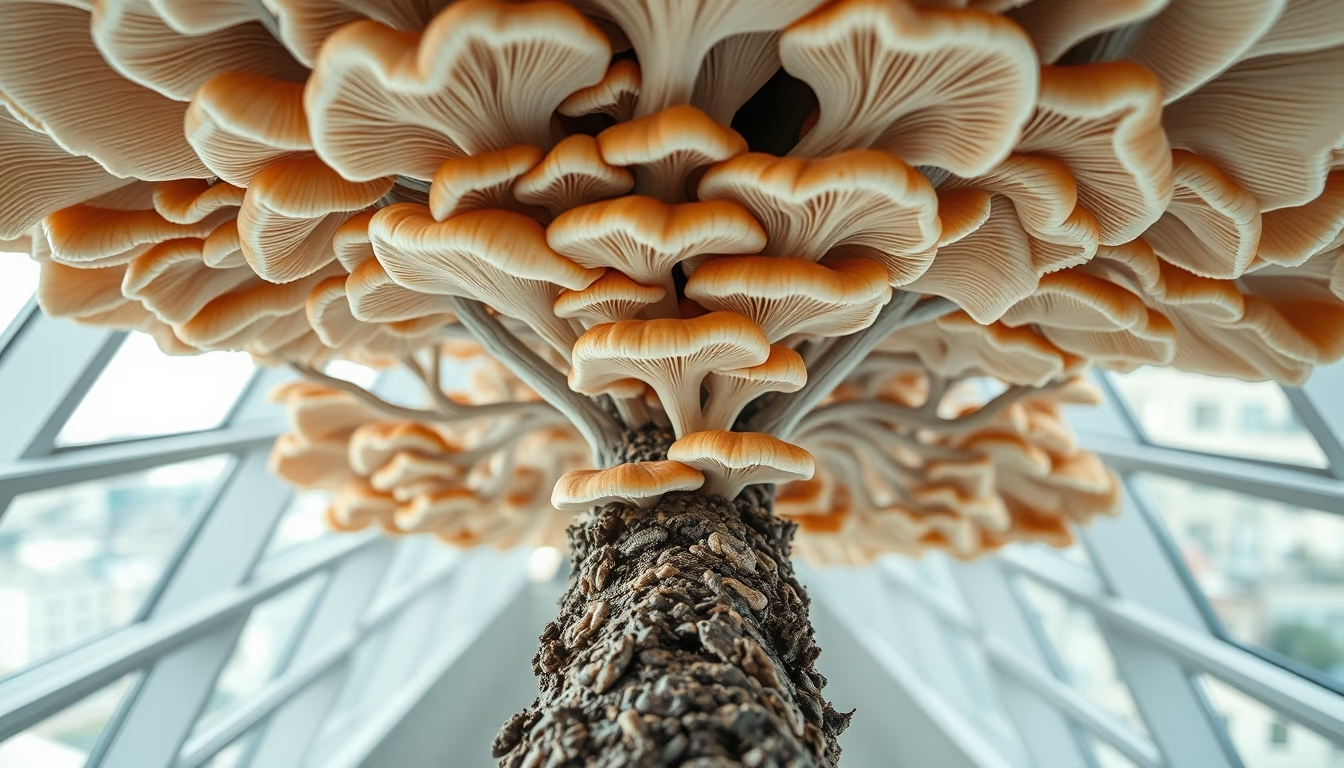
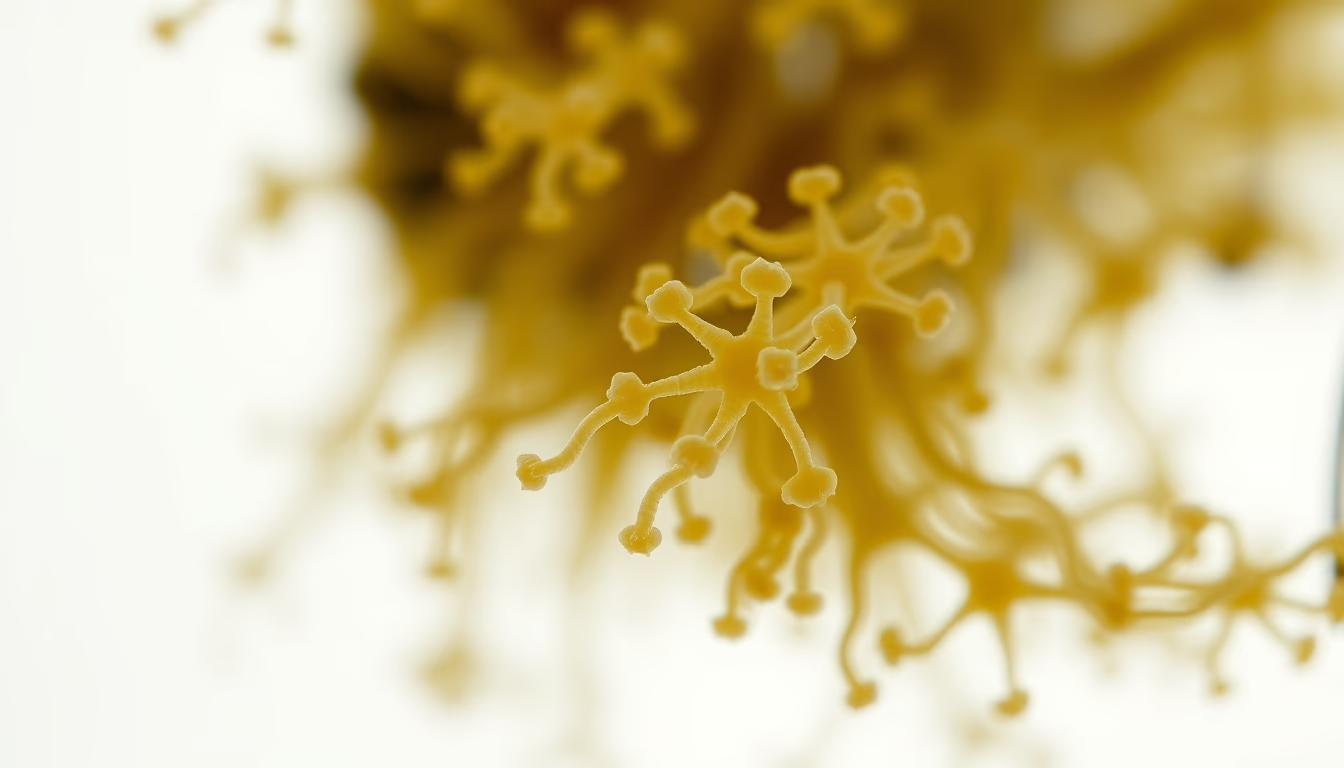
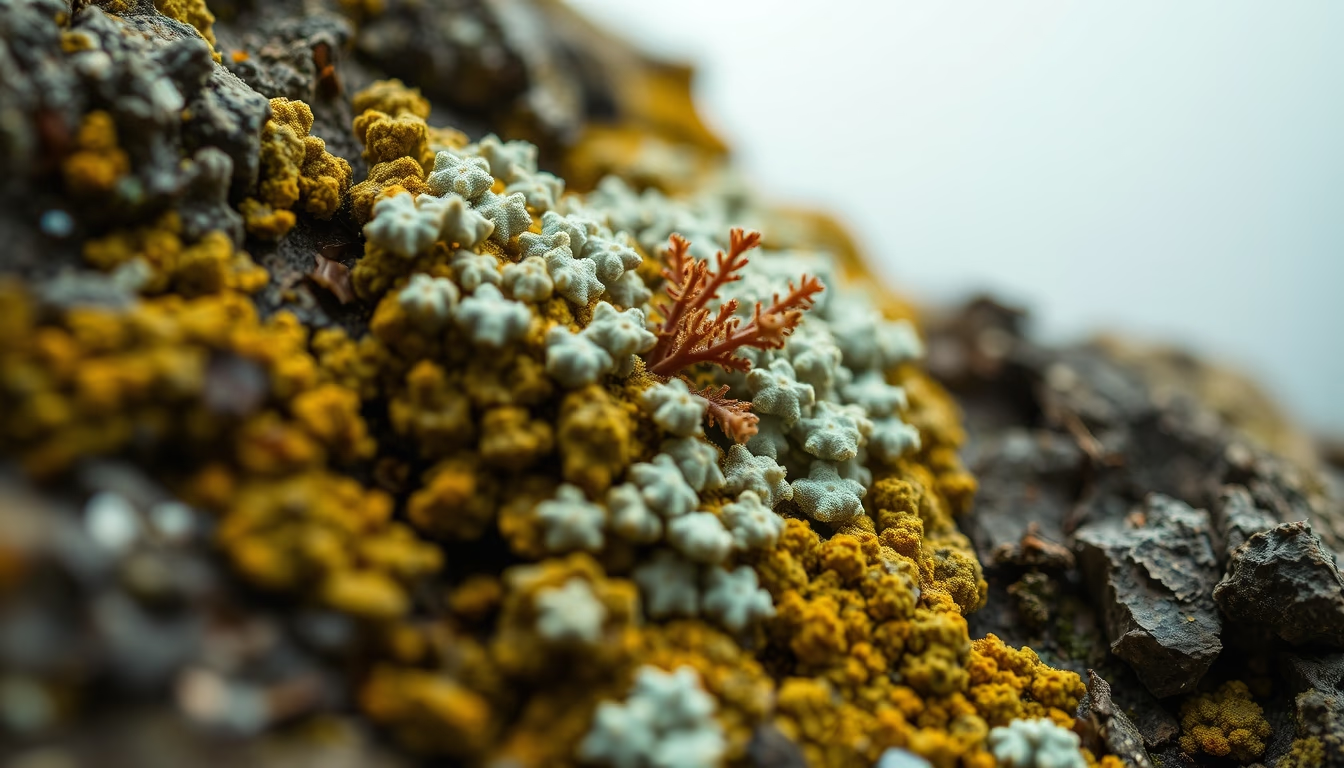
Lichens symbiotic close
1344×768 · AVIF · CC BY 4.0
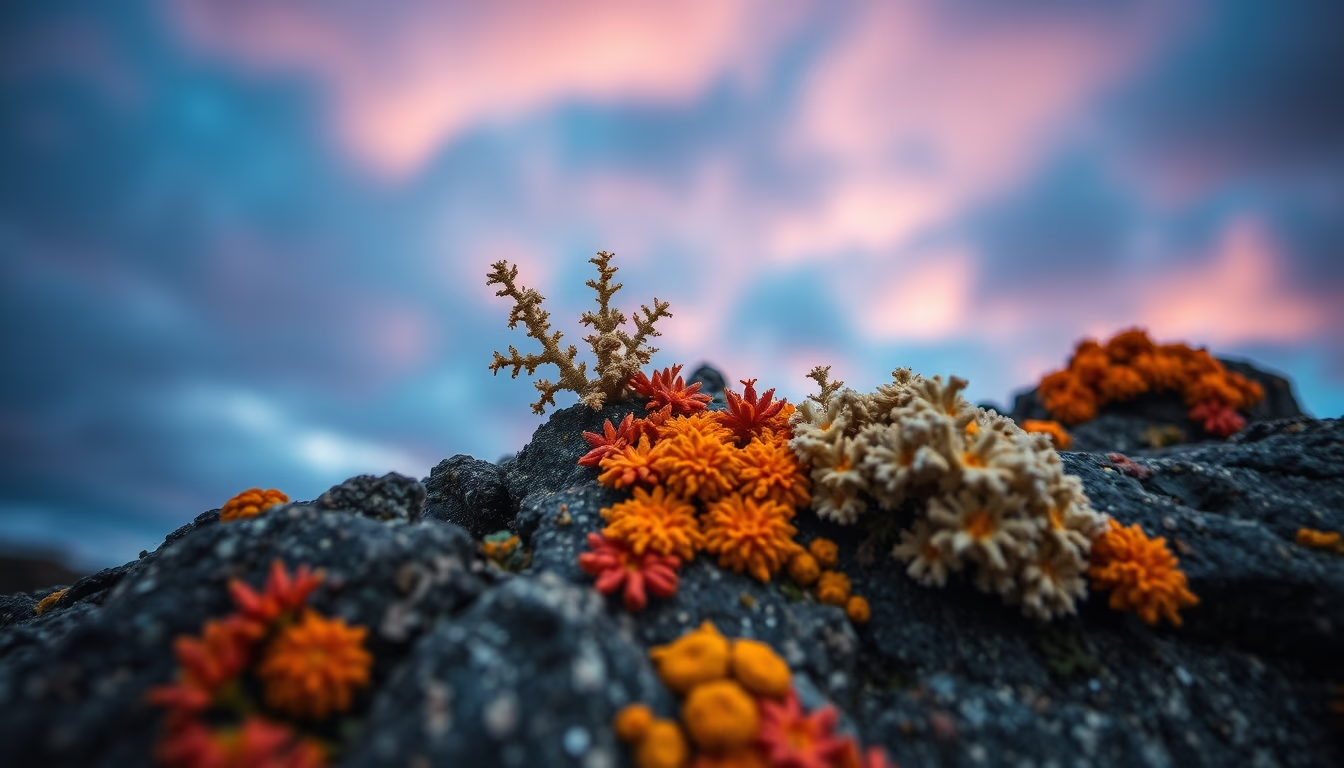
Lichens are symbiotic organisms composed of fungi and algae, vital as bioindicators and historically used in medicine and industry.
About this subject
Lichens are symbiotic associations between a fungus (mycobiont) and one or more photosynthetic partners, usually green algae or cyanobacteria (photobiont). This mutualistic relationship allows lichens to colonize extreme environments such as bare rock, tree bark and arid soils, where neither partner could survive alone. The fungus provides structure and protection, while the photobiont produces carbohydrates via photosynthesis. There are an estimated 20,000 lichen species worldwide, distributed across all continents, including Antarctica.
Ecologically, lichens are sensitive bioindicators of air quality, especially pollution from sulfur dioxide and heavy metals. Because they absorb nutrients directly from the atmosphere, they accumulate pollutants and reflect environmental changes. In regions with clean air, such as tropical rainforests and remote areas, lichens grow abundantly; in heavily industrialized urban centers, their diversity drops sharply. This sentinel role is used by scientists to monitor ecosystem health.
Historically, lichens have been employed by many cultures. In medieval Europe, species like Lobaria pulmonaria were used to treat lung diseases due to their lung-like appearance (Doctrine of Signatures). In the textile industry, lichens provide natural dyes, such as litmus (extracted from Roccella spp.), used as a pH indicator. In perfumery, oakmoss (Evernia prunastri) is a fragrance fixative. Additionally, some lichens produce compounds with antibiotic activity, such as usnic acid, studied against resistant bacteria.
A fascinating fact is the ability of some lichens to survive in space. Experiments on the International Space Station showed that species like Xanthoria elegans resist ultraviolet radiation and vacuum, remaining viable after 18 months. This resilience is due to substances like melanin and antioxidants. Lichens grow very slowly, 0.1 to 10 mm per year, so a lichen 1 meter in diameter could be millennia old, making them some of the oldest living organisms on Earth.
Frequently Asked Questions
How do lichens reproduce?
Lichens reproduce mainly by fragmentation of the thallus, but they also produce asexual structures (soredia and isidia) that contain both partners. Sexual reproduction is carried out only by the fungus, which produces spores; to form a new lichen, the spore must find a compatible photobiont.
What is the ecological importance of lichens?
Lichens are bioindicators of air quality, nitrogen fixers (when containing cyanobacteria) and pioneers in ecological succession, helping to form soil by weathering rocks. They also provide food and shelter for various animals, such as snails and insects.
Can lichens be used in medicine?
Yes, many lichens have a history of medicinal use. Usnic acid, extracted from Usnea spp., has antibiotic and antifungal properties. Lichens like Lobaria pulmonaria were used for respiratory problems, and extracts of Cladonia spp. act as anti-inflammatories.
Direct URL
https://pub-c7d6a6ea828543ac903a74a341ccb2e1.r2.dev/imagens/lichens-symbiotic-close-long-exposure-fresh2.avifHow to credit
Include a visible link back to UtilizAí. Copy one of the snippets below:
<a href="https://xn--utiliza-eza.com/en/midia/imagens/lichens-symbiotic-close-long-exposure-fresh2">Lichens symbiotic close</a> by <a href="https://xn--utiliza-eza.com">UtilizAí</a>, licensed under <a href="https://creativecommons.org/licenses/by/4.0/">CC BY 4.0</a>.
[Lichens symbiotic close](https://xn--utiliza-eza.com/en/midia/imagens/lichens-symbiotic-close-long-exposure-fresh2) by [UtilizAí](https://xn--utiliza-eza.com), CC BY 4.0
License: CC-BY-4.0