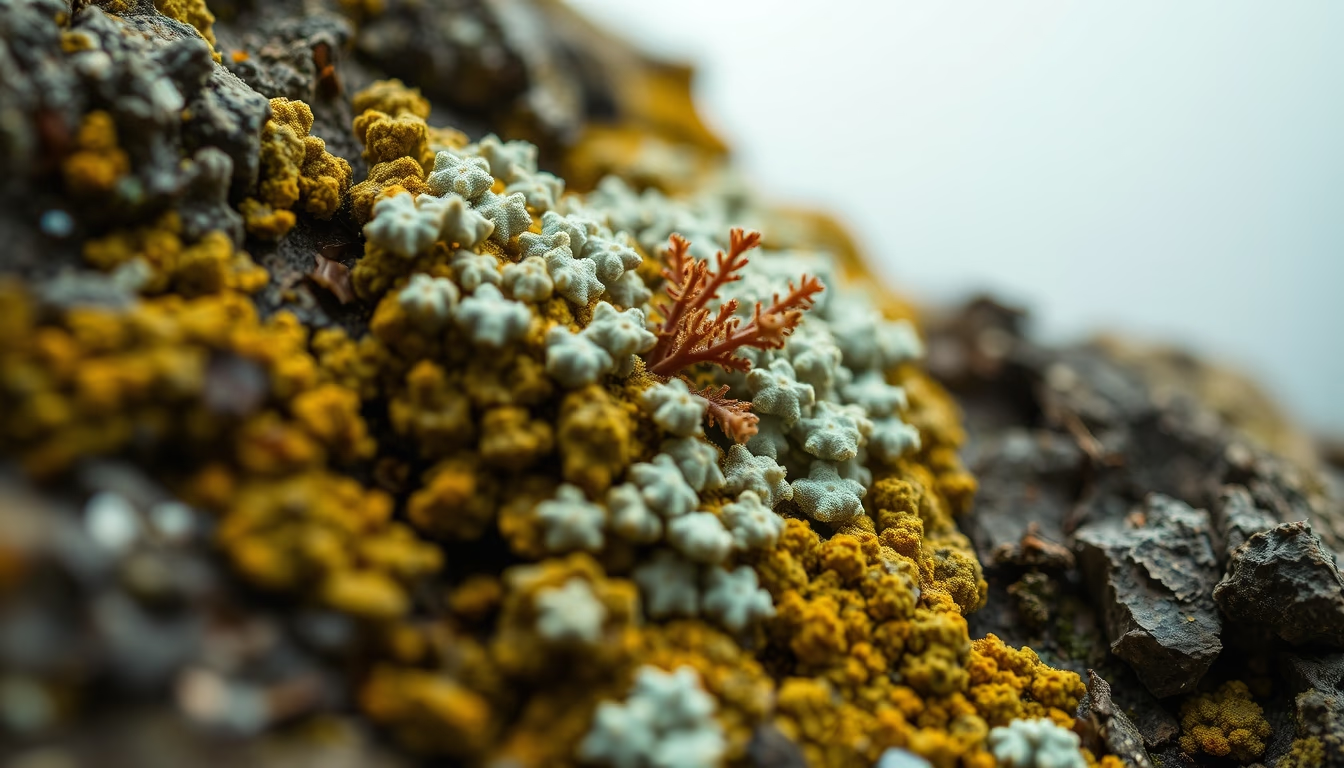
Lichens symbiotic close
1344×768 · AVIF · CC BY 4.0
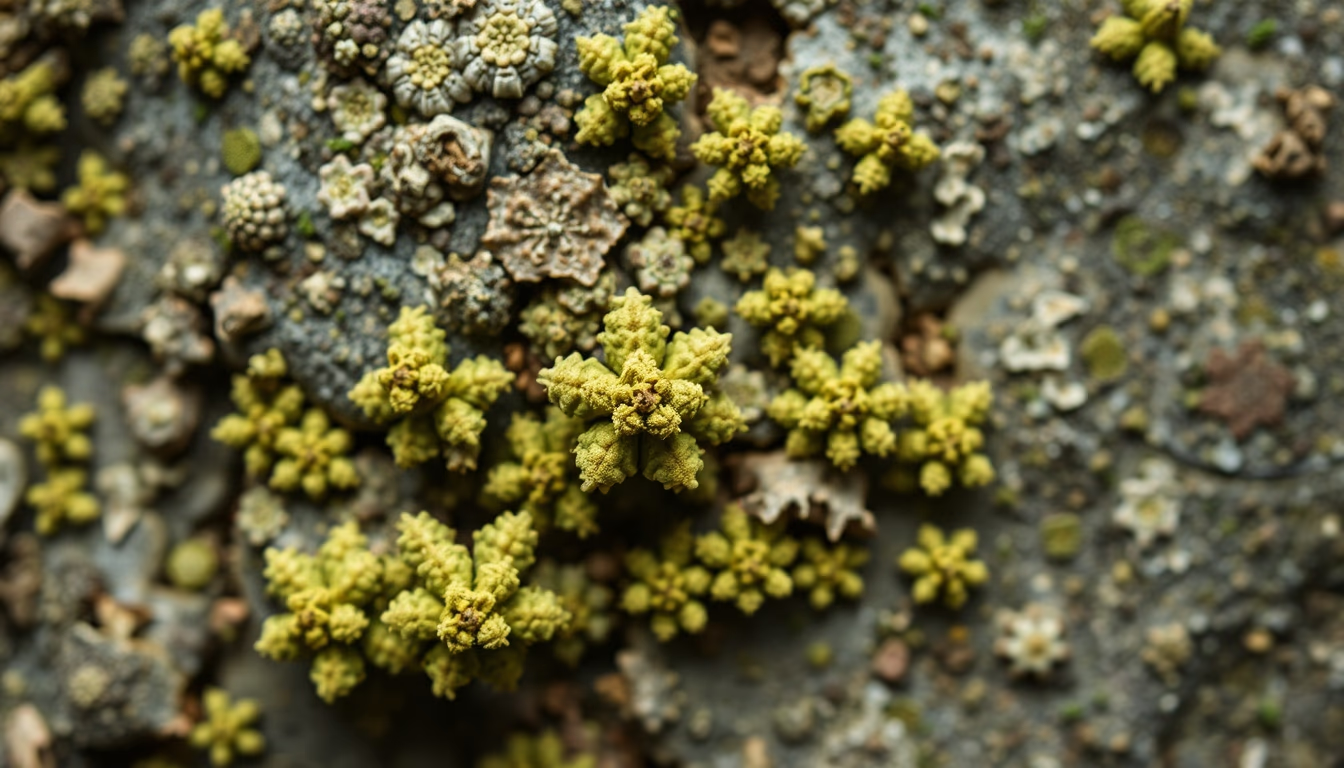
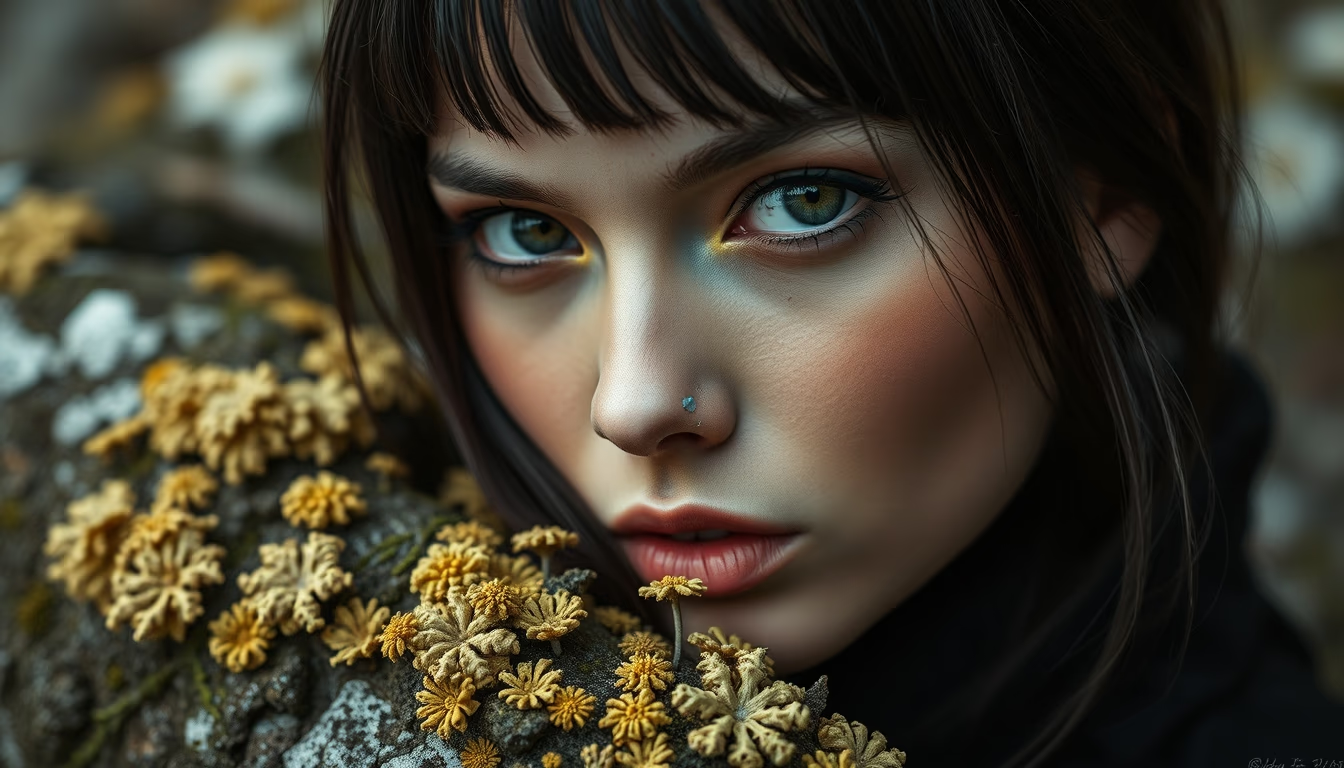
Lichens are complex organisms formed by symbiosis between fungi and algae or cyanobacteria, playing a crucial ecological role.
About this subject
Lichens are a symbiotic association between a fungus (mycobiont) and one or more photosynthetic partners (photobionts), such as green algae or cyanobacteria. This mutualistic relationship enables lichens to thrive in extreme environments, from arid deserts to polar tundra, where neither partner could survive alone. The fungus provides structure and protection, while the photobiont produces carbohydrates through photosynthesis, feeding both organisms.
Over 20,000 lichen species are known, classified into morphological groups like crustose, foliose, and fruticose. They grow very slowly, typically 0.5 to 5 millimeters per year, and can live for hundreds or thousands of years. Lichens are sensitive bioindicators of air quality because they absorb pollutants directly from the atmosphere, especially sulfur dioxide. Their presence or absence is used to monitor urban and industrial pollution.
Culturally and economically, lichens have diverse uses. They are employed in natural dyes, such as litmus for pH indicators, and in perfumery, where species like oakmoss fix fragrances. Some lichens are used in traditional medicine against infections and inflammation, and as food for animals like reindeer in Arctic regions. Recently, lichen compounds have been studied for their antibiotic and anticancer properties.
Frequently Asked Questions
What exactly is the symbiosis of lichens?
It is a mutualistic relationship where the fungus provides shelter and minerals, and the alga or cyanobacterium produces food through photosynthesis. This partnership allows lichens to survive in harsh conditions.
Why are lichens considered bioindicators?
Because they absorb air pollutants like sulfur dioxide without excretion mechanisms. Their sensitivity makes them excellent for monitoring air quality in urban and industrial areas.
What are the main uses of lichens today?
They are used in natural dyes, perfume fixatives (such as oakmoss), and traditional medicine. Recent research explores their antibiotic and anticancer potential.
Direct URL
https://pub-c7d6a6ea828543ac903a74a341ccb2e1.r2.dev/imagens/lichens-symbiotic-close-isometric-flat-lay-fresh3.avifHow to credit
Include a visible link back to UtilizAí. Copy one of the snippets below:
<a href="https://xn--utiliza-eza.com/en/midia/imagens/lichens-symbiotic-close-isometric-flat-lay-fresh3">Lichens symbiotic close</a> by <a href="https://xn--utiliza-eza.com">UtilizAí</a>, licensed under <a href="https://creativecommons.org/licenses/by/4.0/">CC BY 4.0</a>.
[Lichens symbiotic close](https://xn--utiliza-eza.com/en/midia/imagens/lichens-symbiotic-close-isometric-flat-lay-fresh3) by [UtilizAí](https://xn--utiliza-eza.com), CC BY 4.0
License: CC-BY-4.0