Lichens symbiotic close
1344×768 · AVIF · CC BY 4.0
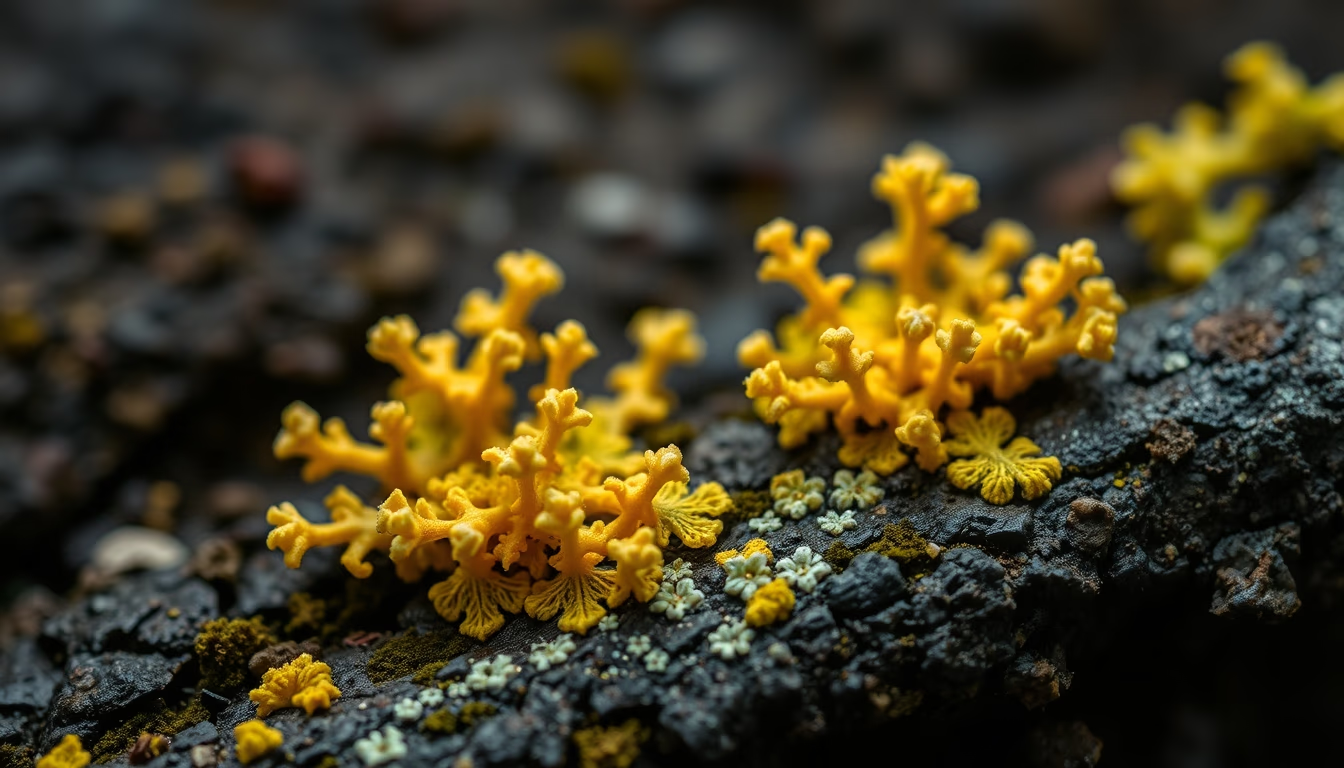
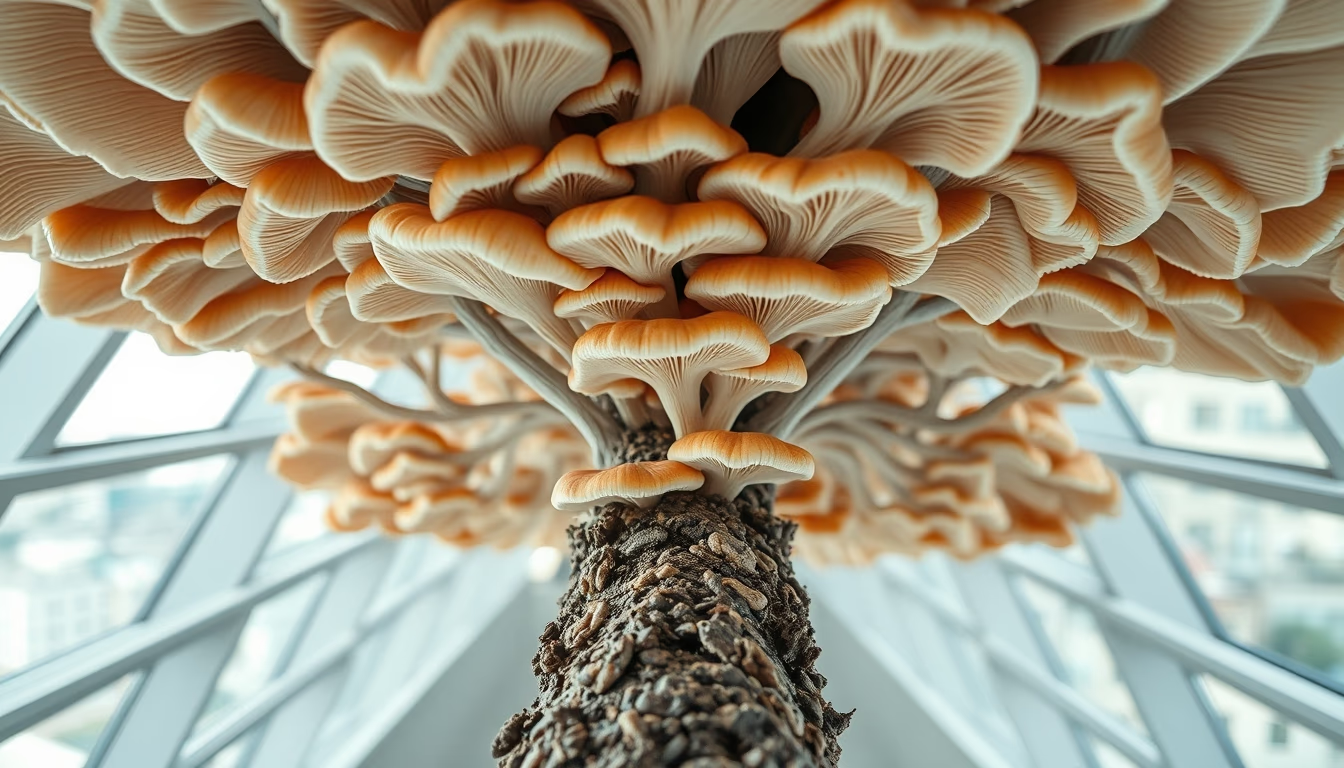
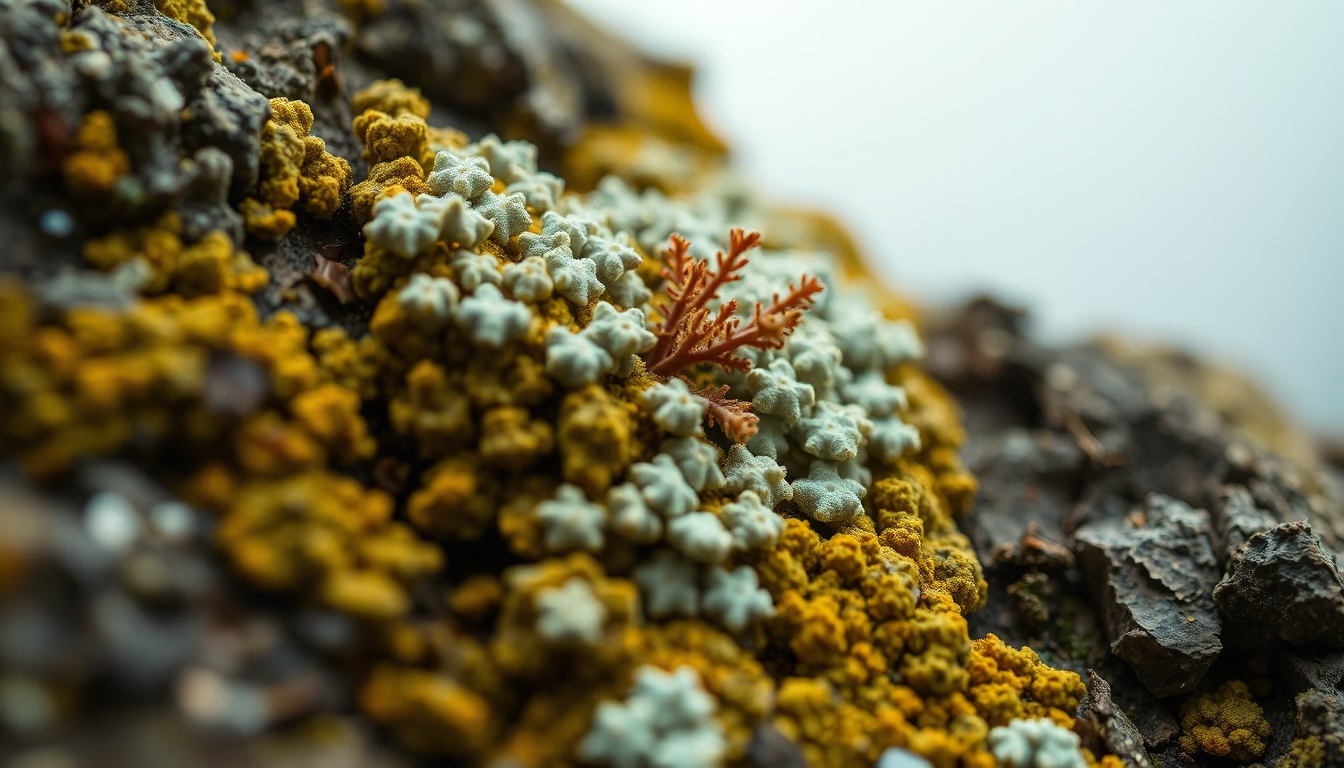
Lichens are organisms resulting from symbiosis between fungi and algae or cyanobacteria, forming unique and resilient structures.
About this subject
Lichens are symbiotic associations between a fungus, called the mycobiont, and one or more photosynthetic partners (photobionts), usually green algae or cyanobacteria. This mutualistic relationship allows them to colonize extreme environments such as bare rocks, tree bark, and poor soils where few organisms survive. The fungus provides structure and protection, while the photobiont produces carbohydrates via photosynthesis. There are an estimated 20,000 lichen species worldwide, distributed across all continents, including Antarctica.
These organisms play a crucial role in ecological succession, pioneering rock weathering and soil formation. They serve as bioindicators of air quality, as they are highly sensitive to pollution, especially sulfur dioxide. In Brazil, they occur in biomes such as the Amazon, Atlantic Forest, and Cerrado, with several endemic species. Historically, they have been used in the production of natural dyes, such as litmus, and in traditional medicine. Some lichens, like 'Iceland moss' (Cetraria islandica), have antibiotic properties and are used in home remedies.
A fascinating curiosity is that lichens can live for hundreds of years and grow only a few millimeters per year. They reproduce through fragmentation or via specialized structures like soredia and isidia. The symbiosis is so integrated that many scientists consider the lichen a holobiont, a complete organism. In popular culture, they are often mistaken for mosses, but they differ entirely in structure and biology. The study of lichens is called lichenology.
Frequently Asked Questions
What are lichens?
Lichens are organisms formed by symbiosis between a fungus and algae or cyanobacteria, living together mutualistically. The fungus provides structure and protection, while the photosynthetic partner produces food.
Where are lichens found?
They are found worldwide, on rocks, tree trunks, soils, and even in deserts and Antarctica. In Brazil, they occur in the Amazon, Atlantic Forest, and Cerrado.
Are lichens harmful?
Generally not harmful, but some species may cause allergies in sensitive individuals. They are important bioindicators of air quality and play a key ecological role.
Direct URL
https://pub-c7d6a6ea828543ac903a74a341ccb2e1.r2.dev/imagens/lichens-symbiotic-close-fine-art-photography-fresh13.avifHow to credit
Include a visible link back to UtilizAí. Copy one of the snippets below:
<a href="https://xn--utiliza-eza.com/en/midia/imagens/lichens-symbiotic-close-fine-art-photography-fresh13">Lichens symbiotic close</a> by <a href="https://xn--utiliza-eza.com">UtilizAí</a>, licensed under <a href="https://creativecommons.org/licenses/by/4.0/">CC BY 4.0</a>.
[Lichens symbiotic close](https://xn--utiliza-eza.com/en/midia/imagens/lichens-symbiotic-close-fine-art-photography-fresh13) by [UtilizAí](https://xn--utiliza-eza.com), CC BY 4.0
License: CC-BY-4.0