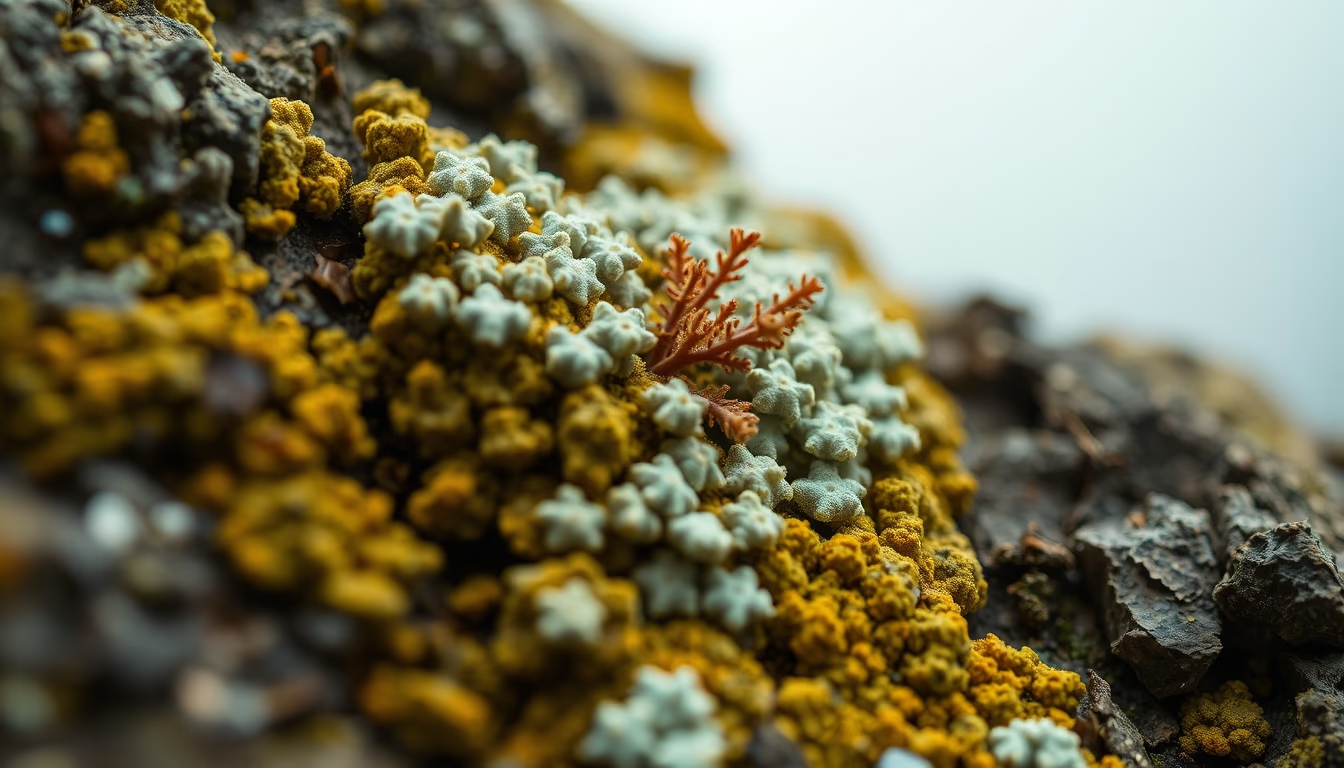
Lichens symbiotic close
1344×768 · AVIF · CC BY 4.0
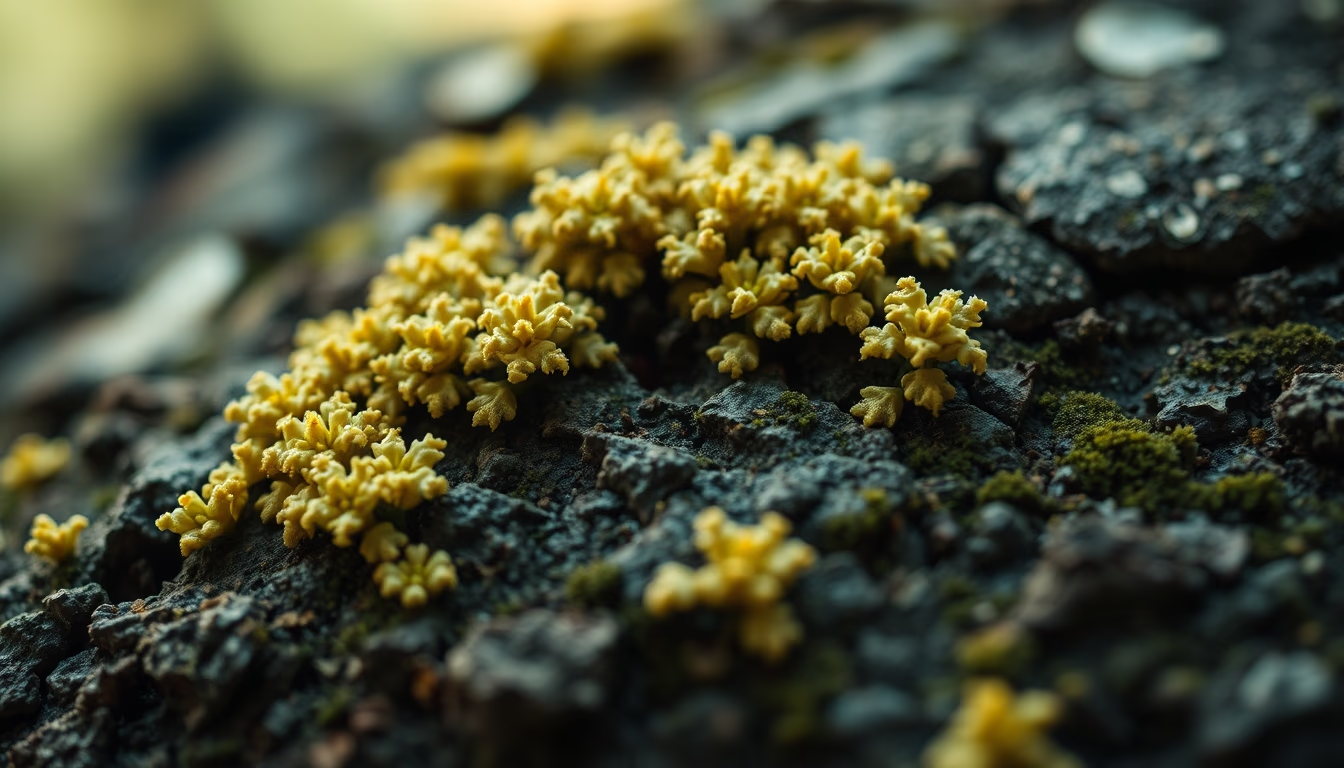
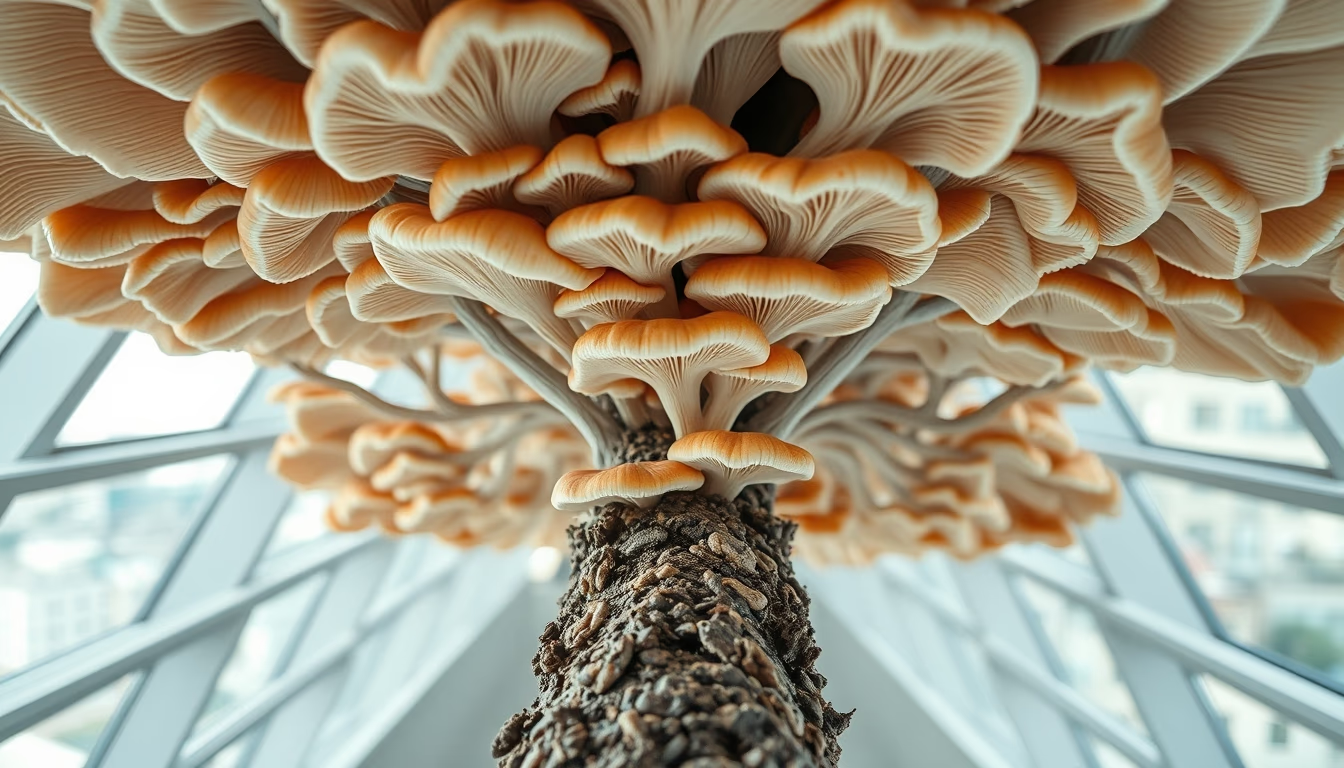
Lichens are symbiotic organisms formed by fungi and algae or cyanobacteria, creating unique structures that colonize rocks, tree trunks, and soils worldwide.
About this subject
Lichens represent an obligate symbiotic association between a fungus (mycobiont) and one or more photosynthetic partners (photobionts), typically green algae or cyanobacteria. This union results in a thallus with morphological and physiological traits distinct from each isolated component. It is estimated that about 20,000 lichen species exist worldwide, distributed from polar regions to tropical deserts.
These organisms are pioneers in colonizing exposed substrates, such as bare rocks and freshly formed soil, due to their ability to withstand extremes of temperature, UV radiation, and desiccation. They secrete lichenic acids that weather rocks, contributing to soil formation. Additionally, many lichens are used as bioindicators of air quality, as they are sensitive to pollutants like sulfur dioxide and heavy metals.
Historically, lichens had medicinal and dyeing applications. Icelandic moss (Cetraria islandica) was used to treat respiratory issues, and litmus, extracted from lichens of the genus Roccella, served as a pH indicator. Currently, lichen compounds are studied for their antibiotic and antioxidant properties.
Lichen reproduction occurs through fragmentation, soredia, or isidia, structures containing fungal hyphae and photobiont cells. The symbiosis is so integrated that lichens are considered holobionts, with the fungus being unable to survive without its photosynthetic partner in nature.
Frequently Asked Questions
What differentiates a lichen from a moss?
Lichens are symbioses between fungi and algae or cyanobacteria, while mosses are bryophyte plants with structures like stems and leaves. Lichens lack roots and vascular tissues, unlike mosses.
How can lichens survive in extreme environments?
They enter cryptobiosis, a state of near-zero metabolism, when dry. Their cell walls contain melanins and other pigments that protect against UV radiation. They can rapidly absorb water from rain or fog.
Are lichens harmful to trees?
No, lichens are not parasites. They use tree bark only as a support and do not extract nutrients from the plant. Their presence indicates clean air and does not harm healthy trees.
Direct URL
https://pub-c7d6a6ea828543ac903a74a341ccb2e1.r2.dev/imagens/lichens-symbiotic-close-documentary-photography-fresh7.avifHow to credit
Include a visible link back to UtilizAí. Copy one of the snippets below:
<a href="https://xn--utiliza-eza.com/en/midia/imagens/lichens-symbiotic-close-documentary-photography-fresh7">Lichens symbiotic close</a> by <a href="https://xn--utiliza-eza.com">UtilizAí</a>, licensed under <a href="https://creativecommons.org/licenses/by/4.0/">CC BY 4.0</a>.
[Lichens symbiotic close](https://xn--utiliza-eza.com/en/midia/imagens/lichens-symbiotic-close-documentary-photography-fresh7) by [UtilizAí](https://xn--utiliza-eza.com), CC BY 4.0
License: CC-BY-4.0