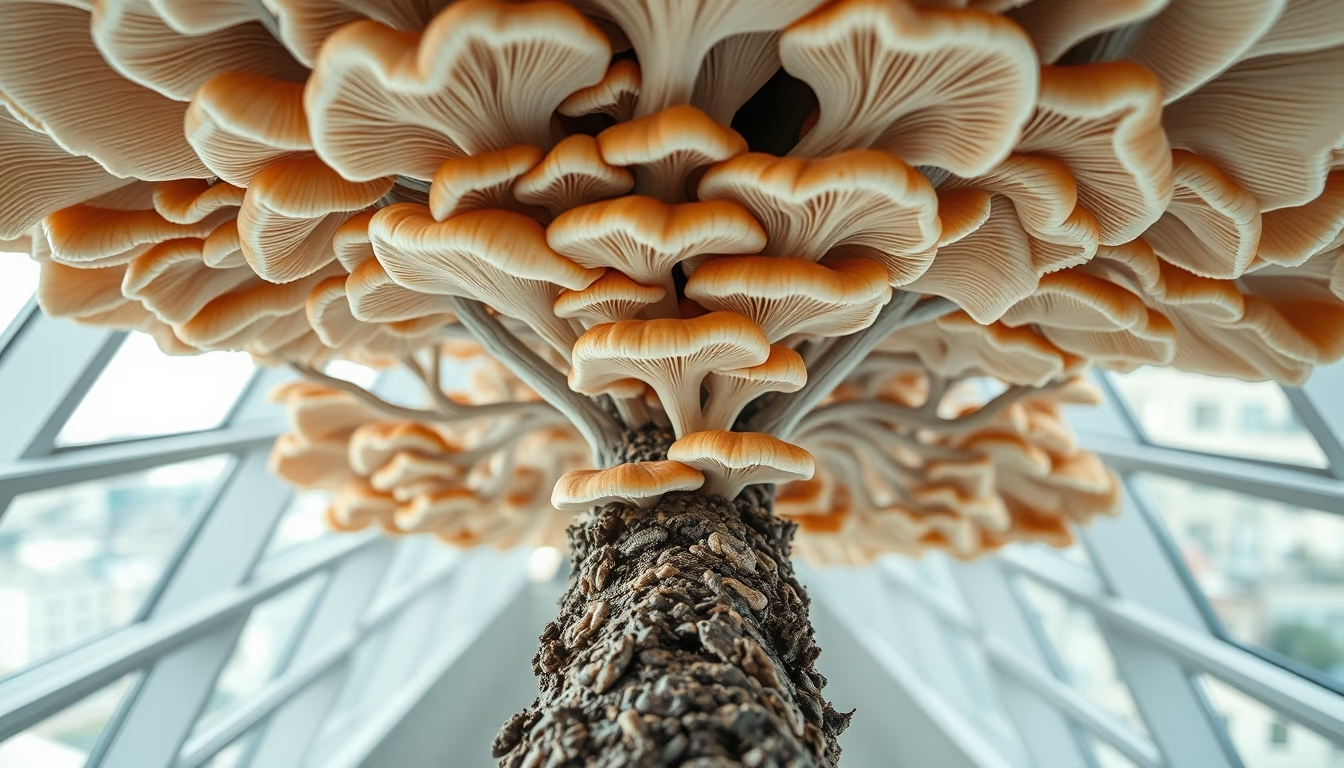
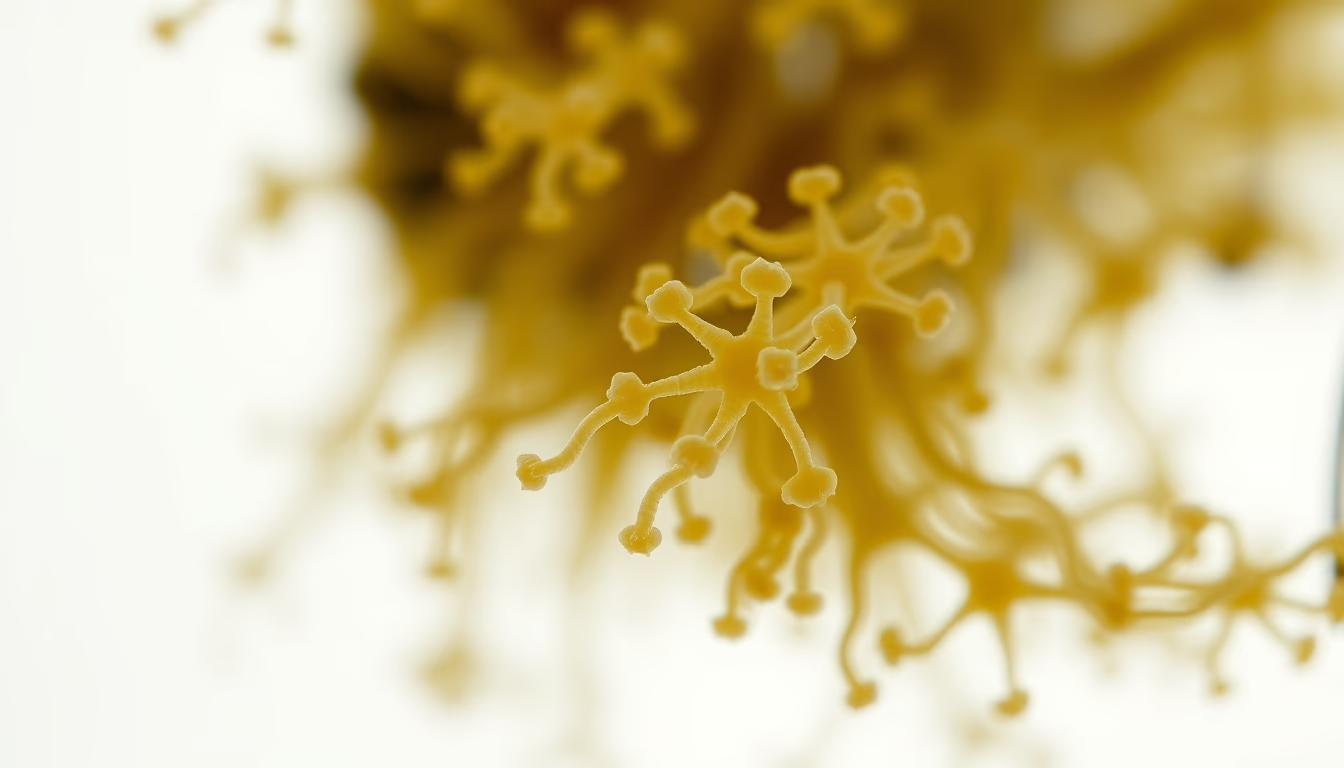
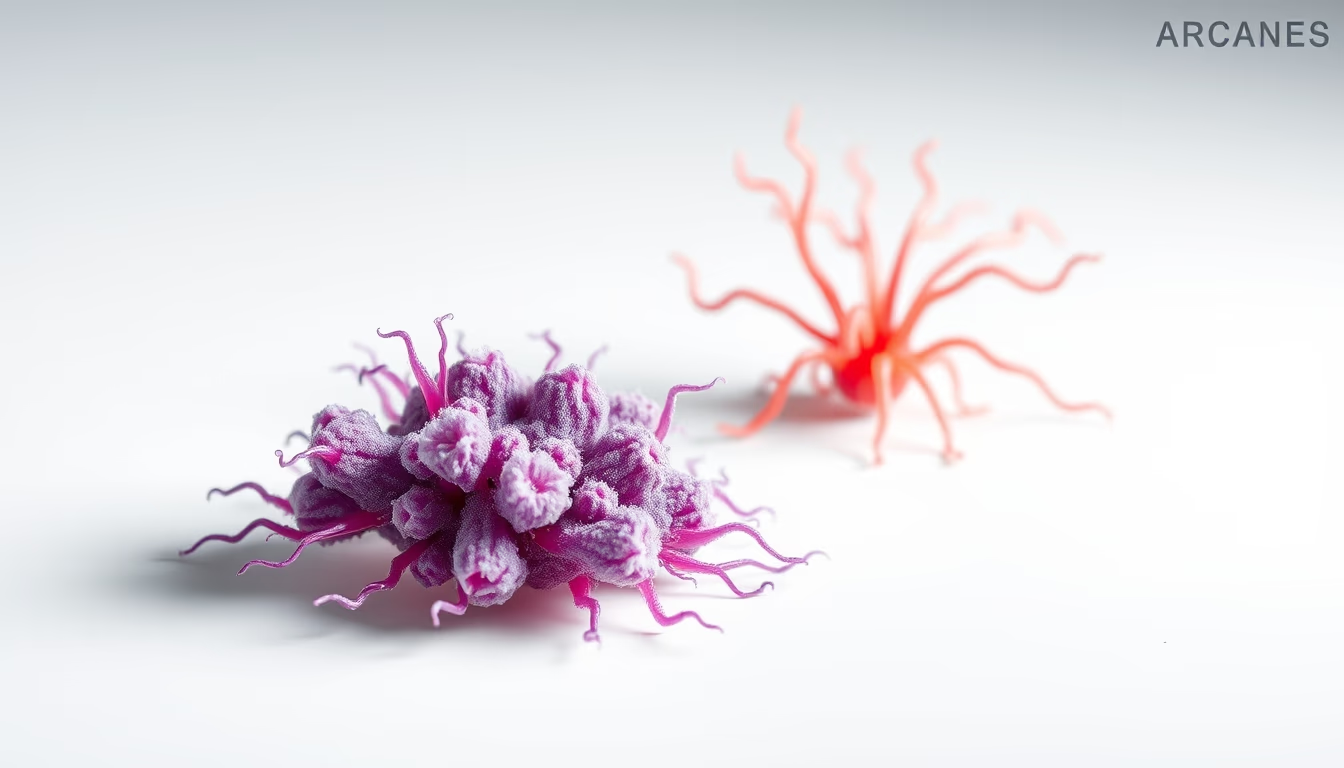
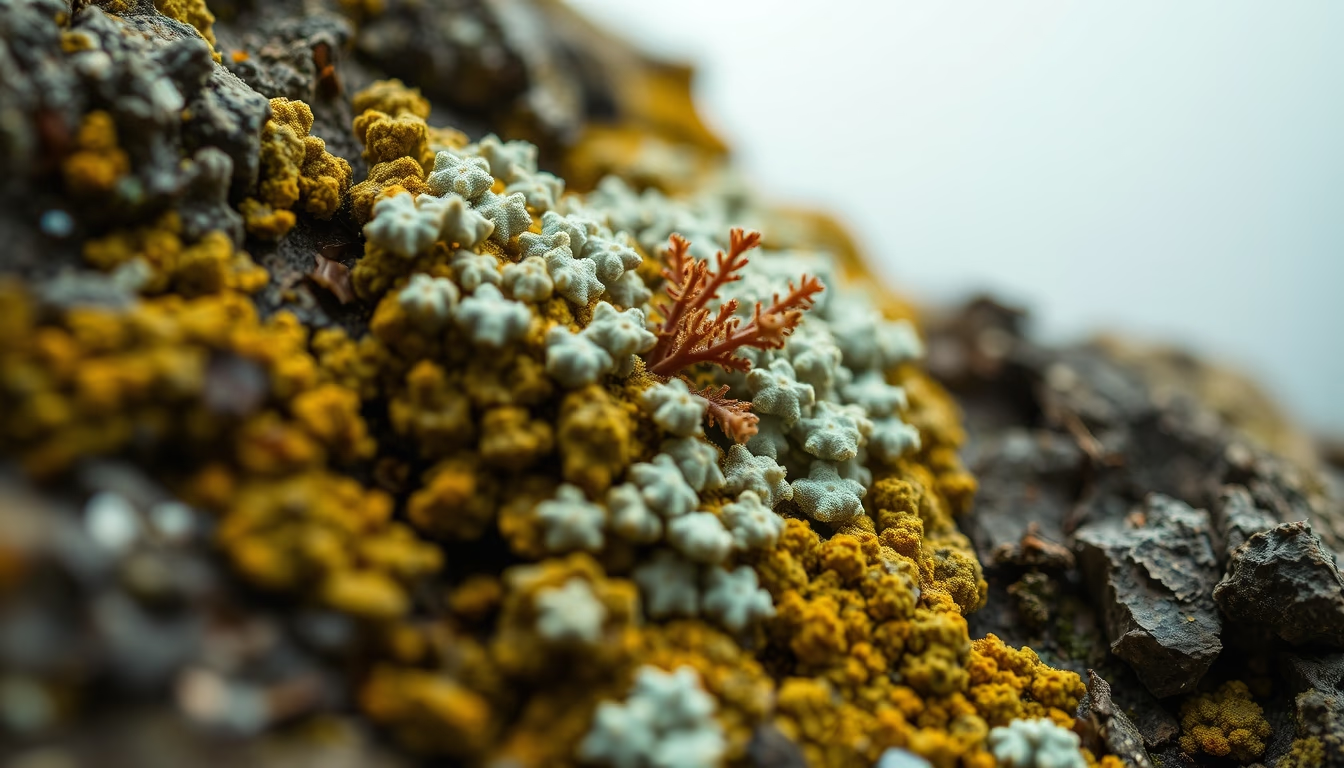
Lichens symbiotic close
1344×768 · AVIF · CC BY 4.0
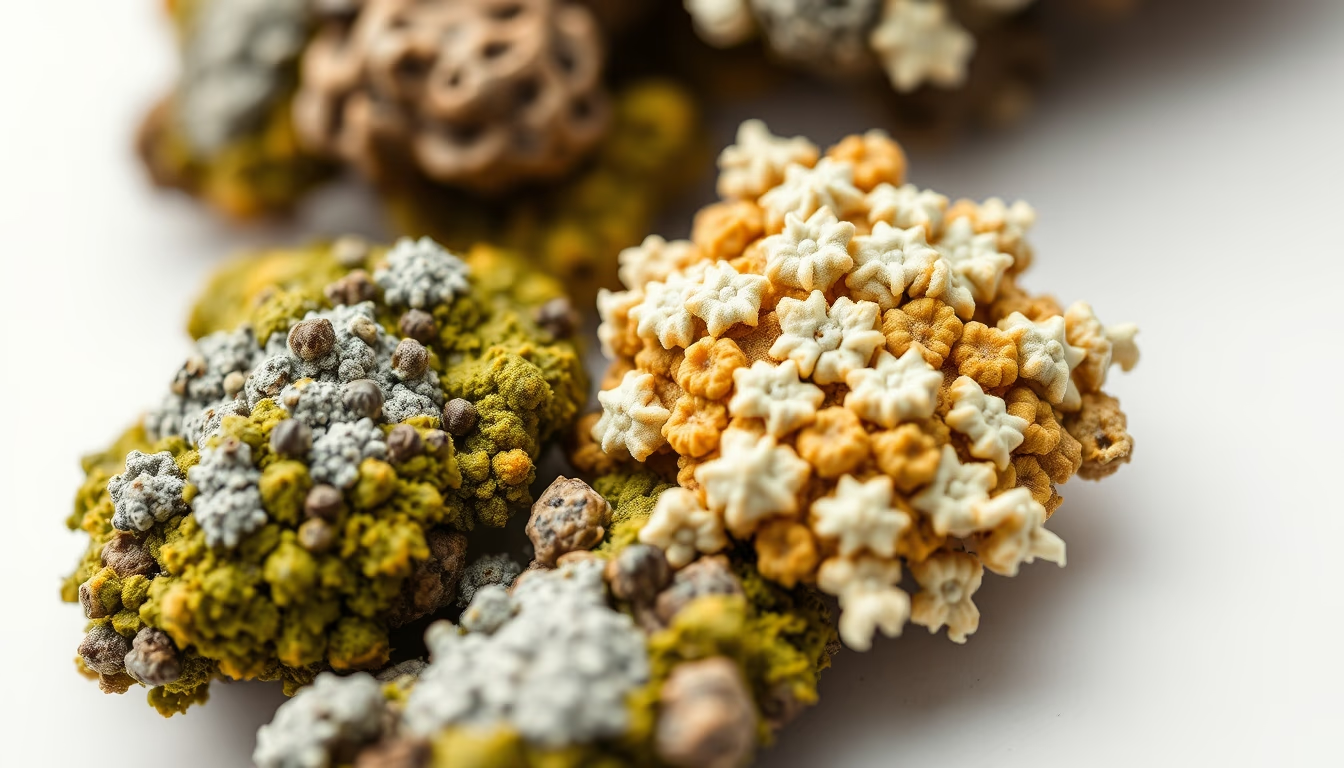
Lichens are symbiotic associations between fungi and algae or cyanobacteria, forming composite organisms that colonize diverse surfaces.
About this subject
Lichens represent one of the most successful examples of mutualism in nature. In this symbiosis, the fungus (mycobiont) provides structure and protection, while the photobiont (alga or cyanobacterium) performs photosynthesis, producing sugars that feed both. This partnership allows lichens to survive in extreme environments such as deserts, tundra, and bare rocks, where few organisms can establish themselves. In Brazil, they are found in all biomes, from the Amazon to the high-altitude fields of the Espinhaço Range, playing a crucial ecological role in soil formation and as bioindicators of air quality.
There are an estimated 20,000 lichen species worldwide, with about 3,500 recorded in Brazil. They exhibit great morphological diversity: crustose (adhering tightly to the substrate), foliose (with flat lobes), or fruticose (growing erect like small shrubs). Their varied coloration, yellow, orange, grayish-green, comes from pigments such as parietin, which protects against ultraviolet radiation. Lichens also produce lichen acids, substances with antibiotic and antifungal properties, historically used in folk medicine and the perfume industry.
Lichen reproduction can be asexual, via fragmentation or soredia (small clusters of hyphae and algae), or sexual, involving only the fungus. Growth is extremely slow, some advance only a few millimeters per year. This slowness makes lichens vulnerable to environmental disturbances but also transforms them into natural chronometers: lichenometry dates rock surfaces by measuring the diameter of crustose lichens, a technique used in archaeology and geology to estimate the age of monuments and glacial deposits.
Beyond ecological value, lichens have cultural significance. In Chile, the so-called "musgo de la puna" (Cladonia) is used in handicrafts and nativity scenes. In Brazil, the lichen known as "orelha-de-pau" (family Parmeliaceae) is used in rituals and as a condiment in some regions. Sensitivity to air pollution, especially sulfur dioxide, makes lichens excellent bioindicators: their absence in urban or industrial areas signals poor air quality, while abundance indicates a healthy environment.
Frequently Asked Questions
What are lichens?
Lichens are composite organisms arising from a symbiosis between a fungus and an alga or cyanobacterium. The fungus provides structure and protection, while the photosynthetic partner produces food. They are not plants nor isolated fungi but a mutualistic association.
Where are lichens found?
Lichens colonize nearly all terrestrial environments: tree trunks, rocks, soil, rooftops, and even historical monuments. In Brazil, they occur in every biome, being especially abundant in areas with high humidity and low pollution.
Why are lichens important for the environment?
They serve as bioindicators of air quality because they are sensitive to pollution. They also contribute to soil formation by weathering rocks and provide shelter and food for invertebrates. Additionally, they fix atmospheric nitrogen when the partner is a cyanobacterium.
Direct URL
https://pub-c7d6a6ea828543ac903a74a341ccb2e1.r2.dev/imagens/lichens-symbiotic-close-commercial-product-photography-fresh15.avifHow to credit
Include a visible link back to UtilizAí. Copy one of the snippets below:
<a href="https://xn--utiliza-eza.com/en/midia/imagens/lichens-symbiotic-close-commercial-product-photography-fresh15">Lichens symbiotic close</a> by <a href="https://xn--utiliza-eza.com">UtilizAí</a>, licensed under <a href="https://creativecommons.org/licenses/by/4.0/">CC BY 4.0</a>.
[Lichens symbiotic close](https://xn--utiliza-eza.com/en/midia/imagens/lichens-symbiotic-close-commercial-product-photography-fresh15) by [UtilizAí](https://xn--utiliza-eza.com), CC BY 4.0
License: CC-BY-4.0