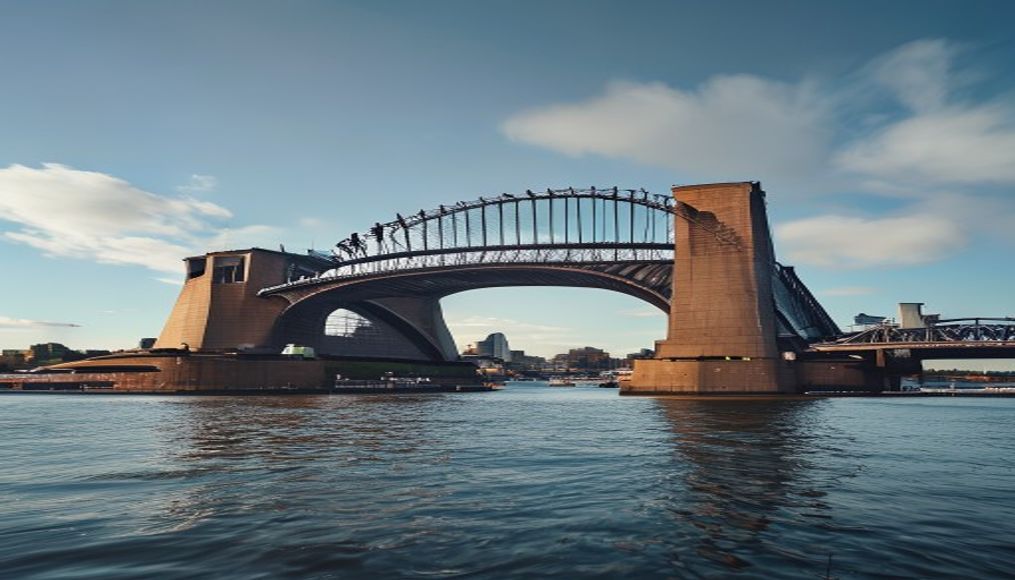
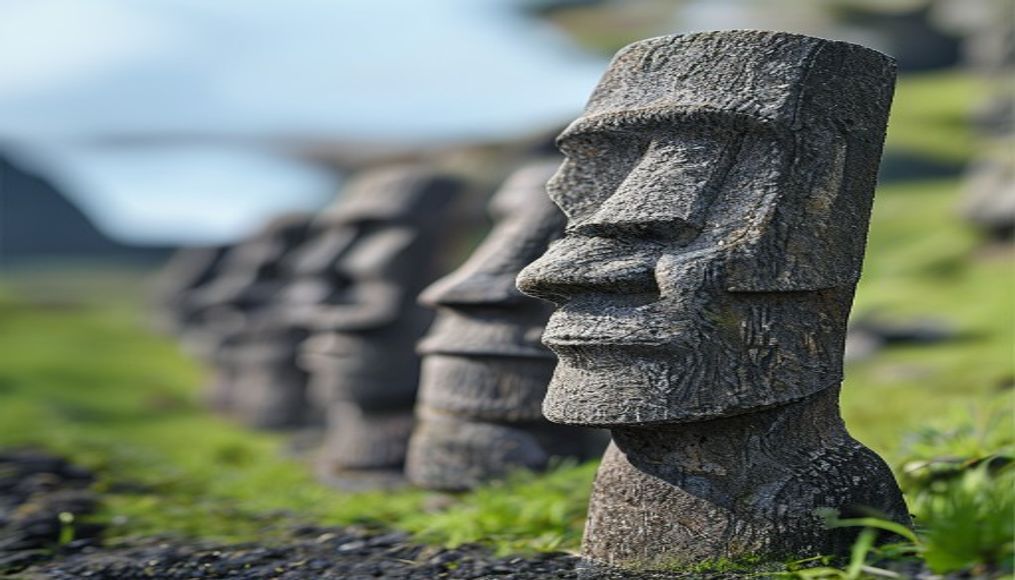
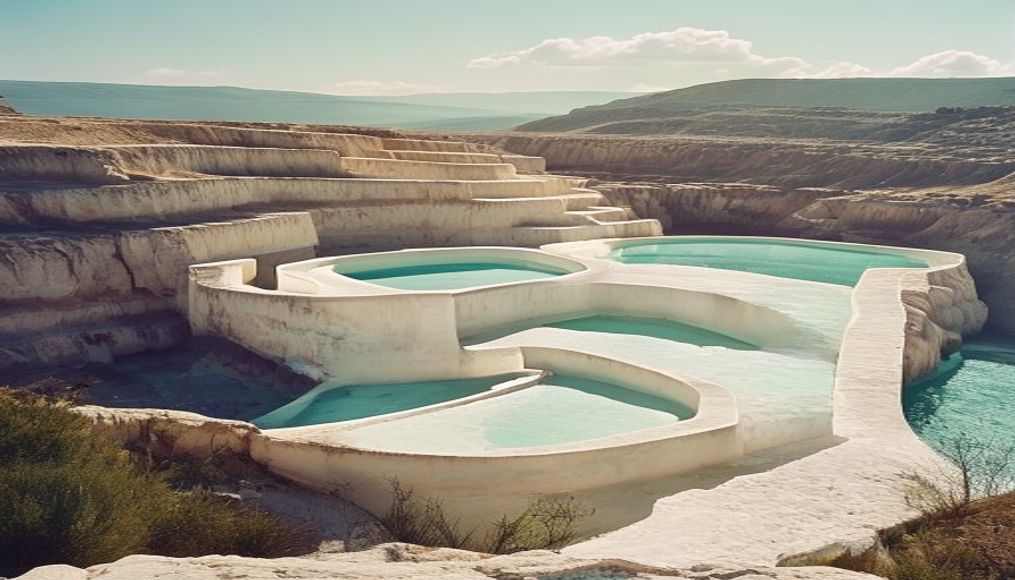
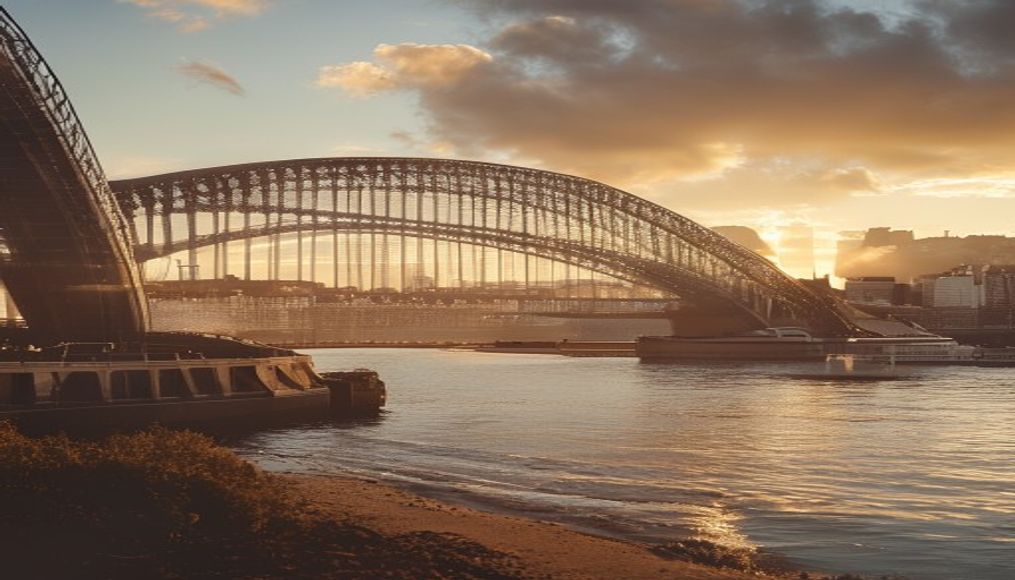
Leaning tower pisa green
1344×768 · AVIF · CC BY 4.0
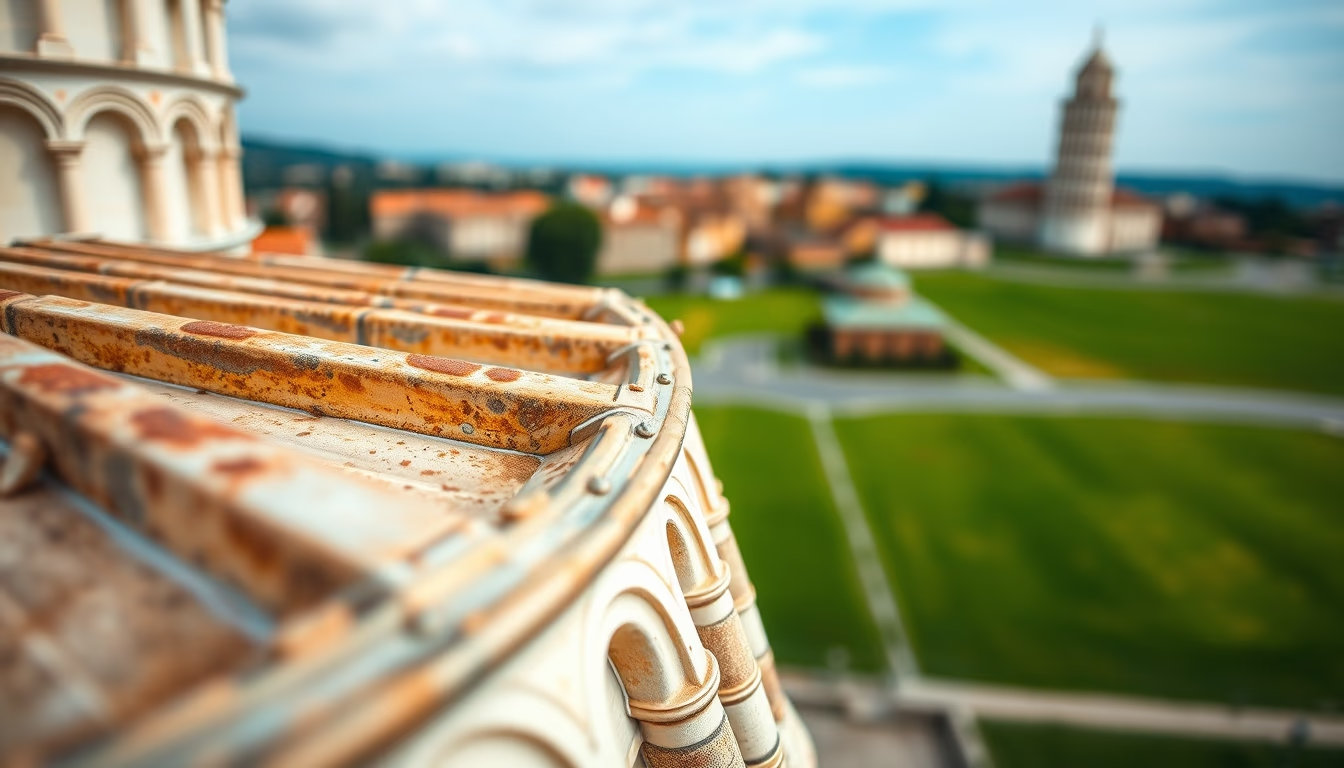
The Leaning Tower of Pisa, one of the world's most famous monuments, is known for its accidental tilt and unique Romanesque architecture.
About this subject
The Leaning Tower of Pisa is the bell tower of the Pisa Cathedral, located in the Piazza dei Miracoli in Italy. Its construction began in 1173 and lasted about 200 years, with interruptions due to wars and structural issues. The tilt started during construction when the clay and sandy soil gave way under the tower's weight. The tower is 55.86 meters tall on the low side and 56.67 meters on the high side, with a tilt of about 3.97 degrees after stabilization works carried out between 1990 and 2001.
The tower is a notable example of Romanesque architecture, with elegant columns and arches reminiscent of classical architecture. The base is surrounded by blind columns and open galleries, and the top is crowned by a belfry with seven bells. The tilt has made the tower a cultural icon, attracting millions of tourists annually. The green in the title may refer to the grass of the Piazza dei Miracoli, which contrasts with the white stone of the tower, or to mosses and lichens growing on the surface due to humidity.
The cultural significance of the Leaning Tower of Pisa extends beyond architecture. It is a symbol of medieval engineering and human resilience in correcting construction errors. The tower was declared a UNESCO World Heritage Site in 1987, along with the entire square. Interestingly, despite its tilt, the tower has never fallen, and visitors can climb the 294 steps to enjoy the city view. The tilt phenomenon has inspired geotechnical studies and stabilization techniques that are a world reference.
Frequently Asked Questions
Why is the Leaning Tower of Pisa tilted?
The tilt occurred due to unstable clay and sand soil that gave way under the tower's weight during construction. The shallow foundation and inadequate design for the terrain contributed to the problem.
How long did it take to build the Leaning Tower of Pisa?
Construction began in 1173 and was completed around 1372, with several interruptions over the centuries. Work was halted by wars and the need to address the tilt.
Will the Leaning Tower of Pisa ever fall?
After stabilization works in the 1990s and 2000s, the tilt was reduced and the tower is in equilibrium. It is expected to remain stable for at least another 200 years.
Direct URL
https://pub-c7d6a6ea828543ac903a74a341ccb2e1.r2.dev/imagens/leaning-tower-pisa-green-macro-closeup-p8.avifHow to credit
Include a visible link back to UtilizAí. Copy one of the snippets below:
<a href="https://xn--utiliza-eza.com/en/midia/imagens/leaning-tower-pisa-green-macro-closeup-p8">Leaning tower pisa green</a> by <a href="https://xn--utiliza-eza.com">UtilizAí</a>, licensed under <a href="https://creativecommons.org/licenses/by/4.0/">CC BY 4.0</a>.
[Leaning tower pisa green](https://xn--utiliza-eza.com/en/midia/imagens/leaning-tower-pisa-green-macro-closeup-p8) by [UtilizAí](https://xn--utiliza-eza.com), CC BY 4.0
License: CC-BY-4.0