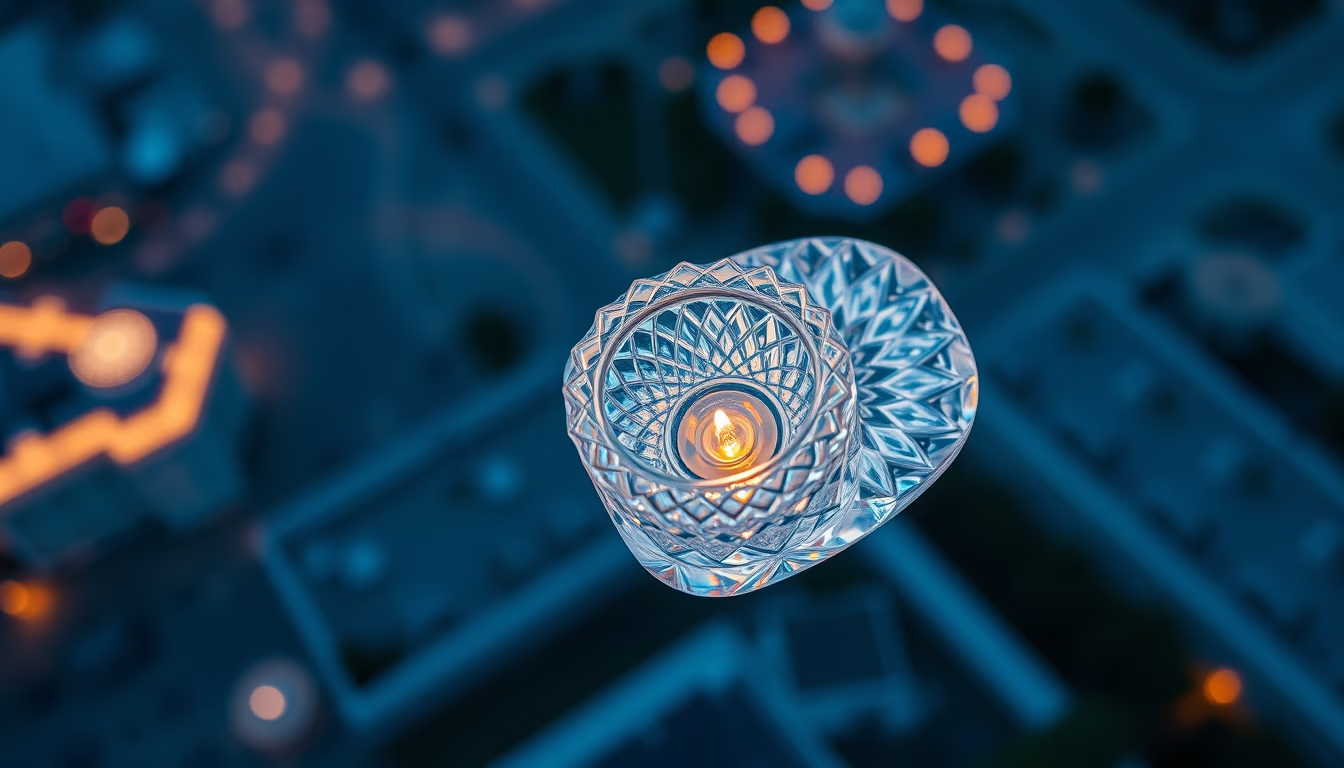
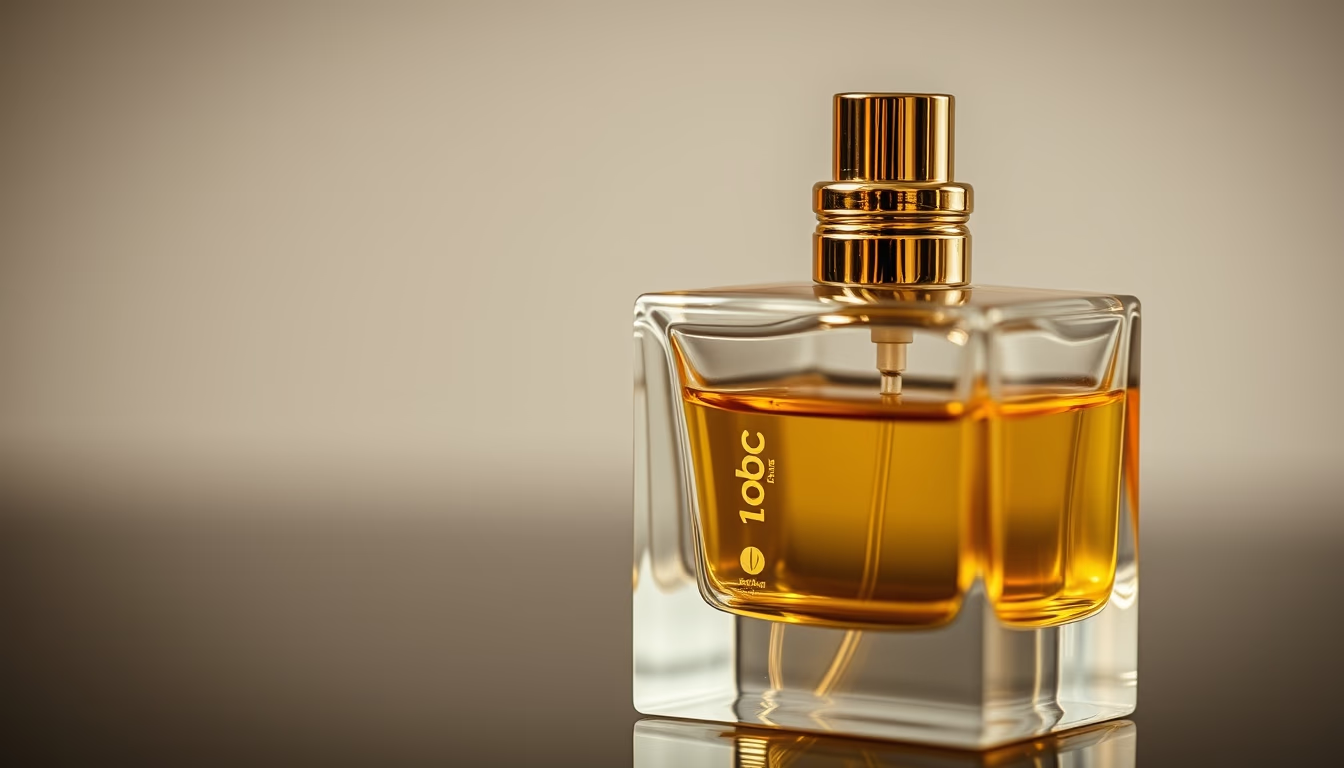
Lalique crystal flacon
1344×768 · AVIF · CC BY 4.0
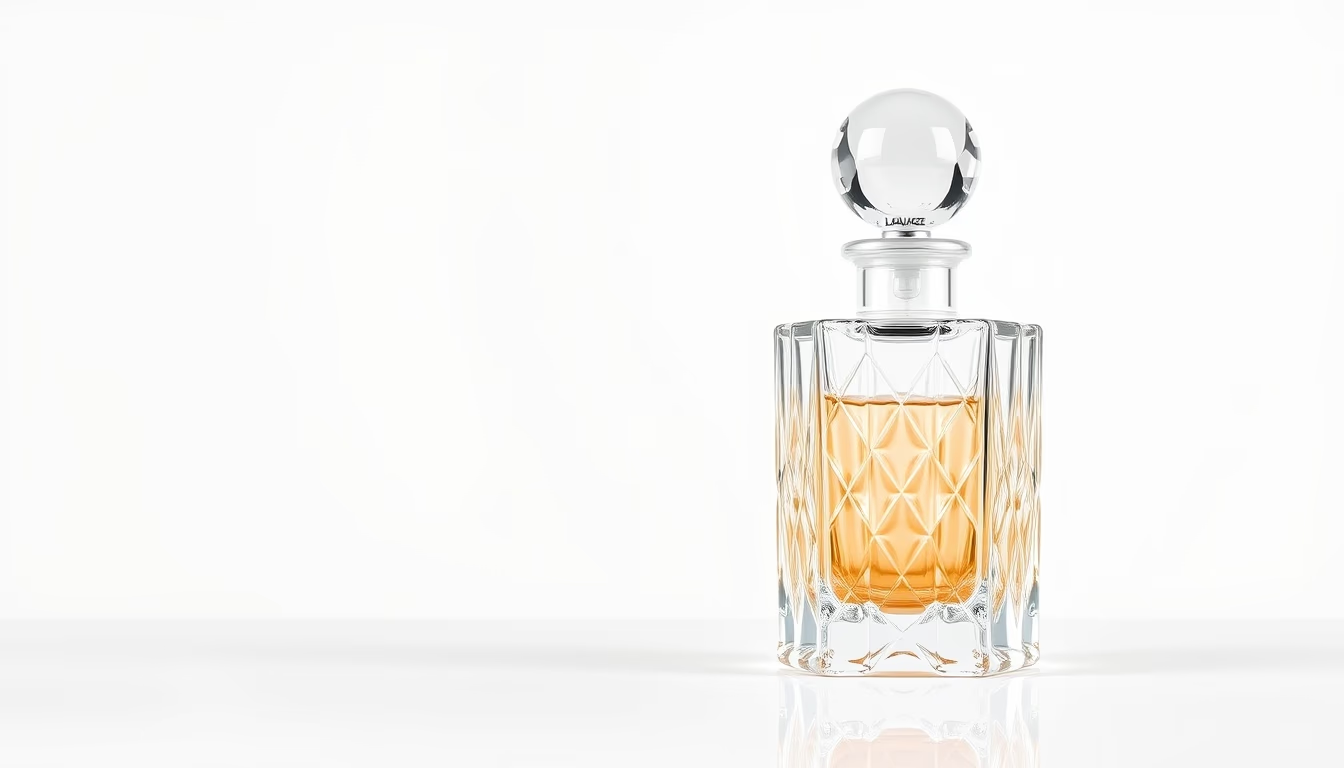
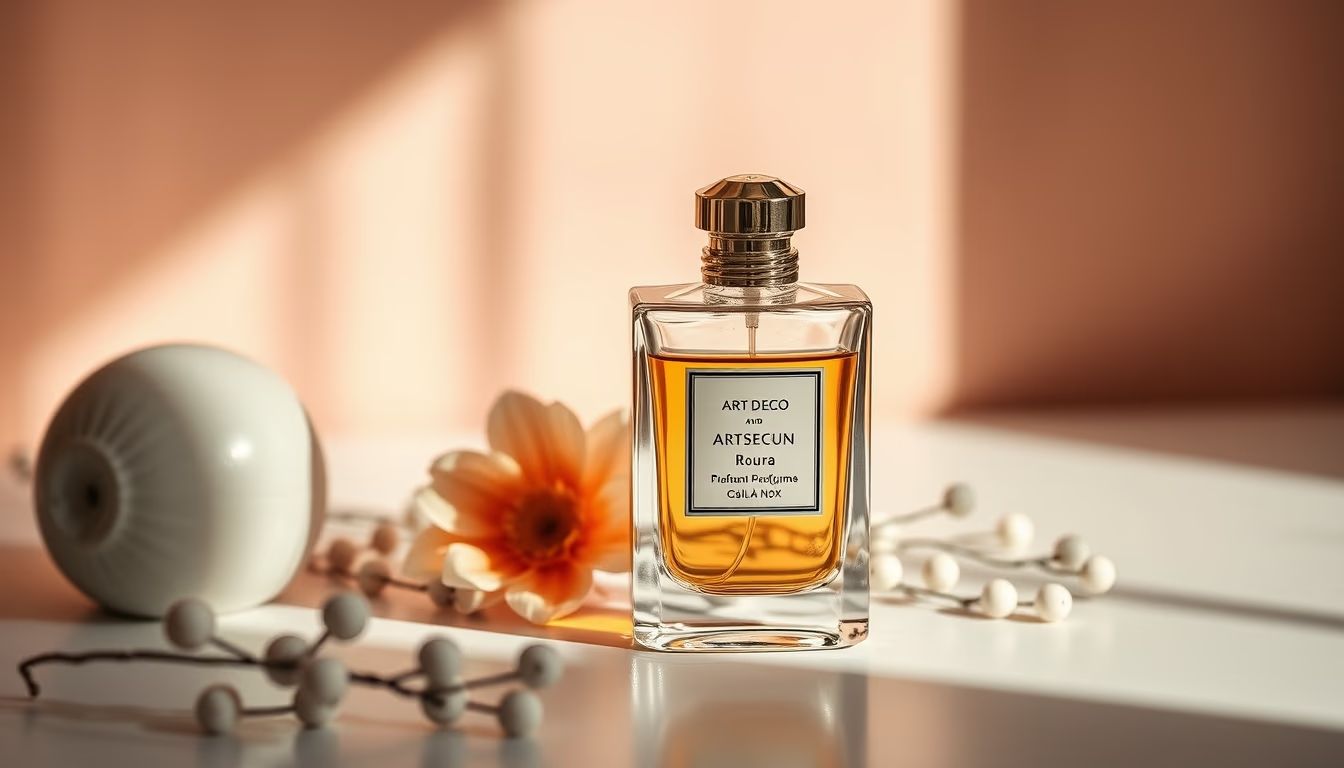
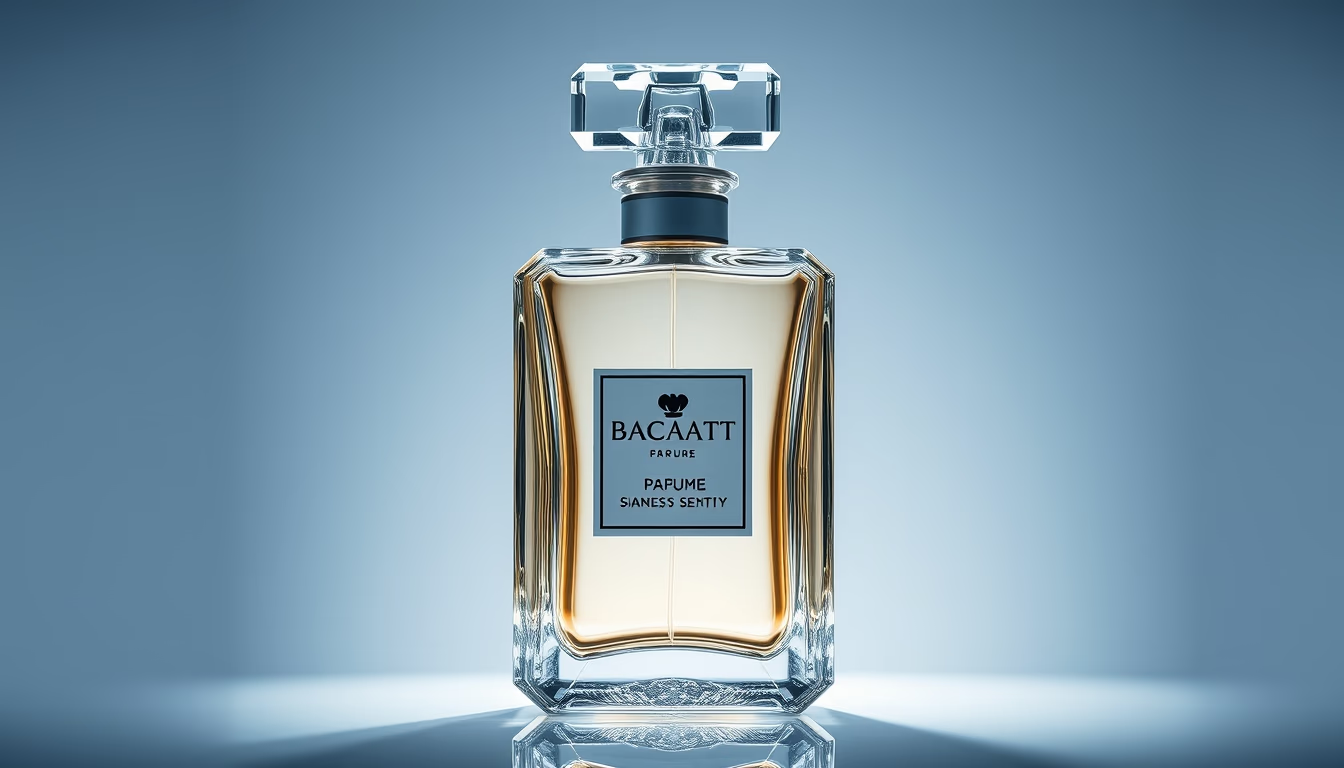
A Lalique crystal flacon, exemplifying the renowned French crystal house known for its art deco design and luxury craftsmanship.
About this subject
Maison Lalique was founded in 1888 by René Lalique, initially as a jeweler. At the turn of the century, he innovated by creating perfume bottles in glass, revolutionizing perfumery with pieces that were true sculptures. His collaboration with François Coty in 1907 marked the beginning of an era: bottles like "Bacchantes" and "Fleurs de Cristal" became icons of Art Deco. Each flacon results from a meticulous process: high-pressure molding, acid etching, and hand polishing, creating opaque and transparent surfaces that play with light.
The factory in Wingen-sur-Moder, Alsace, has been in operation since 1921. Lalique crystal contains 24% lead oxide, giving it brilliance and a distinctive ring. Recurring themes include flora, fauna, and geometric shapes, notably butterflies, dragonflies, and acanthus leaves. Each piece bears the "Lalique" signature engraved or in relief, ensuring authenticity. The "Bacchantes" collection (1927), with its intertwined female figures, is one of the most replicated and rare.
In the collector's market, Lalique bottles fetch high prices at auctions such as Sotheby's and Christie's. The Lalique Museum in Wingen-sur-Moder and the Musée d'Orsay maintain permanent exhibitions. Today, the brand produces new editions and reissues classics under the creative direction of Marc Larminaux. René Lalique's legacy lives on, combining traditional craftsmanship with contemporary design.
Frequently Asked Questions
What sets Lalique crystal apart from ordinary glass?
Lalique crystal contains 24% lead oxide, giving it greater brilliance, transparency, and a distinctive ring when tapped. The manufacturing process involves manual molding and polishing, resulting in unique pieces.
Which are the most famous Lalique perfume bottles?
Among the most iconic are the "Bacchantes" (1927), "Fleurs de Cristal" (1912), and "Biches" (1920). They are recognized for their Art Deco design and are highly collectible.
How can I identify an authentic Lalique piece?
Authentic pieces have the 'Lalique' signature engraved or in relief, usually on the base. They also come with a certificate of authenticity, and the glass has a distinct brilliance and ring.
Direct URL
https://pub-c7d6a6ea828543ac903a74a341ccb2e1.r2.dev/imagens/lalique-crystal-flacon-commercial-product-photography-fresh3.avifHow to credit
Include a visible link back to UtilizAí. Copy one of the snippets below:
<a href="https://xn--utiliza-eza.com/en/midia/imagens/lalique-crystal-flacon-commercial-product-photography-fresh3">Lalique crystal flacon</a> by <a href="https://xn--utiliza-eza.com">UtilizAí</a>, licensed under <a href="https://creativecommons.org/licenses/by/4.0/">CC BY 4.0</a>.
[Lalique crystal flacon](https://xn--utiliza-eza.com/en/midia/imagens/lalique-crystal-flacon-commercial-product-photography-fresh3) by [UtilizAí](https://xn--utiliza-eza.com), CC BY 4.0
License: CC-BY-4.0