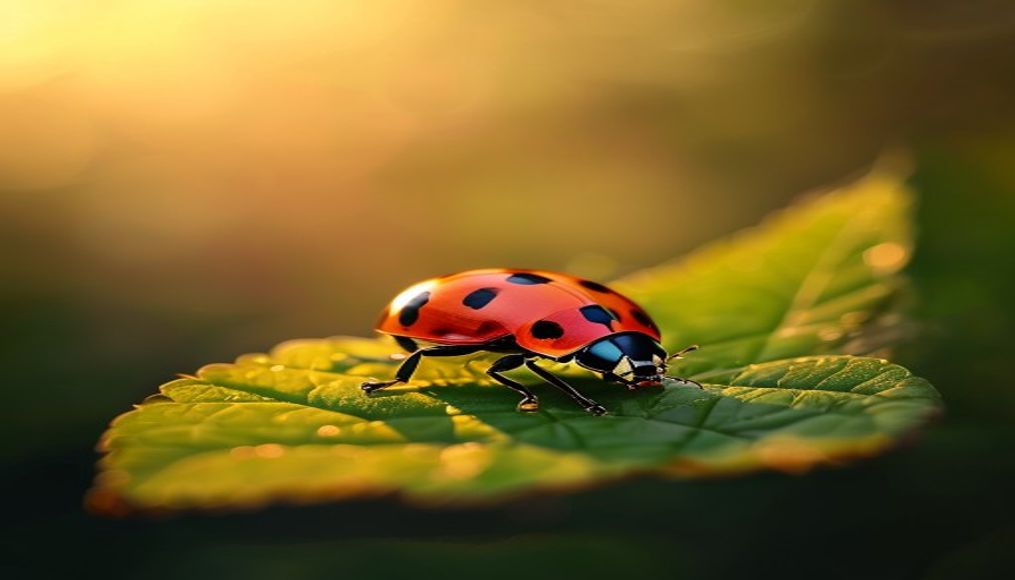
Ladybug on leaf
1344×768 · JPG · CC BY 4.0
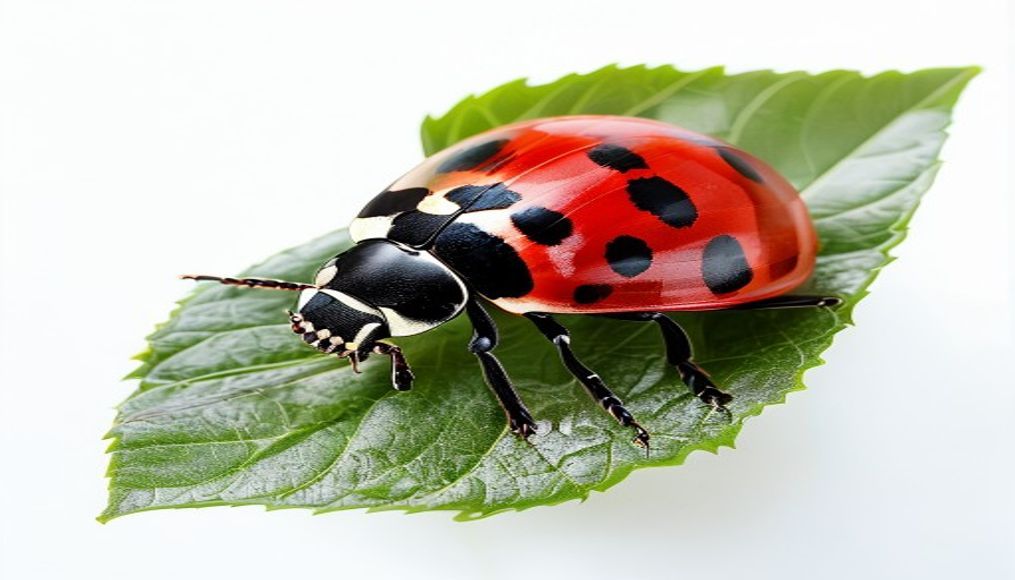
The ladybug, a small beetle with red and black spots, is one of the most beneficial insects for agriculture and gardens.
About this subject
Ladybugs, also known as ladybirds or lady beetles, are beetles belonging to the family Coccinellidae. There are over 5,000 species worldwide, with around 150 found in Brazil. Their bright red color with black spots is an example of aposematic coloration, warning predators of their unpleasant taste. When threatened, ladybugs secrete a foul-smelling yellowish fluid from their leg joints.
These insects are voracious predators of aphids, scale insects, mites, and other small arthropods. A single ladybug can consume up to 50 aphids per day, making them valuable allies in natural pest control. They are widely used in integrated pest management programs in both organic and conventional agriculture, reducing the need for chemical pesticides.
The ladybug life cycle includes four stages: egg, larva, pupa, and adult. The larvae, which resemble tiny alligators with orange spots, are also active predators. After metamorphosis, the adult emerges with soft wings that harden within a few hours, revealing the characteristic spots. In temperate regions, ladybugs may enter diapause during winter, clustering in large groups for warmth and protection.
Beyond their ecological role, ladybugs hold strong cultural symbolism. In many cultures, they are considered symbols of good luck, love, and prosperity. In Brazil, they are called "joaninha" in reference to Our Lady, due to their association with the Virgin Mary in medieval Europe. Their presence in gardens is often seen as a positive omen.
Frequently Asked Questions
What do ladybugs eat?
Ladybugs are predators that feed mainly on aphids, scale insects, mites, and other small insects. Some species also eat pollen and nectar.
Are ladybugs poisonous?
Ladybugs are not poisonous to humans, but they secrete a foul-smelling liquid that can irritate mucous membranes. They are generally harmless.
How to attract ladybugs to a garden?
To attract ladybugs, plant flowers like cilantro, dill, sunflowers, and daisies. Avoid pesticides and provide shallow water sources. They are also drawn to plants infested with aphids.
Direct URL
https://pub-c7d6a6ea828543ac903a74a341ccb2e1.r2.dev/imagens/ladybug-on-leaf-commercial-product-photography-p3.jpgHow to credit
Include a visible link back to UtilizAí. Copy one of the snippets below:
<a href="https://xn--utiliza-eza.com/en/midia/imagens/ladybug-on-leaf-commercial-product-photography-p3">Ladybug on leaf</a> by <a href="https://xn--utiliza-eza.com">UtilizAí</a>, licensed under <a href="https://creativecommons.org/licenses/by/4.0/">CC BY 4.0</a>.
[Ladybug on leaf](https://xn--utiliza-eza.com/en/midia/imagens/ladybug-on-leaf-commercial-product-photography-p3) by [UtilizAí](https://xn--utiliza-eza.com), CC BY 4.0
License: CC-BY-4.0