Lacework antique tatting
1344×768 · AVIF · CC BY 4.0
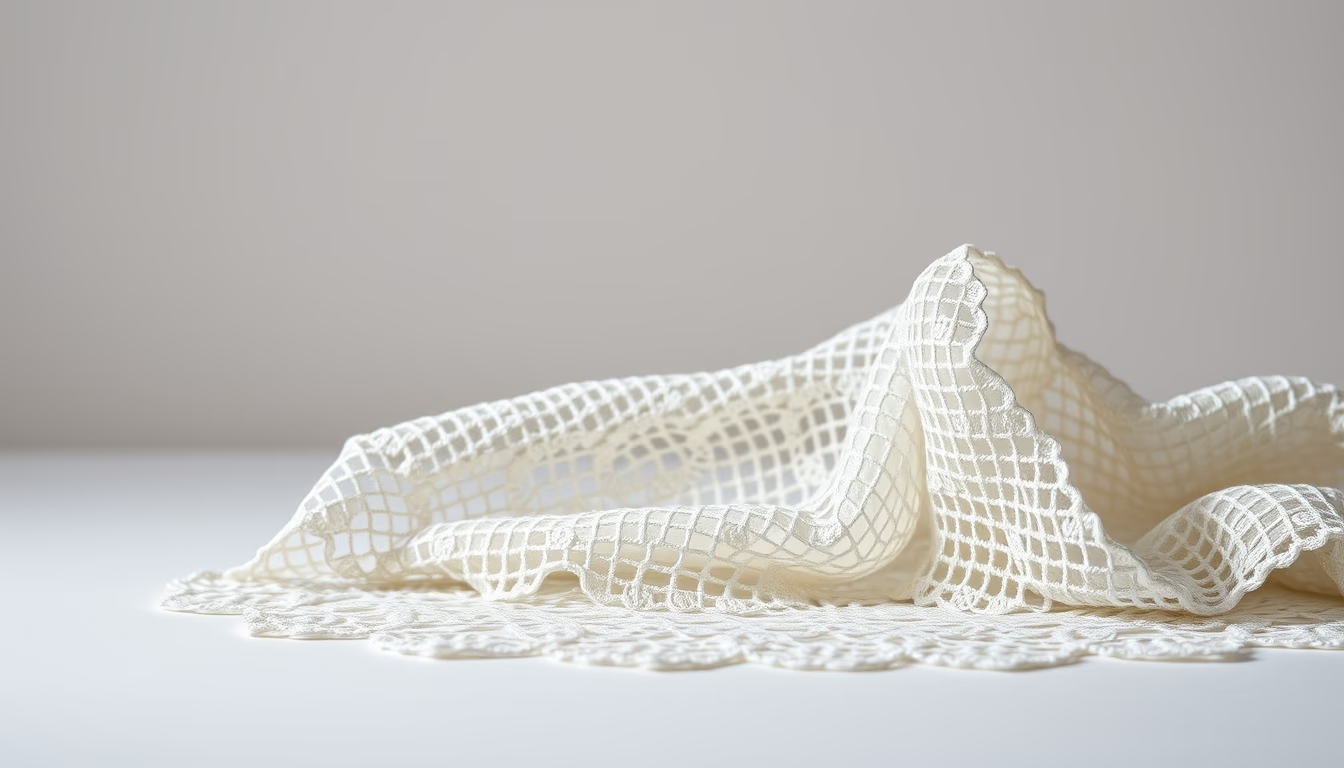
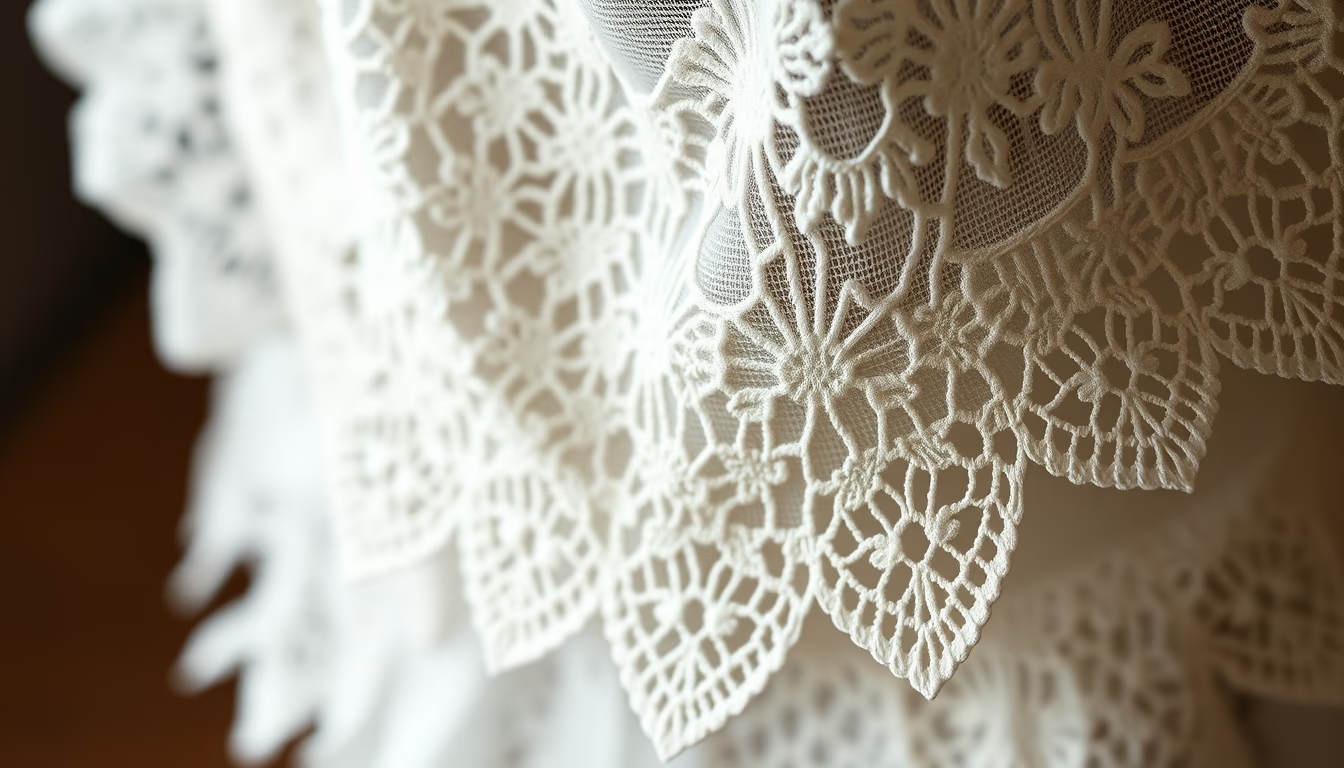
Delicate and intricate fabric, antique tatting lacework represents a centuries-old technique of lace making with a needle or shuttle, prized for its precision and beauty.
About this subject
Tatting is a lace-making technique that emerged in the 19th century, although its origins trace back to older methods of thread interlacing. Unlike bobbin lace or crochet, tatting uses a shuttle or a special needle to form knots called 'picots' and arches, creating a geometric and airy pattern. Historically, it was a popular domestic craft in Europe, especially in England and France, where middle- and upper-class women produced pieces to embellish clothing, tablecloths, and accessories.
The technique requires patience and manual dexterity, as each knot is made individually. The threads used are usually fine and durable cotton or linen. Antique tatting pieces are highly collectible, as they represent an era when handwork was valued and lace was a status symbol. In Brazil, the technique arrived with European immigrants and is still practiced by artisan groups, particularly in the South and Southeast.
A curiosity: during the Victorian era, tatting was considered a respectable feminine activity, and many women published patterns in magazines of the time. Today, tatting is less common but experiencing a revival thanks to online communities and courses. The durability of antique pieces is impressive: many survive for over 100 years, showcasing the quality of threads and finishing.
Frequently Asked Questions
What is the difference between tatting and crochet?
Tatting uses a shuttle or special needle to form knots with double thread, creating a firmer, geometric lace. Crochet uses a single hooked needle and continuous stitches, resulting in a more flexible texture.
How to identify an antique tatting piece?
Antique pieces usually have fine cotton or linen threads, very uniform knots, and no visible seams. Patterns are often floral or geometric, and the color may have yellowed over time.
Is tatting still practiced today?
Yes, though less common, there are online communities and courses. Many artisans keep the tradition alive, producing contemporary pieces and restoring antique ones.
Direct URL
https://pub-c7d6a6ea828543ac903a74a341ccb2e1.r2.dev/imagens/lacework-antique-tatting-studio-still-life-fresh6.avifHow to credit
Include a visible link back to UtilizAí. Copy one of the snippets below:
<a href="https://xn--utiliza-eza.com/en/midia/imagens/lacework-antique-tatting-studio-still-life-fresh6">Lacework antique tatting</a> by <a href="https://xn--utiliza-eza.com">UtilizAí</a>, licensed under <a href="https://creativecommons.org/licenses/by/4.0/">CC BY 4.0</a>.
[Lacework antique tatting](https://xn--utiliza-eza.com/en/midia/imagens/lacework-antique-tatting-studio-still-life-fresh6) by [UtilizAí](https://xn--utiliza-eza.com), CC BY 4.0
License: CC-BY-4.0