Lacework antique tatting
1344×768 · AVIF · CC BY 4.0
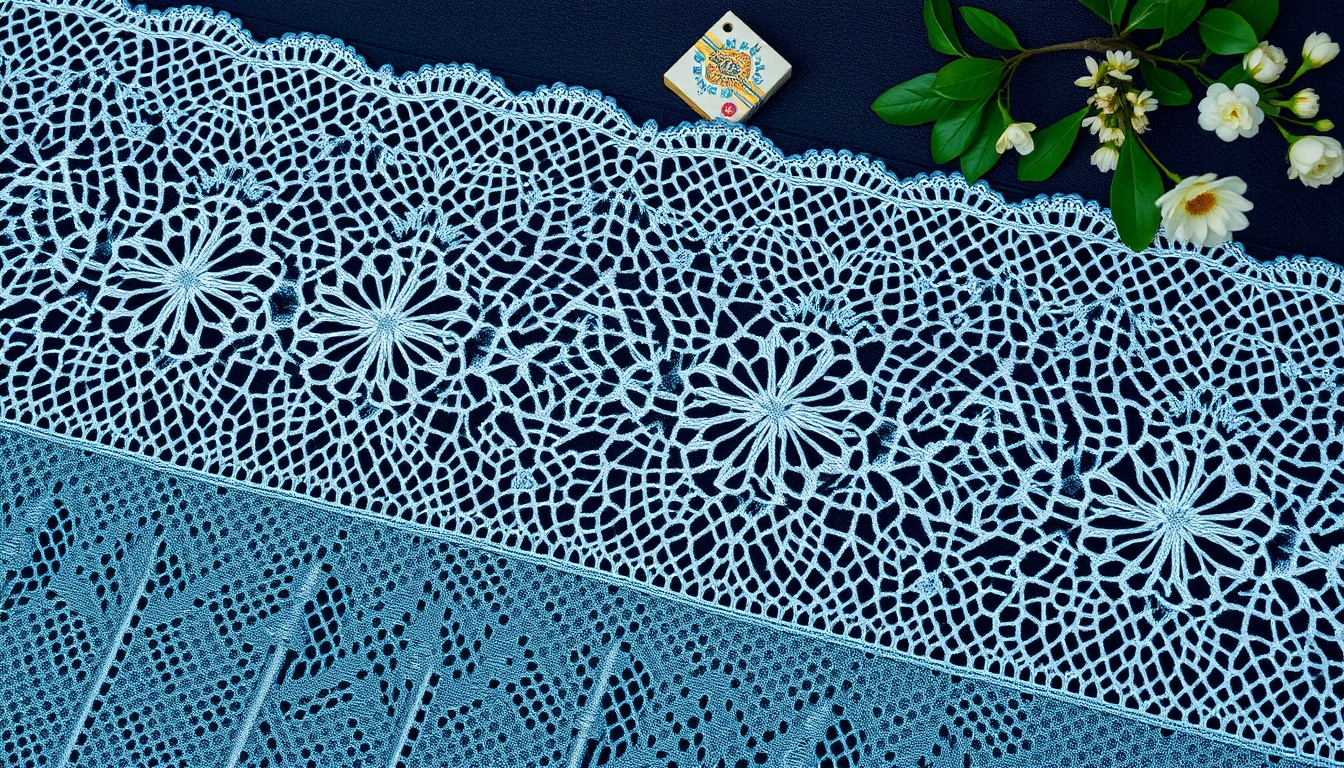
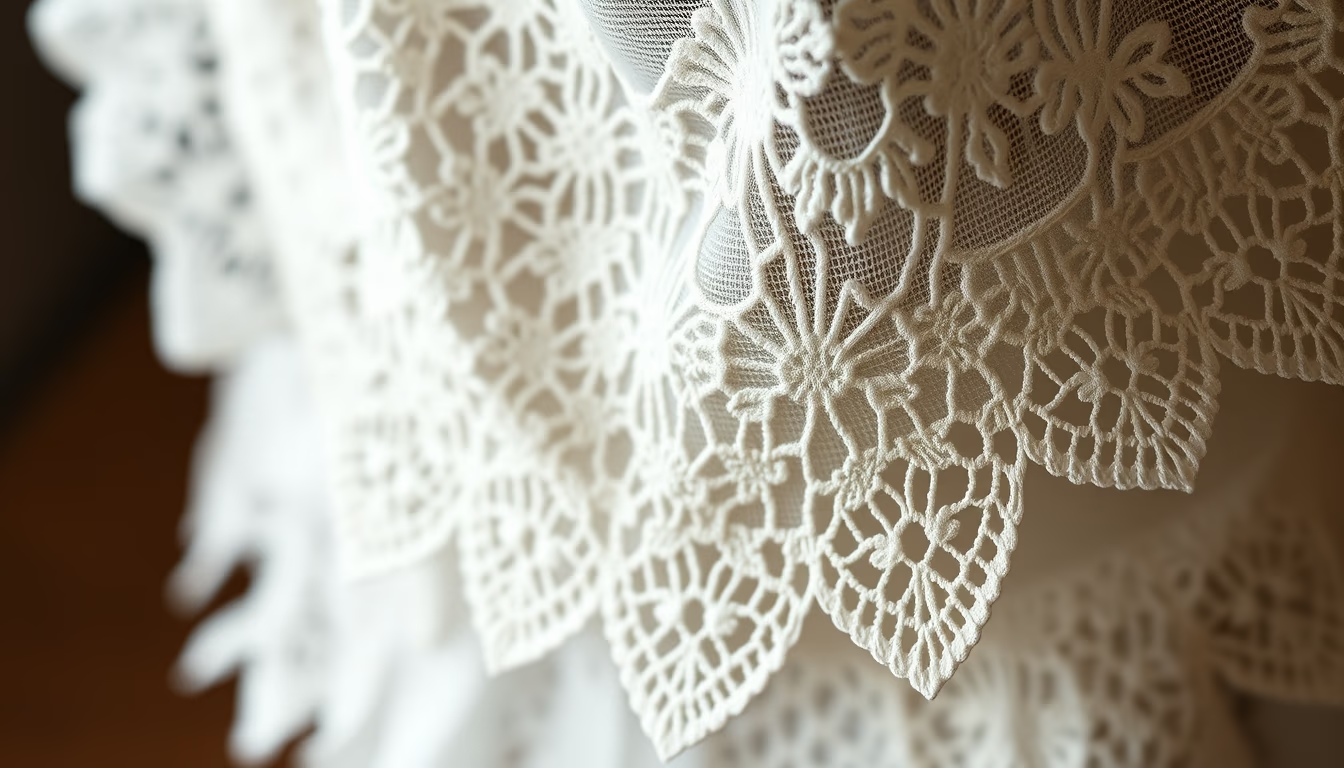
Antique lacework created with tatting, a textile art dating back to the 19th century, admired for its delicate stitches.
About this subject
Tatting is a lace-making technique that uses a small shuttle to form knots and rings of thread, creating geometric and floral patterns. Unlike bobbin lace or crochet, tatting produces a firmer, more detailed fabric, often used for collars, cuffs, tablecloths, and garment trims. The craft emerged in 19th-century Europe, possibly in France or England, and became popular as a Victorian-era pastime for women. The word “tatting” derives from the French “frivolité,” meaning frivolity, referencing its decorative purpose.
Historically, tatting was taught in embroidery schools and passed down through generations. Each piece was handmade using cotton, linen, or silk threads, often waxed to prevent fraying. Patterns ranged from simple arches to complex compositions with beads and pearls. In Brazil, the technique arrived with European immigrants and is still practiced by artisan groups, especially in the South and Southeast regions. Tatting lace is valued for its durability and lightness, considered a cultural heritage.
In modern times, tatting has seen a revival, boosted by digital platforms and online courses. New materials like metallic and synthetic threads have expanded creative possibilities. Modern enthusiasts combine tatting with other textile techniques or use it in accessories like earrings and necklaces. Despite being time-consuming, each stitch reflects the artisan's patience and skill, making tatting a timeless art that connects past and present.
Frequently Asked Questions
What is the difference between tatting and crochet?
Tatting uses a shuttle to form knots and rings with a continuous thread; crochet uses a hook to create loops. Tatting produces a firmer, knotted lace, while crochet is more flexible and varied.
Is tatting still practiced today?
Yes, tatting has experienced a revival thanks to online communities and tutorials. Modern artisans create contemporary pieces like jewelry and accessories, keeping the technique alive.
What materials are needed to start tatting?
Basic supplies include a shuttle, cotton or polyester thread, scissors, and optionally a tapestry needle for finishing. Beginner kits are widely available.
Direct URL
https://pub-c7d6a6ea828543ac903a74a341ccb2e1.r2.dev/imagens/lacework-antique-tatting-aerial-drone-shot-fresh15.avifHow to credit
Include a visible link back to UtilizAí. Copy one of the snippets below:
<a href="https://xn--utiliza-eza.com/en/midia/imagens/lacework-antique-tatting-aerial-drone-shot-fresh15">Lacework antique tatting</a> by <a href="https://xn--utiliza-eza.com">UtilizAí</a>, licensed under <a href="https://creativecommons.org/licenses/by/4.0/">CC BY 4.0</a>.
[Lacework antique tatting](https://xn--utiliza-eza.com/en/midia/imagens/lacework-antique-tatting-aerial-drone-shot-fresh15) by [UtilizAí](https://xn--utiliza-eza.com), CC BY 4.0
License: CC-BY-4.0