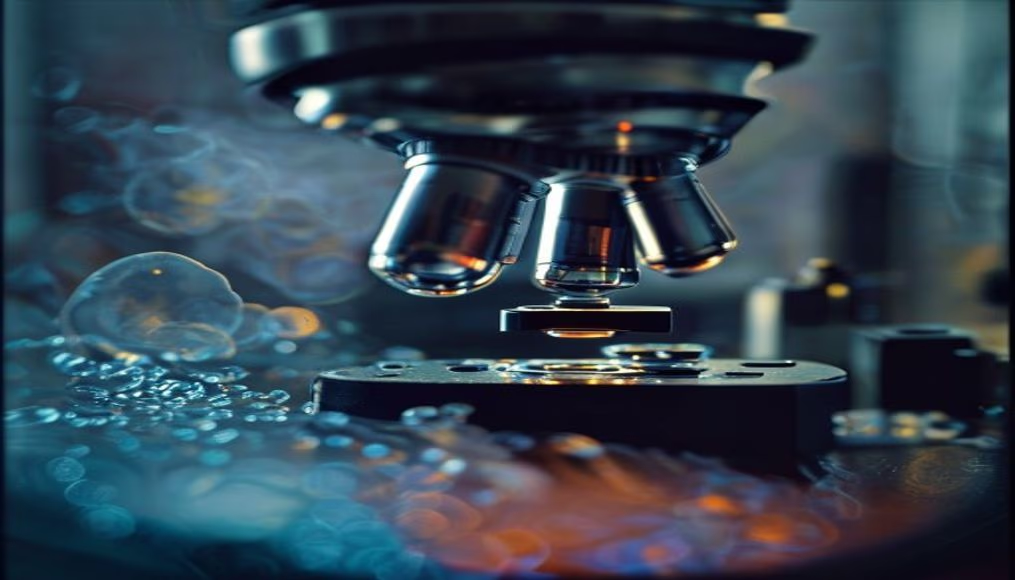
Lab technician looking through microscope
1344×768 · AVIF · CC BY 4.0
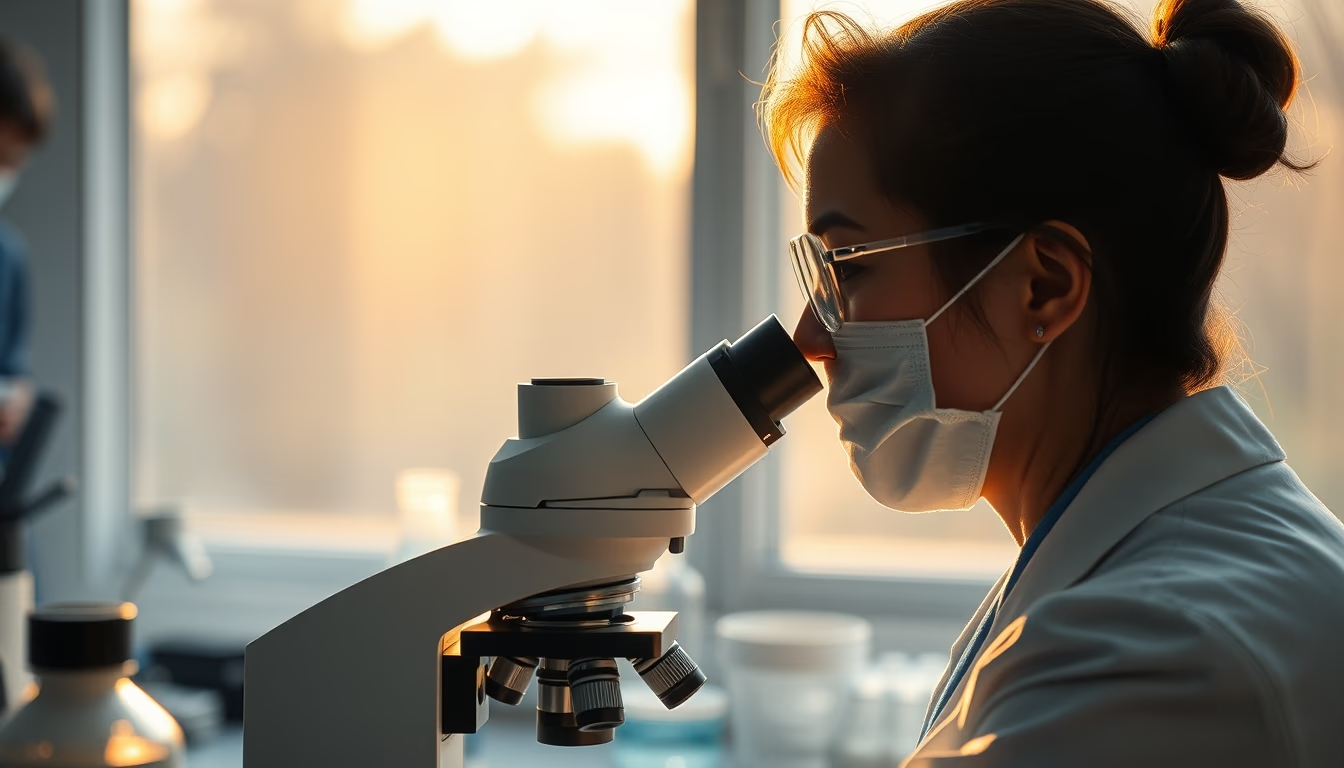
Lab technician examines samples through a microscope during late afternoon at a clinical analysis laboratory.
About this subject
In clinical analysis laboratories, the optical microscope is an essential tool for disease diagnosis. The lab technician, a professional with technical or higher education in fields such as Biomedicine or Pharmacy, uses the equipment to identify abnormal cells, parasites, bacteria, and other microorganisms in blood, urine, stool, and secretion samples. In Brazil, the routine of these professionals is regulated by the Federal Council of Pharmacy and Regional Councils, which establish the necessary technical competencies.
Microscopic analysis is a critical step in the complete blood count, the most requested test in the country. The technician evaluates the morphology of red blood cells, leukocytes, and platelets, potentially detecting anemias, infections, and leukemias. In the late afternoon, laboratories often process samples from patients who underwent collection in the morning, requiring extra attention to avoid identification errors or contamination.
The microscope used in clinical labs typically has objectives of 10x, 40x, and 100x (with oil immersion), allowing magnifications up to 1000 times. Brightfield illumination is most common, but techniques like phase contrast and fluorescence are employed for specific samples. Preventive maintenance of the equipment is crucial to ensure result quality.
Interestingly, the first compound microscope was created by Zacharias Janssen in 1590, but it was Antonie van Leeuwenhoek who first observed microorganisms in the 17th century. Today, microscopy is indispensable in medicine, biology, and forensic sciences. In Brazil, there are an estimated over 50,000 clinical analysis laboratories, many operating 24 hours to handle emergencies.
Frequently Asked Questions
What training is required to become a lab technician?
In Brazil, a lab technician may have technical training in Clinical Analysis (high school level) or a higher degree in Biomedicine, Pharmacy, Biological Sciences, or related fields. Registration with the respective professional council is mandatory.
What can a lab technician detect under the microscope?
They can identify abnormal blood cells (indicating anemias, leukemias), parasites in stool, bacteria in urine, fungi in secretions, and evaluate cell morphology for diagnoses of infections and inflammatory diseases.
How is microscope maintenance performed in the lab?
Maintenance includes daily lens cleaning with specific solutions, periodic calibration, checking the light source, and lubricating mechanical parts. Technicians follow manufacturer protocols and ANVISA standards.
Direct URL
https://pub-c7d6a6ea828543ac903a74a341ccb2e1.r2.dev/imagens/lab-technician-looking-through-microscope-wide-late-afternoon-5.avifHow to credit
Include a visible link back to UtilizAí. Copy one of the snippets below:
<a href="https://xn--utiliza-eza.com/en/midia/imagens/lab-technician-looking-through-microscope-wide-late-afternoon-5">Lab technician looking through microscope</a> by <a href="https://xn--utiliza-eza.com">UtilizAí</a>, licensed under <a href="https://creativecommons.org/licenses/by/4.0/">CC BY 4.0</a>.
[Lab technician looking through microscope](https://xn--utiliza-eza.com/en/midia/imagens/lab-technician-looking-through-microscope-wide-late-afternoon-5) by [UtilizAí](https://xn--utiliza-eza.com), CC BY 4.0
License: CC-BY-4.0