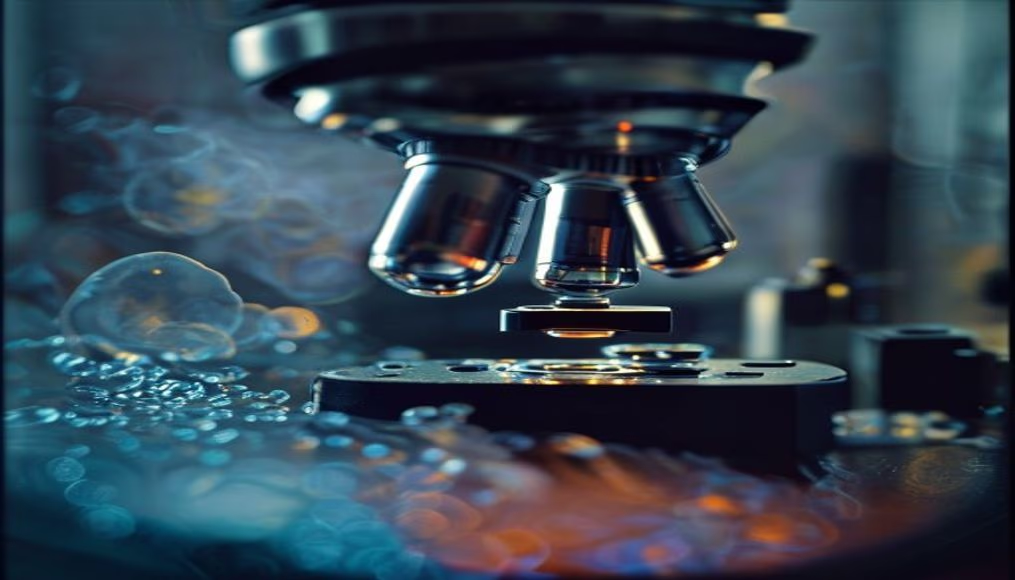
Lab technician looking through microscope
1344×768 · AVIF · CC BY 4.0
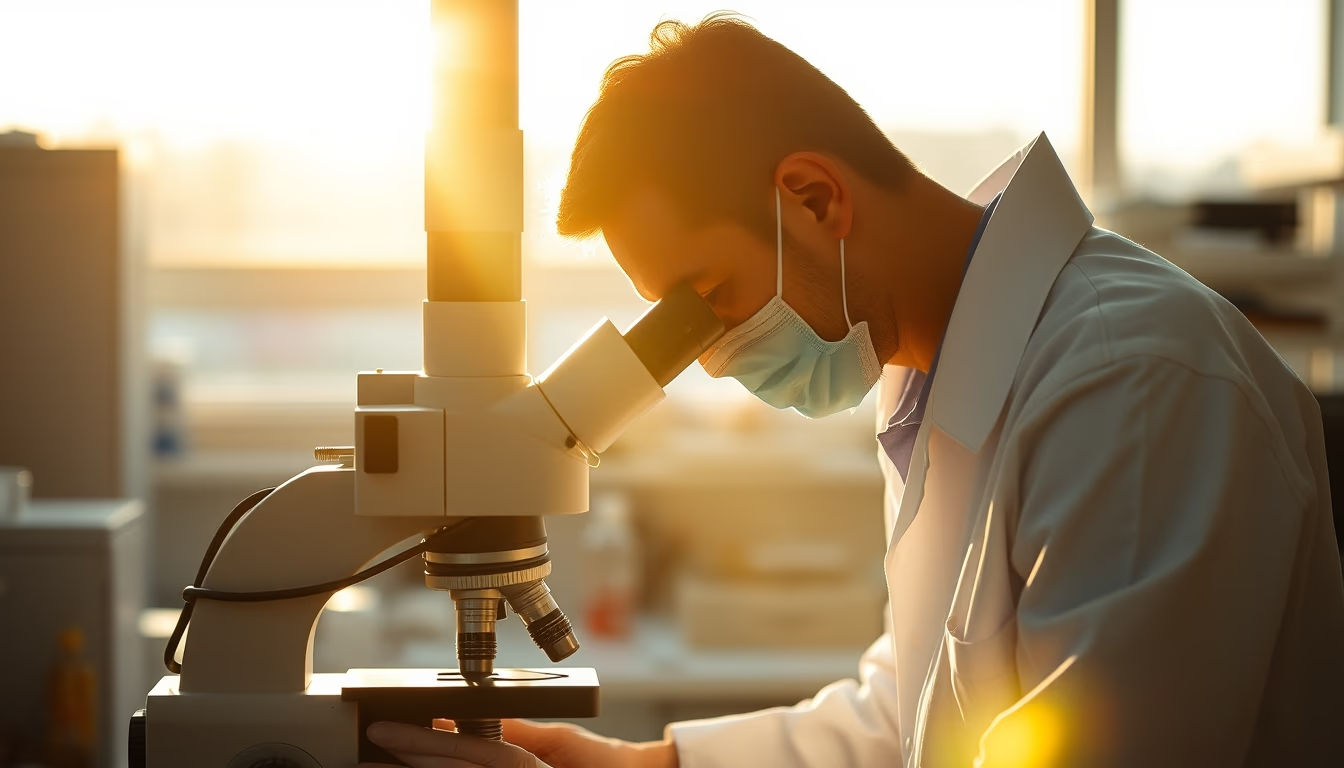
Lab technician examines samples under a microscope in the late afternoon, a routine essential for diagnostics and biomedical research.
About this subject
The work of a lab technician involves the meticulous analysis of biological samples, such as blood, tissues, and secretions, using optical or electron microscopes. This activity is essential in hospitals, clinics, and research centers to identify pathogens, evaluate abnormal cells, or confirm diagnoses. In Brazil, the training of these professionals is regulated by the Federal Council of Biomedicine and requires a college degree in Biomedicine or related fields, plus registration with the regional council.
Laboratory routine includes slide preparation, equipment calibration, and result recording. The late afternoon is a common time for analyzing samples collected in the morning, ensuring quick turnaround for reports. Technicians often work shifts, as many labs operate 24 hours, especially in hospital emergencies.
The microscope, invented in the 17th century, revolutionized medicine by allowing the visualization of microorganisms. Today, modern models with digital cameras and analysis software aid in image documentation and sharing. The demand for skilled technicians grows with advances in fields like genomics and molecular biology.
Trivia: Brazil has one of the largest public diagnostic laboratory programs in the world, the Unified Health System (SUS), which performs millions of tests annually. Lab technicians are key players in this system, contributing to population health.
Frequently Asked Questions
What training is required to become a lab technician in Brazil?
A college degree in Biomedicine or related fields, such as Pharmacy or Biology, is required, along with registration with the Regional Council of Biomedicine or Pharmacy.
What types of samples are analyzed under a microscope?
Common samples include blood, urine, feces, respiratory secretions, tissue fragments, and body fluids such as cerebrospinal fluid.
Why is the late afternoon important in lab routine?
The afternoon period is crucial for processing samples collected in the morning, ensuring results are released the same day, speeding up diagnoses and treatments.
Direct URL
https://pub-c7d6a6ea828543ac903a74a341ccb2e1.r2.dev/imagens/lab-technician-looking-through-microscope-wide-late-afternoon-2.avifHow to credit
Include a visible link back to UtilizAí. Copy one of the snippets below:
<a href="https://xn--utiliza-eza.com/en/midia/imagens/lab-technician-looking-through-microscope-wide-late-afternoon-2">Lab technician looking through microscope</a> by <a href="https://xn--utiliza-eza.com">UtilizAí</a>, licensed under <a href="https://creativecommons.org/licenses/by/4.0/">CC BY 4.0</a>.
[Lab technician looking through microscope](https://xn--utiliza-eza.com/en/midia/imagens/lab-technician-looking-through-microscope-wide-late-afternoon-2) by [UtilizAí](https://xn--utiliza-eza.com), CC BY 4.0
License: CC-BY-4.0