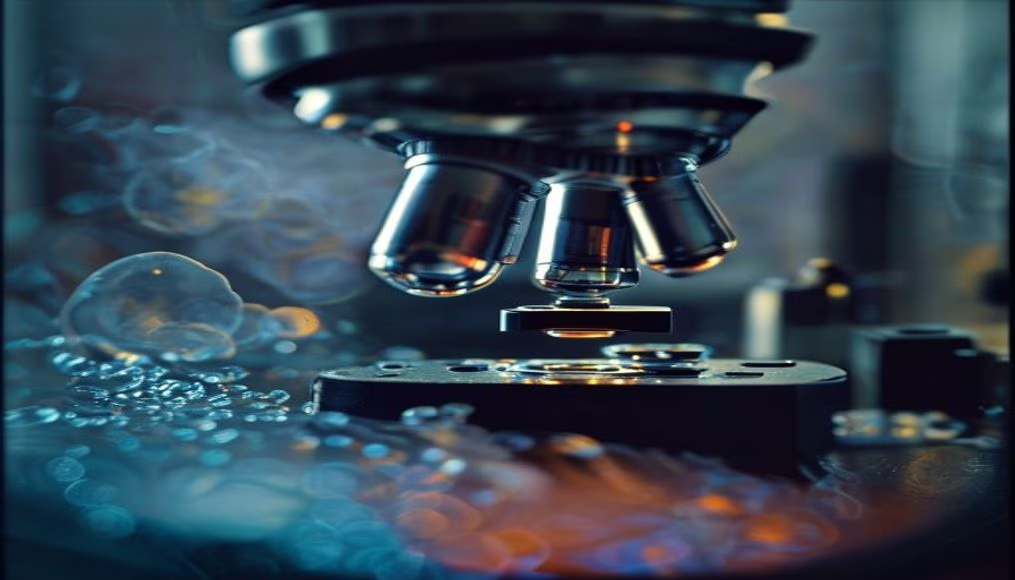
Lab technician looking through microscope
1344×768 · AVIF · CC BY 4.0
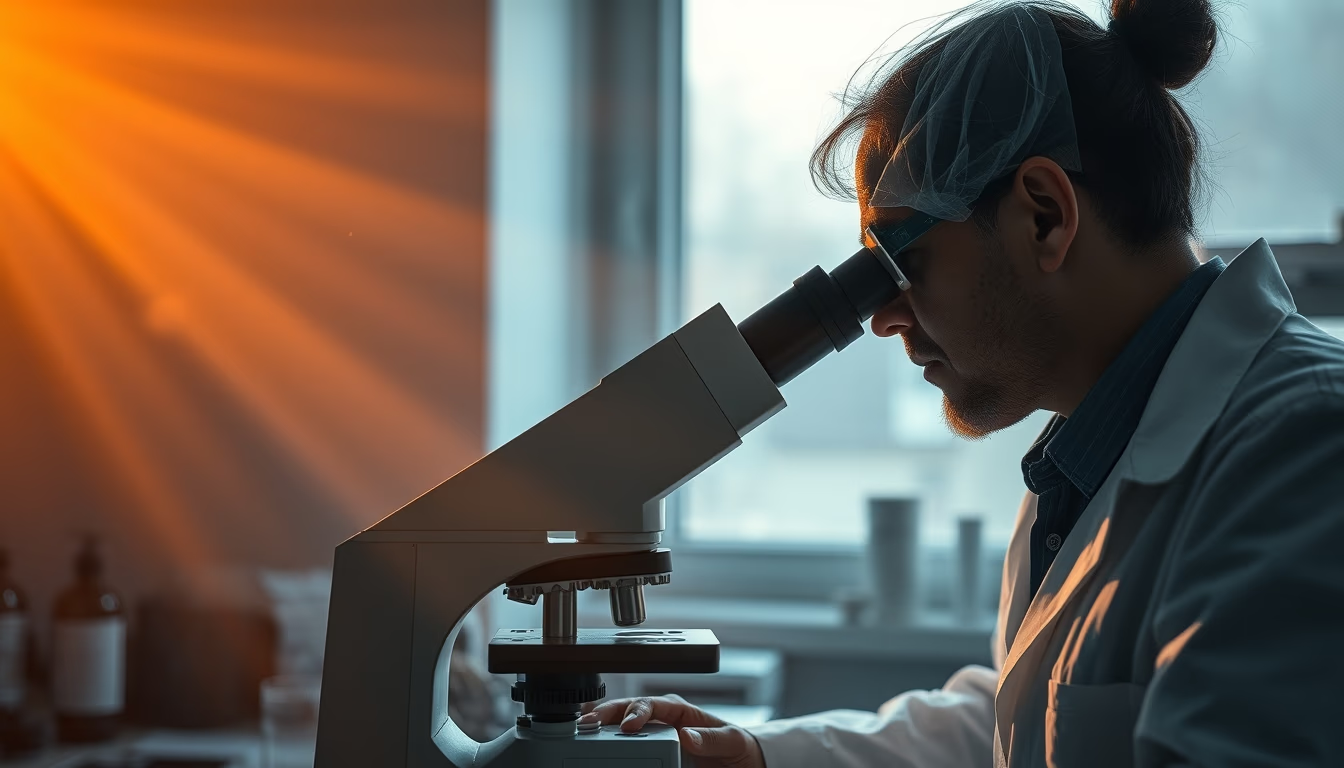
Lab technician examines samples under a microscope during routine public health research in Brazil.
About this subject
In public health and biomedical research laboratories in Brazil, the optical microscope is an indispensable tool for diagnostics and scientific studies. Lab technicians, like the one depicted, perform analyses of histological slides, blood samples, or microbial cultures, contributing to the detection of diseases such as malaria, tuberculosis, and leishmaniasis. The work of these professionals is crucial for epidemiological surveillance, especially in tropical regions where infectious diseases are endemic.
The routine of a lab technician includes sample preparation, equipment calibration, and documentation of results. The microscope used typically has objectives of different magnifications (10x, 40x, 100x), allowing visualization of cellular structures and microorganisms. In Brazil, technical training is offered by institutions such as the Federal Institute of Education, Science and Technology, and practice is regulated by the Federal Council of Biomedicine or the Regional Council of Laboratory Technicians.
Public health research in Brazil has advanced significantly, with investments in biosafety laboratories and personnel training. Microscopic analysis is often combined with molecular techniques, such as PCR, to confirm diagnoses. During outbreaks, such as dengue or COVID-19, the demand for lab technicians increases, highlighting the importance of these professionals for the healthcare system.
Frequently Asked Questions
What training is required to become a lab technician in Brazil?
Typically, a technical course in clinical analysis, biotechnology, or related fields is required, lasting about two years, offered by institutions such as Federal Institutes.
What types of samples are analyzed with a microscope in public health laboratories?
Common samples include blood, urine, stool, tissues, and microbial cultures, enabling diagnosis of parasitic, bacterial, and viral diseases.
How does microscopy contribute to disease control in Brazil?
Microscopy allows rapid identification of pathogens in clinical samples, aiding epidemiological surveillance and guiding treatment decisions.
Direct URL
https://pub-c7d6a6ea828543ac903a74a341ccb2e1.r2.dev/imagens/lab-technician-looking-through-microscope-editorial-overcast-daytime-6.avifHow to credit
Include a visible link back to UtilizAí. Copy one of the snippets below:
<a href="https://xn--utiliza-eza.com/en/midia/imagens/lab-technician-looking-through-microscope-editorial-overcast-daytime-6">Lab technician looking through microscope</a> by <a href="https://xn--utiliza-eza.com">UtilizAí</a>, licensed under <a href="https://creativecommons.org/licenses/by/4.0/">CC BY 4.0</a>.
[Lab technician looking through microscope](https://xn--utiliza-eza.com/en/midia/imagens/lab-technician-looking-through-microscope-editorial-overcast-daytime-6) by [UtilizAí](https://xn--utiliza-eza.com), CC BY 4.0
License: CC-BY-4.0