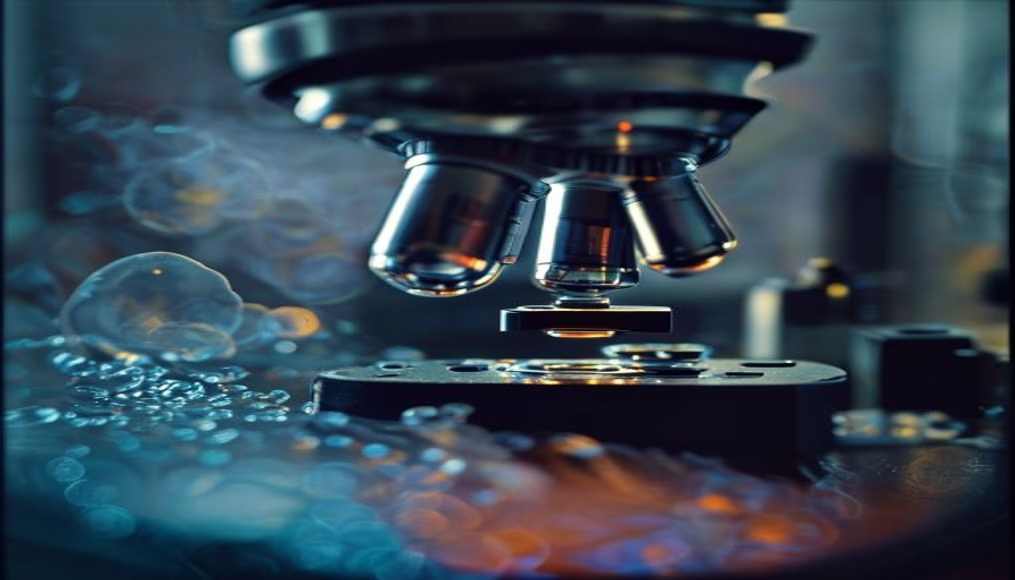
Lab technician looking through microscope
1344×768 · AVIF · CC BY 4.0
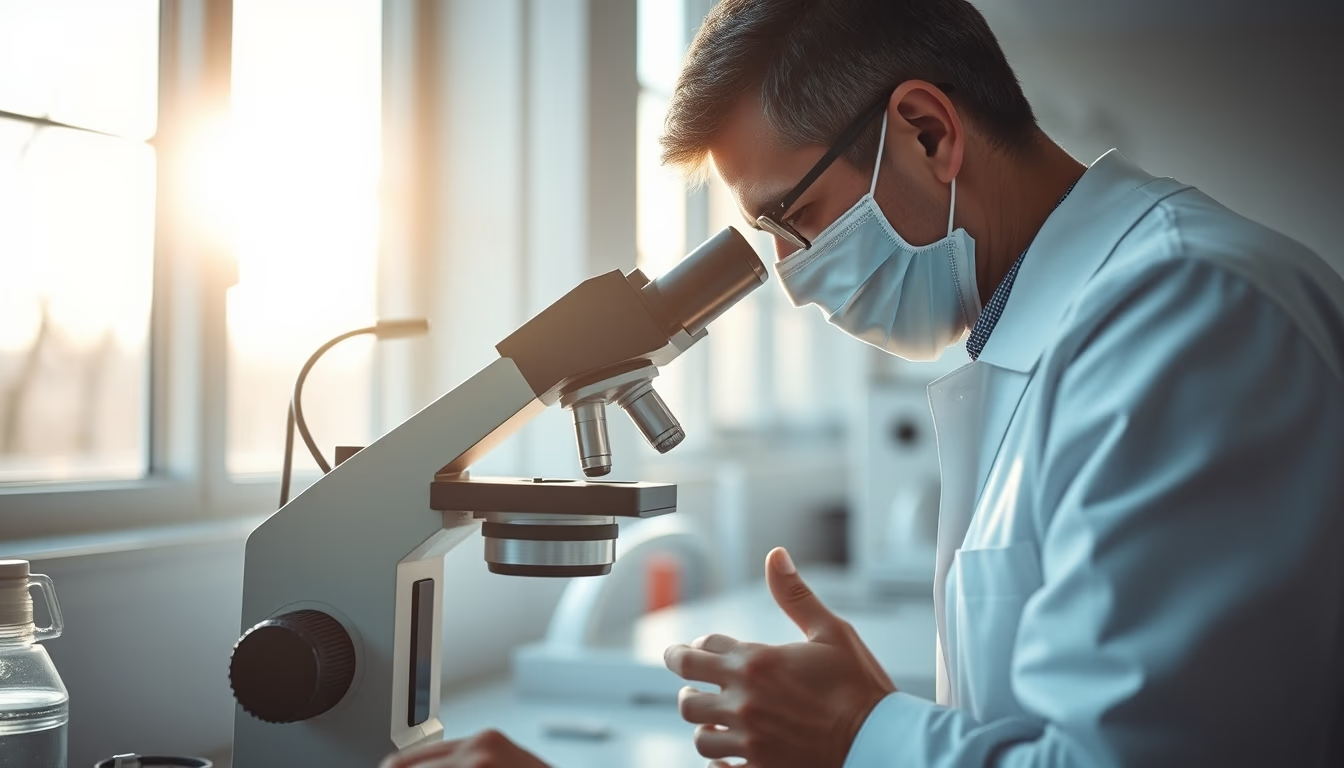
Lab technician examines samples under a microscope during morning routine at a Brazilian research center.
About this subject
The microscope is an essential tool in clinical analysis and biomedical research laboratories. In Brazil, the Unified Health System (SUS) performs millions of laboratory tests annually, many of which rely on microscopic observation to diagnose diseases such as malaria, tuberculosis, and leishmaniasis. Lab technicians, who hold technical or higher education degrees, operate equipment like optical, electron, and fluorescence microscopes, following rigorous biosafety protocols.
In a morning laboratory scenario, the routine includes equipment calibration, slide preparation, and identification of microorganisms or cellular changes. Optical microscopy, which uses visible light and glass lenses, is the most common modality in clinical labs. Electron microscopy, with magnifications up to 2 million times, is used in advanced research, such as studying viruses and nanoparticles.
In Brazil, the training of lab technicians is regulated by the Federal Council of Pharmacy and Regional Councils, and the field has grown with investments in health infrastructure. The COVID-19 pandemic highlighted the importance of these professionals, who performed millions of RT-PCR and serological tests. The morning routine, as depicted in the image, is a critical moment to ensure result accuracy, directly impacting patient treatment.
Interestingly, the microscope was invented in the 17th century by Antonie van Leeuwenhoek, who first observed bacteria and protozoa. Today, technology has advanced to confocal and atomic force microscopes, but the basic principle remains: magnifying the invisible to understand life.
Frequently Asked Questions
What training is required to become a lab technician in Brazil?
A technical course in clinical analysis or a higher education degree in biomedicine, pharmacy, or related fields is required, along with registration with the relevant professional council.
What types of microscopes are used in clinical laboratories?
The most common are optical light microscopes, including brightfield, phase contrast, and fluorescence. For diagnosing infectious diseases, immersion microscopes are frequently used.
How many laboratory tests does the SUS perform per year?
The SUS performs approximately 2 billion laboratory tests per year, including clinical, imaging, and pathology analyses.
Direct URL
https://pub-c7d6a6ea828543ac903a74a341ccb2e1.r2.dev/imagens/lab-technician-looking-through-microscope-documentary-morning-3.avifHow to credit
Include a visible link back to UtilizAí. Copy one of the snippets below:
<a href="https://xn--utiliza-eza.com/en/midia/imagens/lab-technician-looking-through-microscope-documentary-morning-3">Lab technician looking through microscope</a> by <a href="https://xn--utiliza-eza.com">UtilizAí</a>, licensed under <a href="https://creativecommons.org/licenses/by/4.0/">CC BY 4.0</a>.
[Lab technician looking through microscope](https://xn--utiliza-eza.com/en/midia/imagens/lab-technician-looking-through-microscope-documentary-morning-3) by [UtilizAí](https://xn--utiliza-eza.com), CC BY 4.0
License: CC-BY-4.0