Kiln pottery firing
1344×768 · AVIF · CC BY 4.0
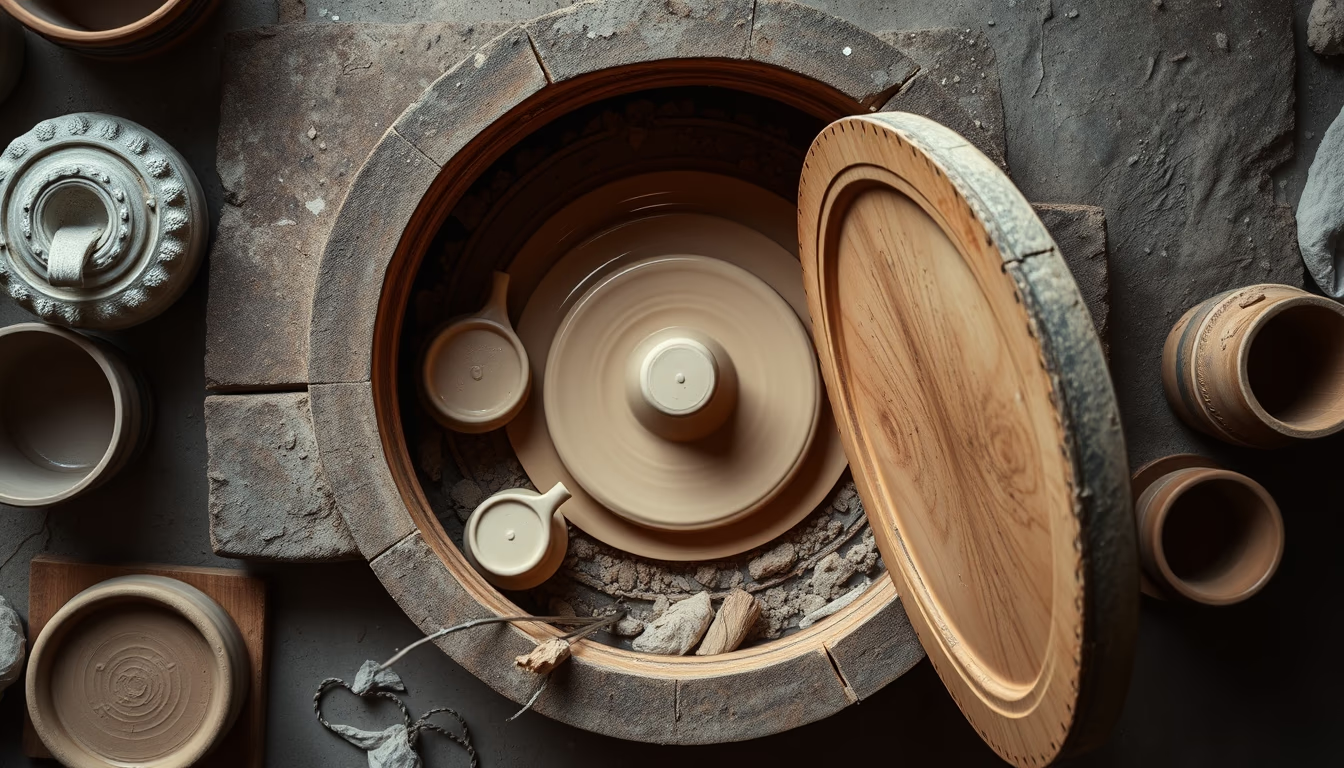
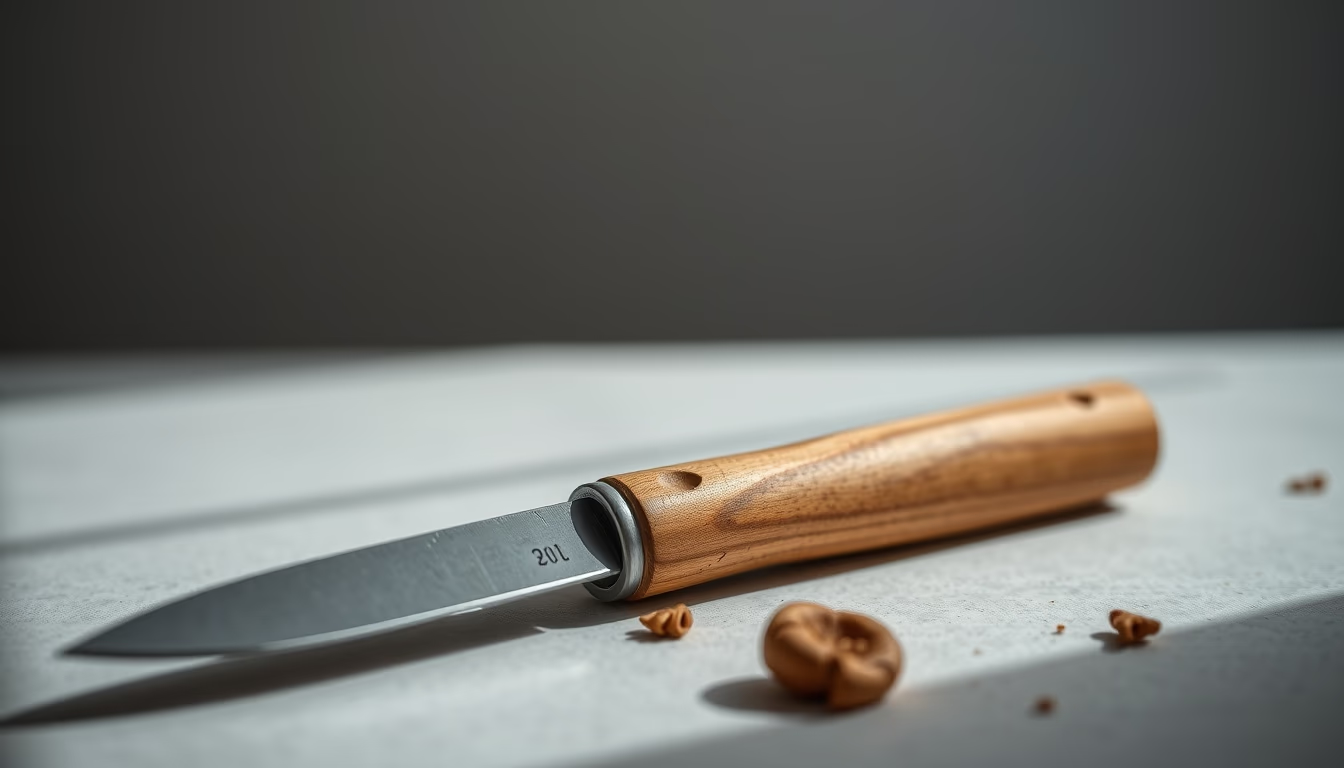
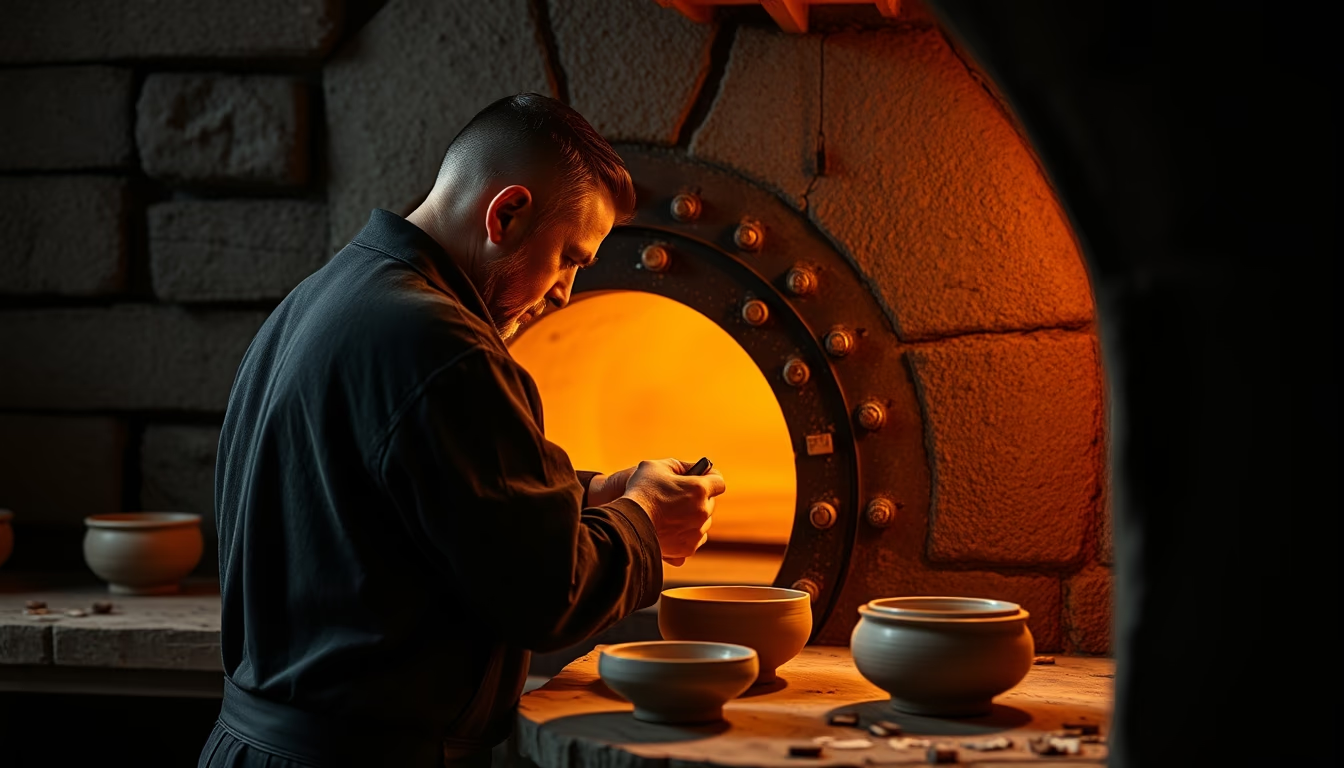
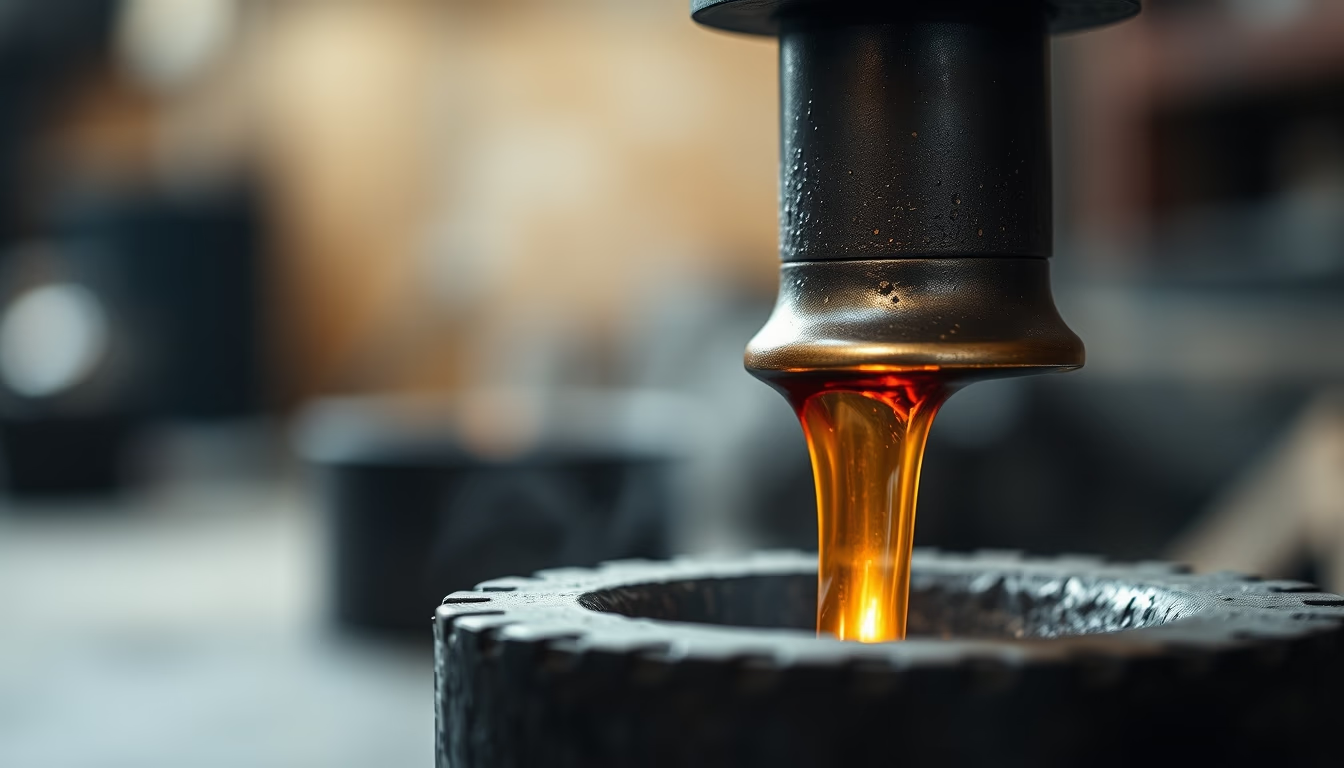
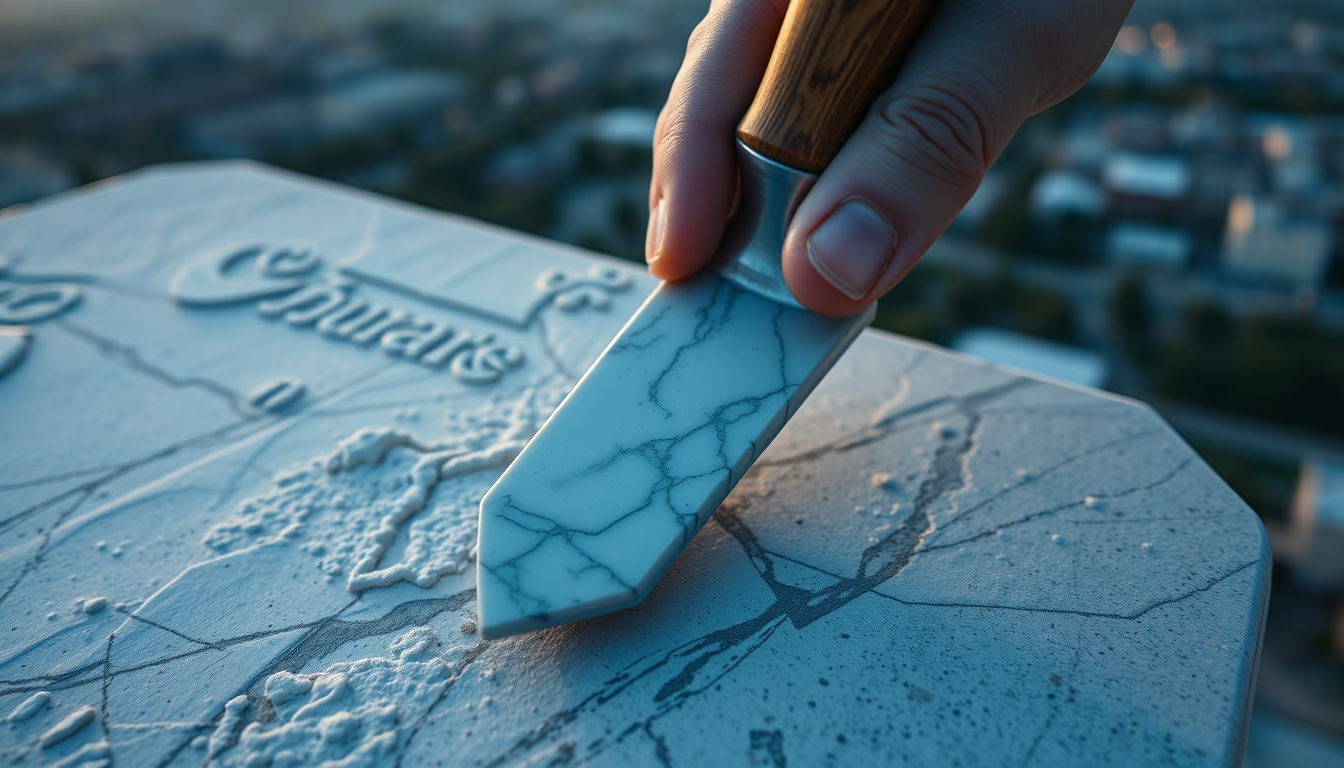
Kiln pottery firing is an essential step that transforms clay into durable pieces, combining ancient technique and materials science.
About this subject
Kiln pottery firing is the process that transforms shaped clay into rigid, durable objects. During controlled heating, clay undergoes physical and chemical changes: water evaporates, minerals fuse, and a glassy structure forms, resulting in strong pieces. Different kiln types exist, such as electric, gas, and wood-fired, each with specific temperature and atmosphere characteristics. Firing typically occurs in two main stages: bisque firing (first firing, around 900-1000°C) and glaze firing (second firing, between 1000-1300°C), where glazes vitrify on the surface.
Historically, pottery firing dates back thousands of years, with early techniques using open bonfires. Ancient civilizations like the Chinese and Mesoamericans developed more efficient kilns, enabling higher temperatures and finer pieces. In Brazil, indigenous and African heritage influenced utilitarian and artistic ceramics, with techniques such as firing in clay kilns.
Kiln temperature and atmosphere (oxidizing or reducing) affect the final color and texture. For instance, a reducing atmosphere produces dark tones and metallic effects, while an oxidizing one yields lighter colors. Vitrified ceramics, like porcelain, require temperatures above 1200°C, while low-temperature ceramics, such as terracotta, fire between 800-1000°C.
Today, kiln firing is essential not only for artistic ceramics but also for industrial production of bricks, tiles, sanitary ware, and electronic components. Precise temperature and time control ensure product quality and safety, making it a key subject in materials engineering.
Frequently Asked Questions
What is the difference between bisque firing and glaze firing?
Bisque firing is the first firing of raw clay, making it porous and ready for glazes. Glaze firing is the second stage, where the glaze melts and forms a vitreous, impermeable layer. Glaze firing temperatures are generally higher.
How long does a pottery firing take in an electric kiln?
The full cycle can last 8 to 24 hours, depending on clay type, piece thickness, and target temperature. It includes gradual heating, a holding period, and slow cooling to prevent cracking.
What are the main types of kilns for pottery?
The most common are: electric kiln (easy control, oxidizing atmosphere), gas kiln (allows reducing atmosphere, efficient), and wood-fired kiln (traditional, used for rustic ceramics and anagama). Each influences the aesthetic outcome of the pieces.
Direct URL
https://pub-c7d6a6ea828543ac903a74a341ccb2e1.r2.dev/imagens/kiln-pottery-firing-isometric-flat-lay-fresh8.avifHow to credit
Include a visible link back to UtilizAí. Copy one of the snippets below:
<a href="https://xn--utiliza-eza.com/en/midia/imagens/kiln-pottery-firing-isometric-flat-lay-fresh8">Kiln pottery firing</a> by <a href="https://xn--utiliza-eza.com">UtilizAí</a>, licensed under <a href="https://creativecommons.org/licenses/by/4.0/">CC BY 4.0</a>.
[Kiln pottery firing](https://xn--utiliza-eza.com/en/midia/imagens/kiln-pottery-firing-isometric-flat-lay-fresh8) by [UtilizAí](https://xn--utiliza-eza.com), CC BY 4.0
License: CC-BY-4.0