Kiln pottery firing
1344×768 · AVIF · CC BY 4.0
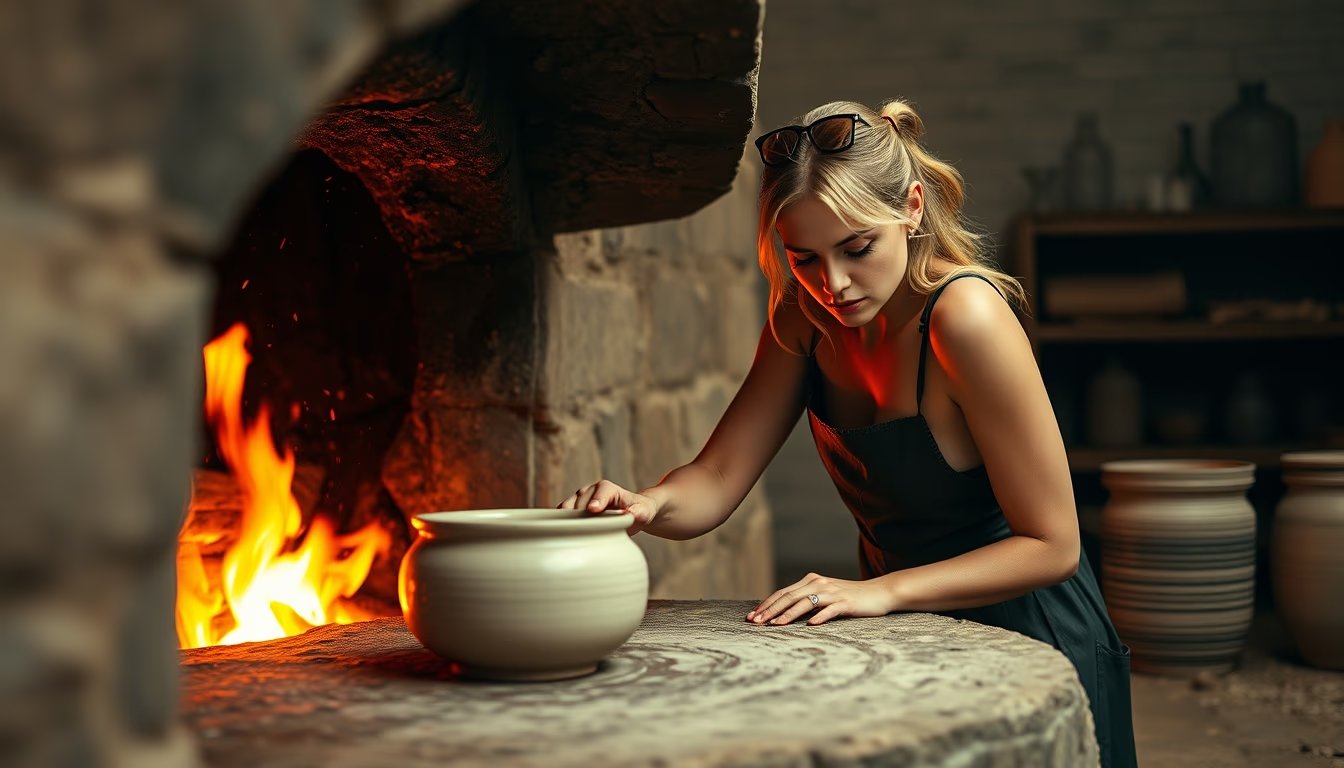
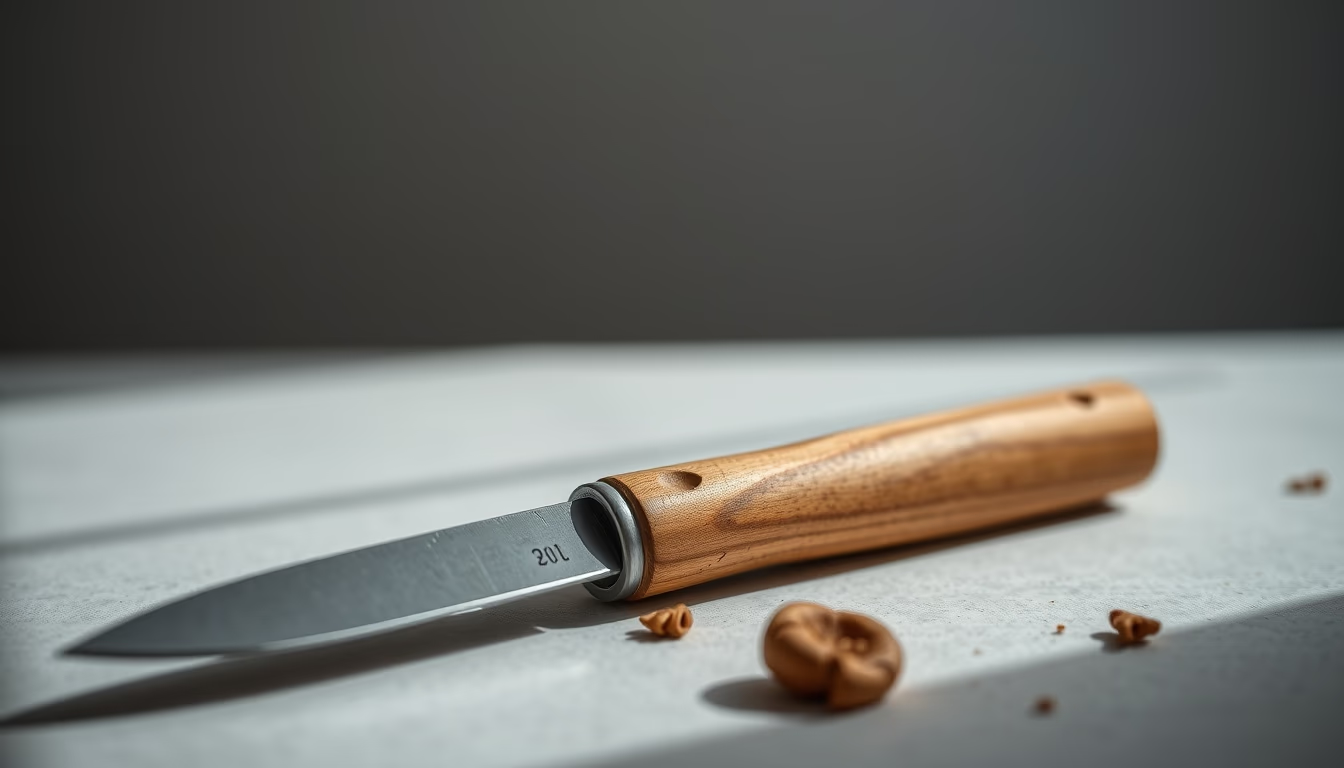
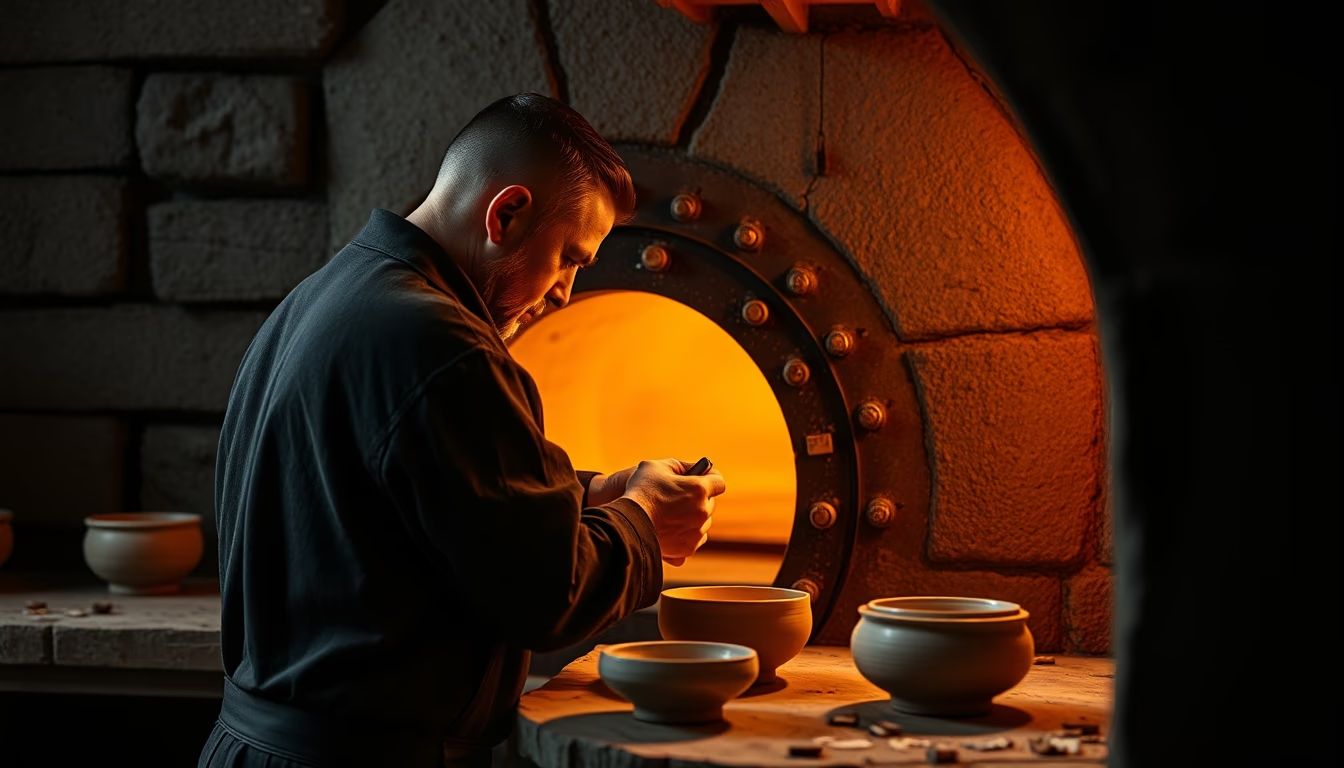
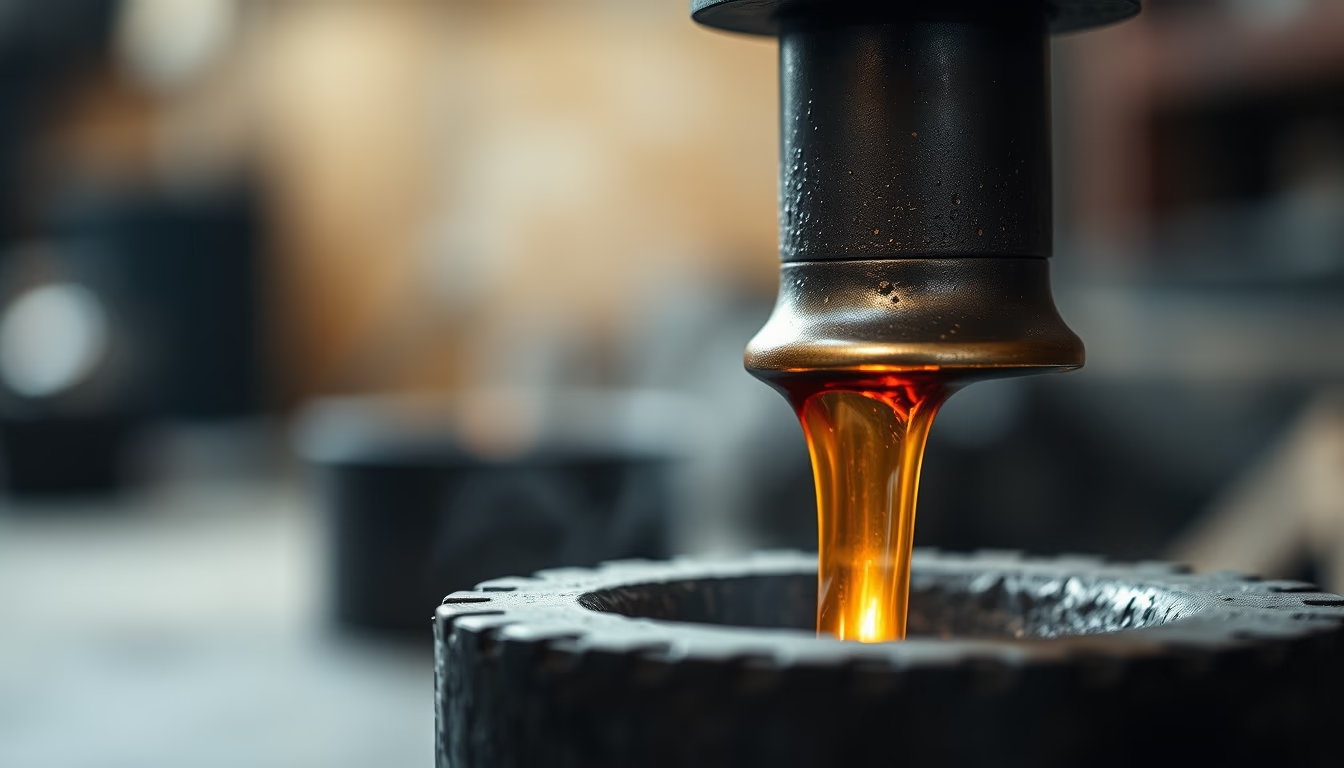
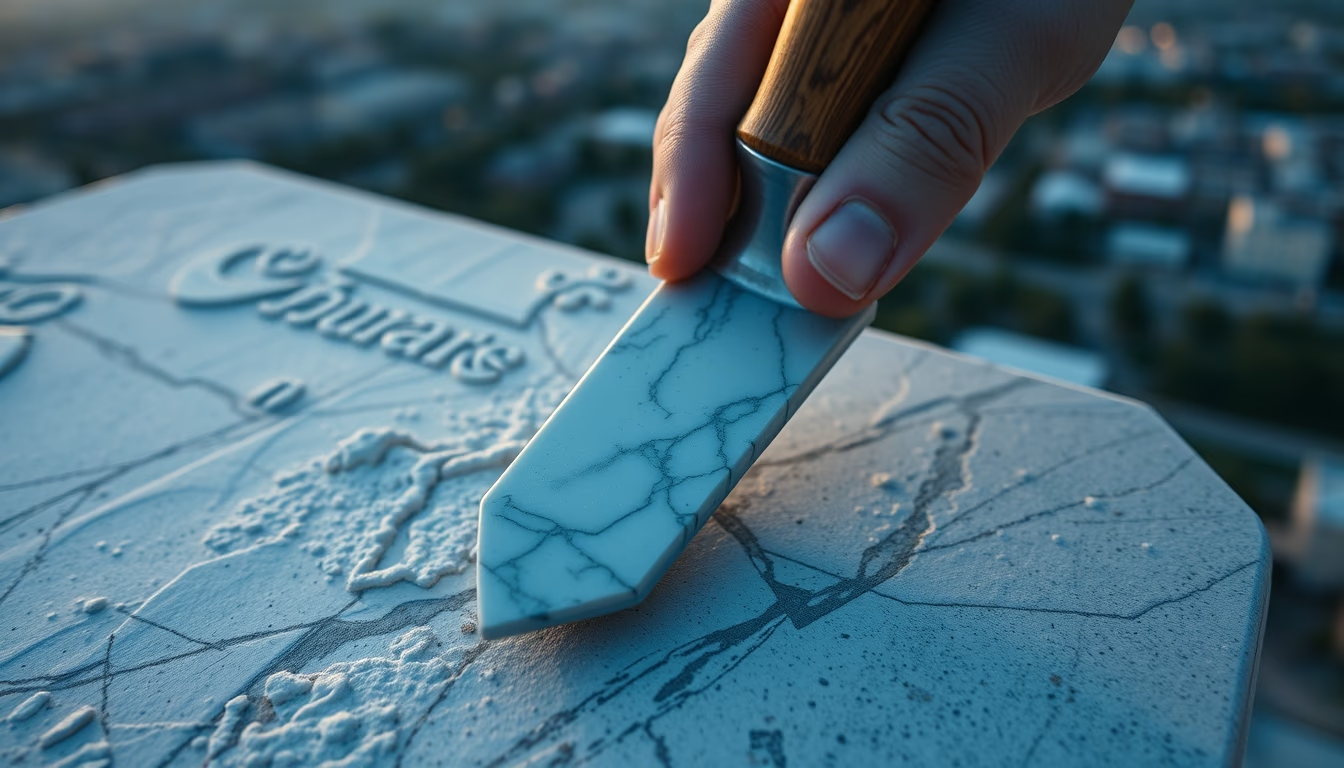
Kiln firing is the crucial stage that transforms clay into durable ceramic, blending ancient art and science.
About this subject
Kiln firing, also known as firing, is the process that transforms soft clay into hard, durable ceramic through controlled heating. During firing, clay undergoes irreversible physical and chemical changes: water evaporates, minerals melt, and a vitreous structure forms, giving strength and impermeability. Temperatures range from 600°C for low-fire earthenware to over 1300°C for porcelain. Two main firings exist: biscuit firing (first firing, unglazed) and glaze firing (second firing, with a glassy layer). Precise control of temperature, time, and atmosphere (oxidizing or reducing) determines final properties like color, texture, and strength.
The history of kiln firing dates back at least 25,000 years, with early kilns found in Europe and Asia. Ancient civilizations, such as the Chinese, developed high-temperature kilns to produce porcelain as early as the Tang Dynasty (618, 907 AD). Traditional Japanese wood-fired kilns, like the noborigama, are engineering marvels that use natural slope to control heat flow. In Brazil, ceramic production for both utilitarian and artistic purposes uses everything from rudimentary wood-fired kilns in rural areas to modern electric kilns in urban studios.
Technically, firing involves complex reactions. At 100°C, plasticity water evaporates; between 450°C and 600°C, dehydroxylation of clay minerals occurs (loss of structural water). Above 800°C, metal oxides begin to melt, and around 1000°C, crystalline phases like mullite form, enhancing mechanical strength. For glazed ceramics, glaze fusion happens between 900°C and 1300°C, creating a vitreous layer that can be transparent or colored. Kiln atmosphere also matters: oxidizing firing (with oxygen) tends to lighten clay, while reducing firing (low oxygen) can darken it and produce metallic effects, as seen in Japanese tenmoku wares.
Modern programmable electric kilns allow precise control of heating and cooling ramps, reducing losses from thermal shock. Contemporary artists explore ancient techniques like raku (post-firing thermal shock) and firing with paper or metal salts for unique effects. Kiln firing remains a meeting point of tradition and innovation, essential for creating objects that blend functionality and artistic expression.
Frequently Asked Questions
What is the difference between oxidizing and reducing firing?
In oxidizing firing, the kiln has excess oxygen, resulting in brighter, lighter colors. In reducing firing, oxygen is limited, causing chemical reactions that darken the clay and create metallic or earthy tones, as seen in famous tenmoku wares.
How long does a ceramic firing take?
It depends on the kiln type and target temperature. Small electric kilns can complete a biscuit firing in 8 to 12 hours; wood-fired kilns can take 24 to 72 hours or more, including slow cooling to prevent cracks.
What is raku firing?
Raku is a Japanese quick-firing technique where the piece is removed from the kiln while red-hot and placed in a container with combustible material (sawdust, paper). The thermal shock and reducing atmosphere create unique textures and colors, with crackled glazes.
Direct URL
https://pub-c7d6a6ea828543ac903a74a341ccb2e1.r2.dev/imagens/kiln-pottery-firing-high-fashion-editorial-fresh2.avifHow to credit
Include a visible link back to UtilizAí. Copy one of the snippets below:
<a href="https://xn--utiliza-eza.com/en/midia/imagens/kiln-pottery-firing-high-fashion-editorial-fresh2">Kiln pottery firing</a> by <a href="https://xn--utiliza-eza.com">UtilizAí</a>, licensed under <a href="https://creativecommons.org/licenses/by/4.0/">CC BY 4.0</a>.
[Kiln pottery firing](https://xn--utiliza-eza.com/en/midia/imagens/kiln-pottery-firing-high-fashion-editorial-fresh2) by [UtilizAí](https://xn--utiliza-eza.com), CC BY 4.0
License: CC-BY-4.0