Kiln pottery firing
1344×768 · AVIF · CC BY 4.0
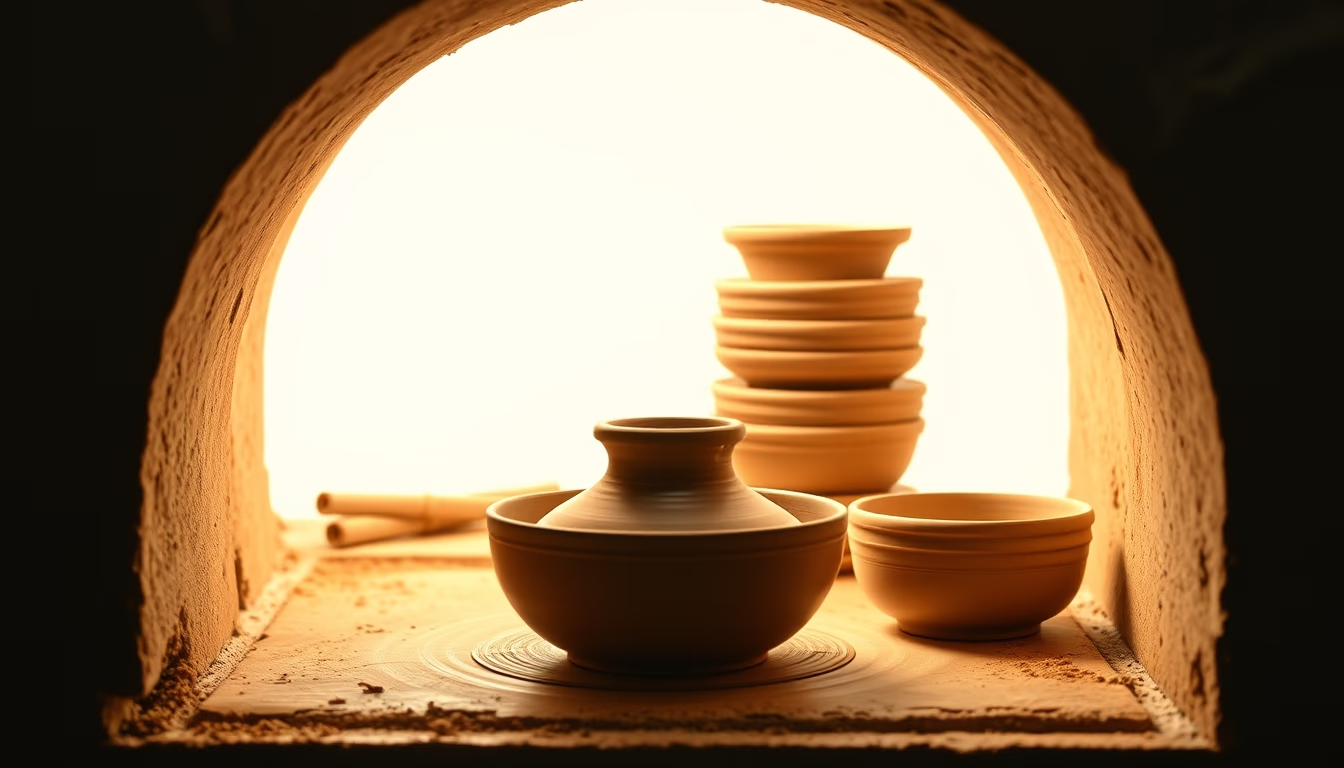
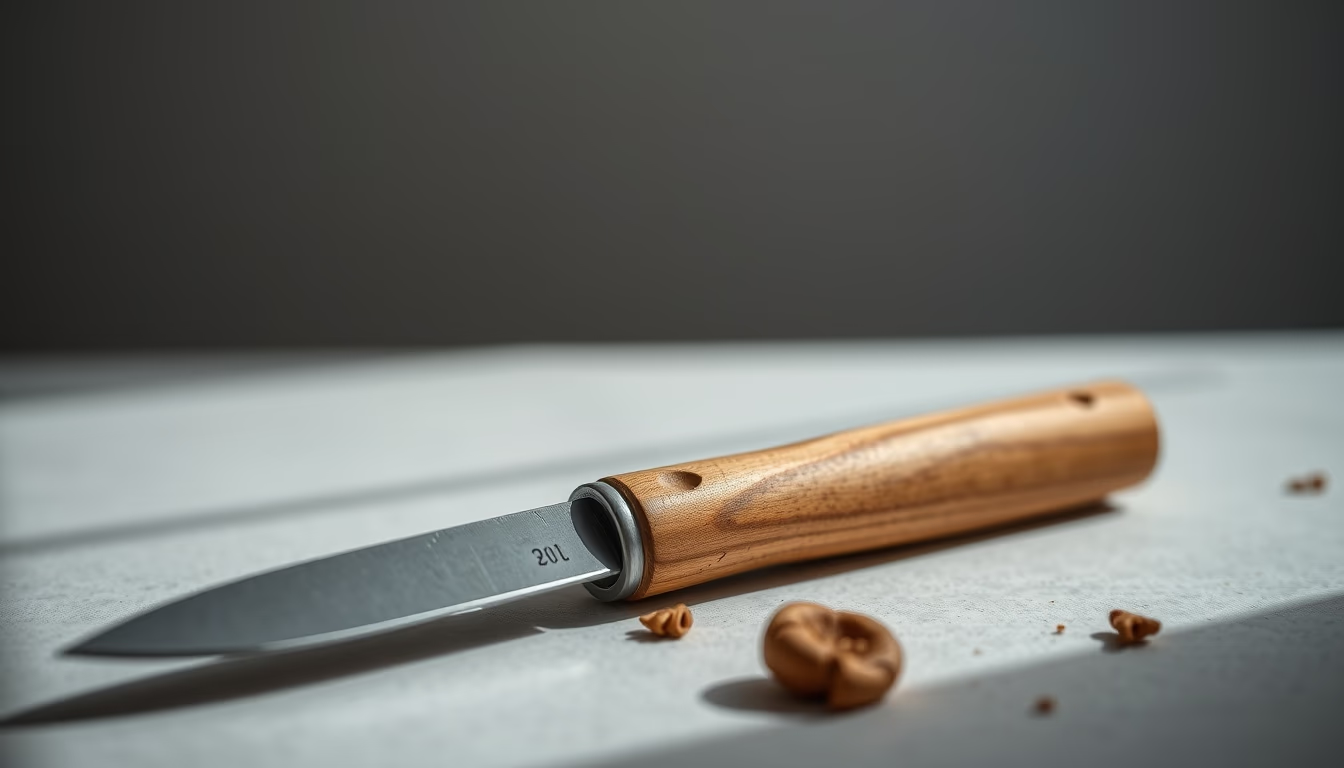
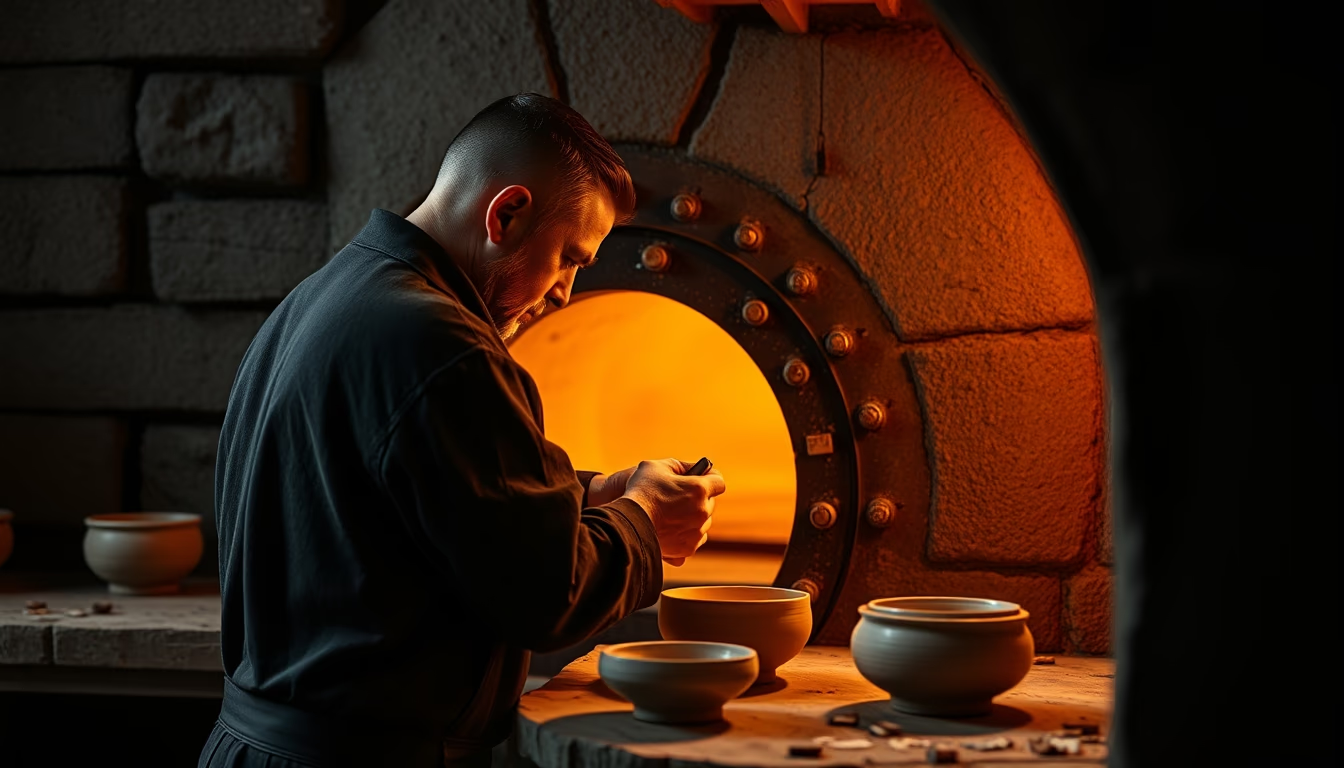
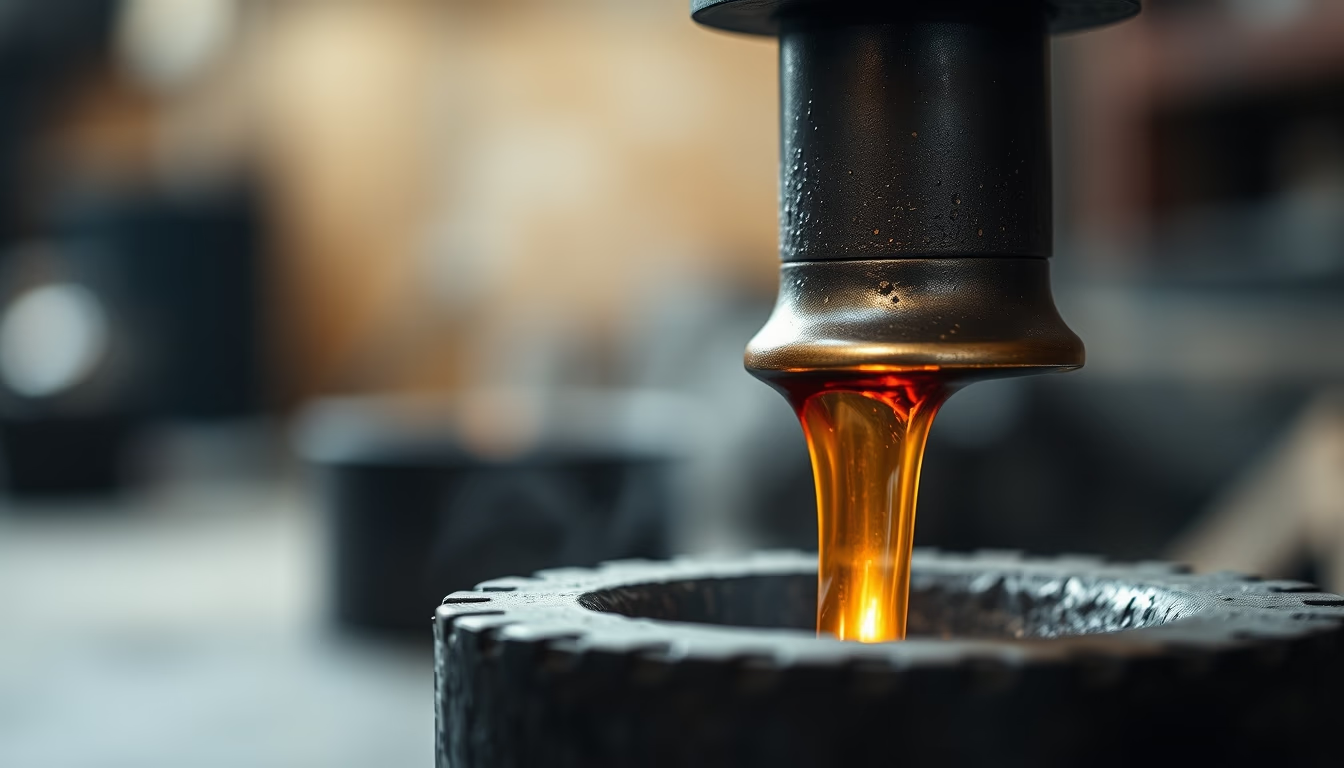
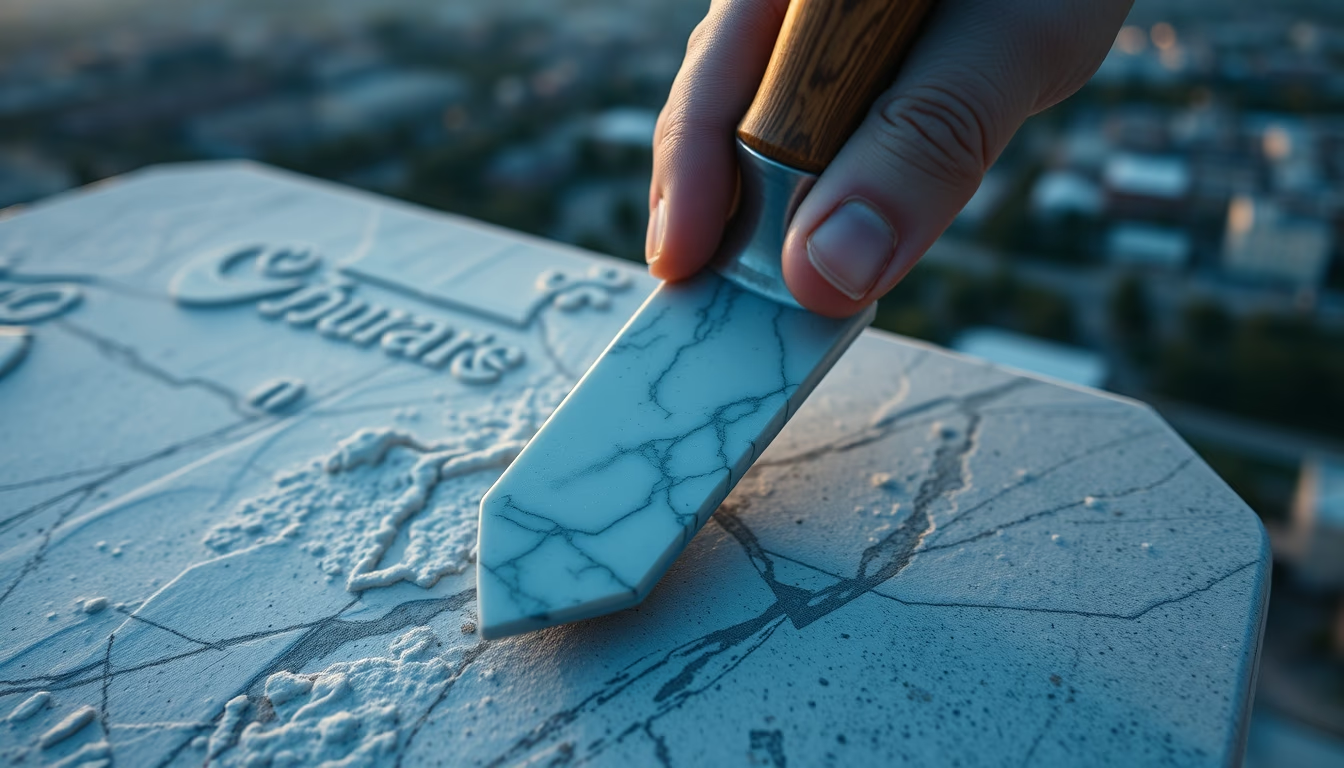
Kiln pottery firing: an ancient process that transforms clay into durable and resistant pieces, essential in both artisanal and industrial production.
About this subject
Kiln pottery firing is a fundamental step in the production of clay objects, transforming soft raw material into hard, durable pieces. This process, dating back thousands of years, has evolved from open bonfires to sophisticated kilns, such as electric, gas, and wood-fired models. Each type of kiln offers different firing atmospheres, like oxidation or reduction, directly affecting the final colors and textures of the ceramic.
In Brazil, ceramic tradition is rich and diverse, notably the Marajoara pottery, the figurative art from Vale do Jequitinhonha, and the potteries in the South. Firing occurs in two main stages: the first, called bisque firing, reaches temperatures between 900°C and 1000°C to partially vitrify the clay; the second, glaze firing, can reach up to 1300°C, depending on the glaze type and technique used.
Temperature and firing time are crucial for the final outcome. Electric kilns are common in ceramic studios for their precise control, while wood-fired kilns are valued for unique ash and flame effects. The raku technique, originating from Japan, is an example of rapid firing with post-firing reduction, creating crackled and irregular surfaces. The empirical and scientific knowledge behind firing is passed down through generations of potters.
Frequently Asked Questions
What is the ideal temperature for pottery firing?
Temperature varies by clay and glaze type. Bisque firing is done between 900°C and 1000°C, while glaze firing can reach up to 1300°C. Low-fire clays fire around 1000°C to 1100°C.
How long does a kiln pottery firing take?
It depends on the kiln and target temperature. Electric kilns may take 6 to 12 hours for heating and cooling. Wood-fired kilns can take over 24 hours, including gradual cooling.
What is bisque firing?
It is the first firing of the clay piece, before glazing. It occurs at moderate temperatures (900°C to 1000°C) to make the ceramic porous and strong enough to apply glaze without disintegrating.
Direct URL
https://pub-c7d6a6ea828543ac903a74a341ccb2e1.r2.dev/imagens/kiln-pottery-firing-commercial-product-photography-fresh0.avifHow to credit
Include a visible link back to UtilizAí. Copy one of the snippets below:
<a href="https://xn--utiliza-eza.com/en/midia/imagens/kiln-pottery-firing-commercial-product-photography-fresh0">Kiln pottery firing</a> by <a href="https://xn--utiliza-eza.com">UtilizAí</a>, licensed under <a href="https://creativecommons.org/licenses/by/4.0/">CC BY 4.0</a>.
[Kiln pottery firing](https://xn--utiliza-eza.com/en/midia/imagens/kiln-pottery-firing-commercial-product-photography-fresh0) by [UtilizAí](https://xn--utiliza-eza.com), CC BY 4.0
License: CC-BY-4.0