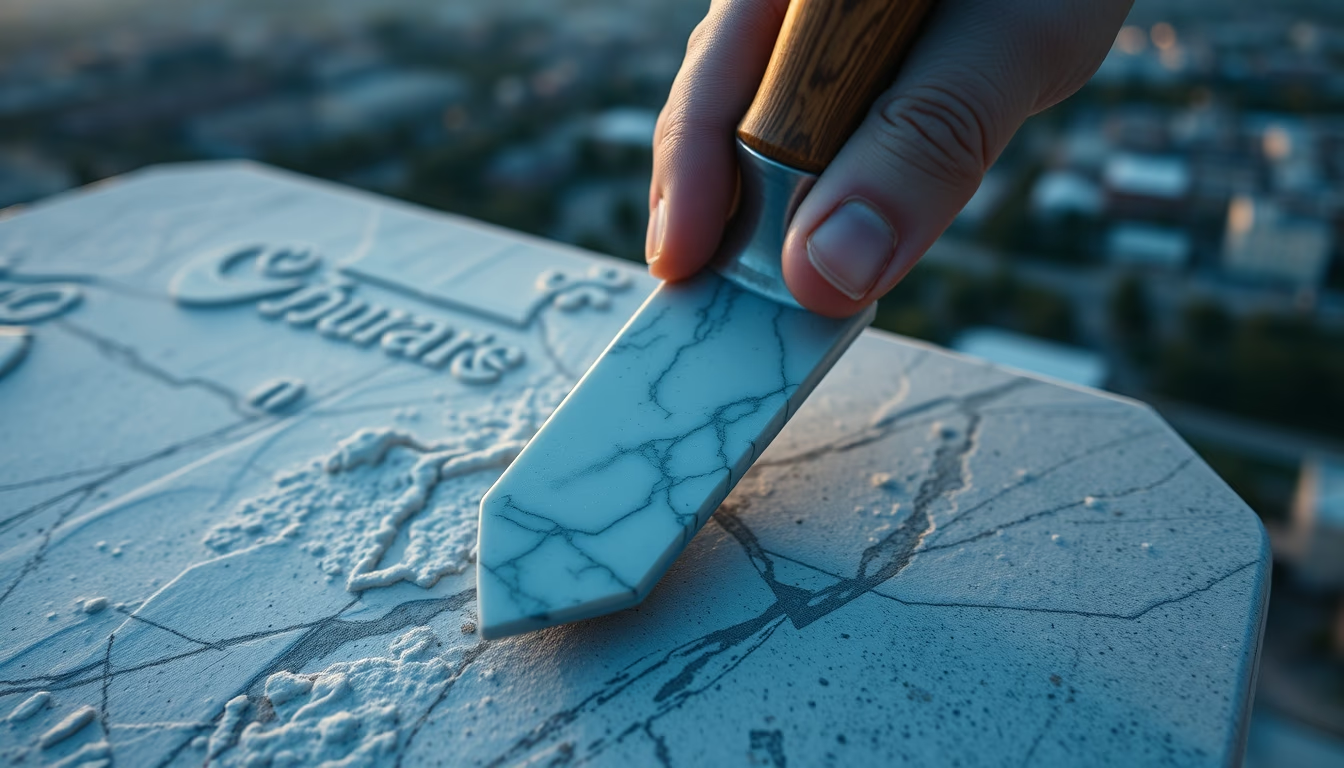
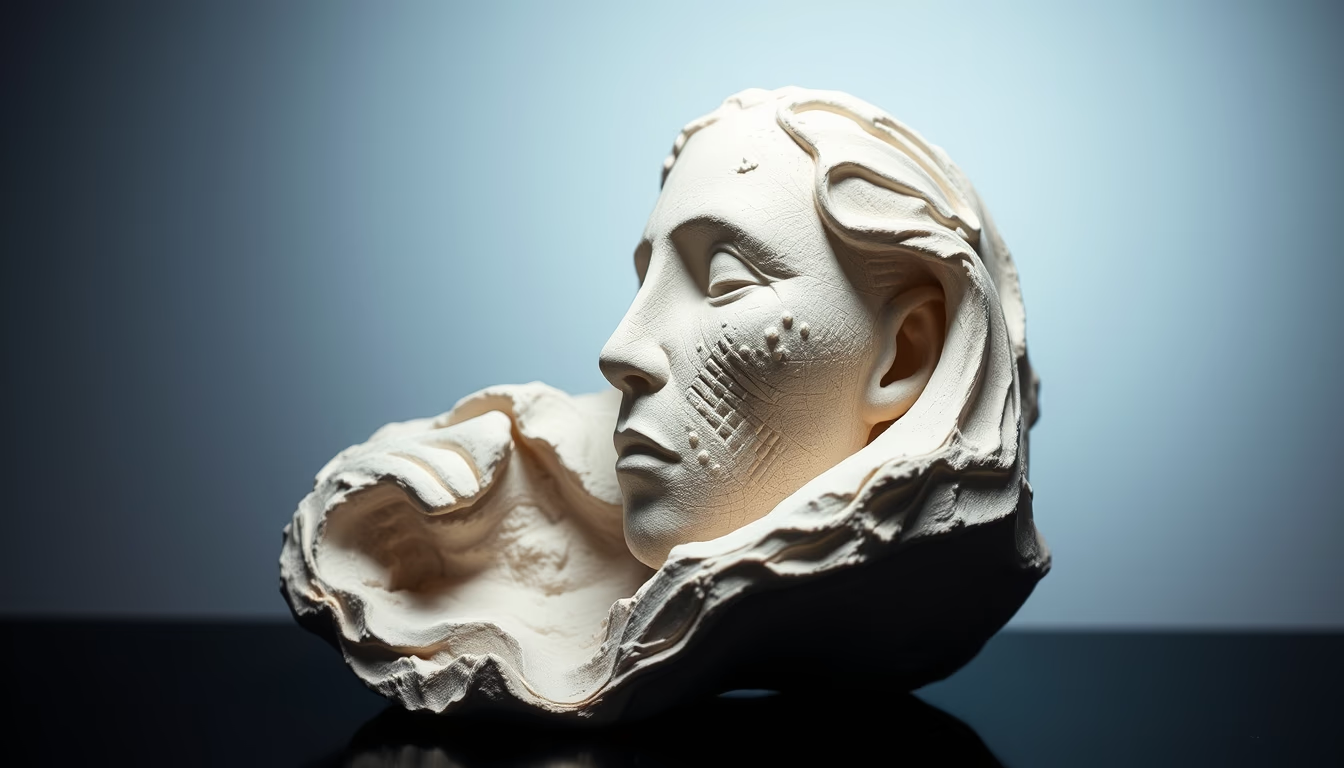
Kiln pottery firing
1344×768 · AVIF · CC BY 4.0
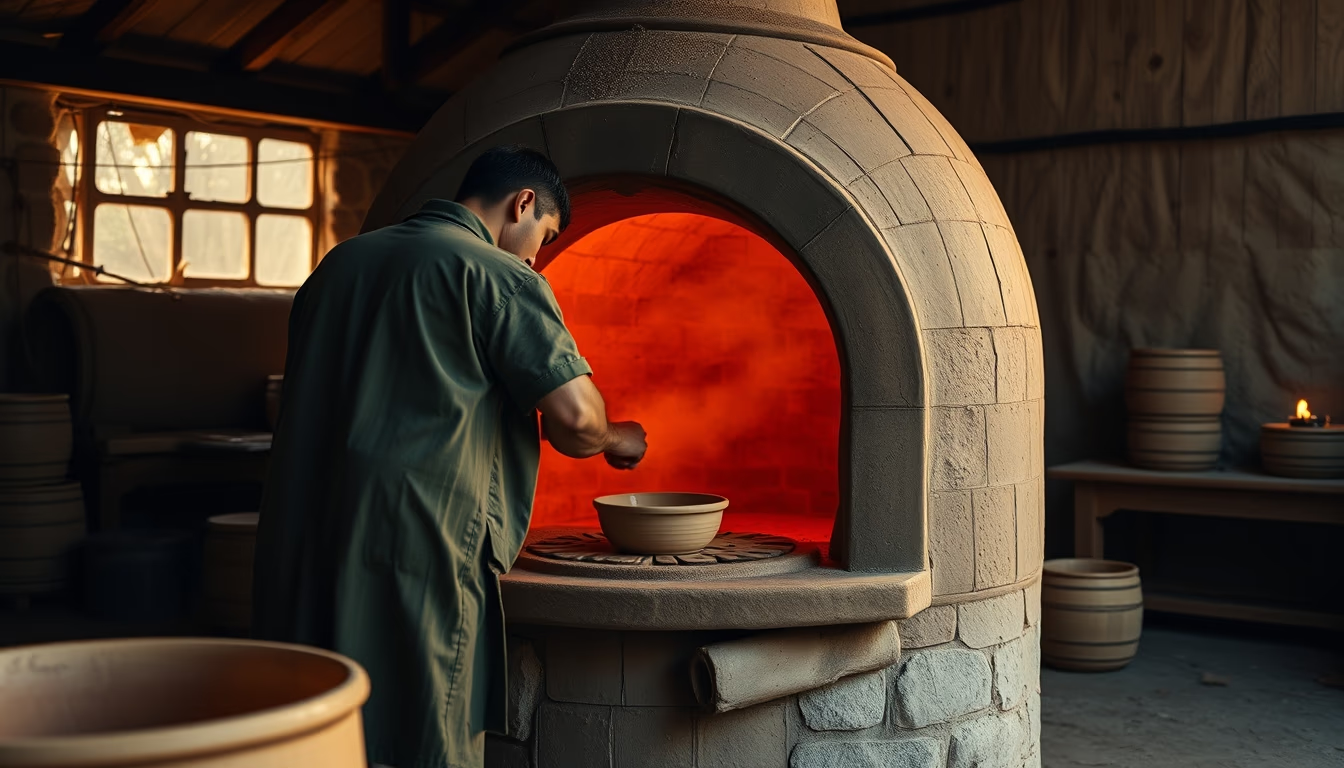
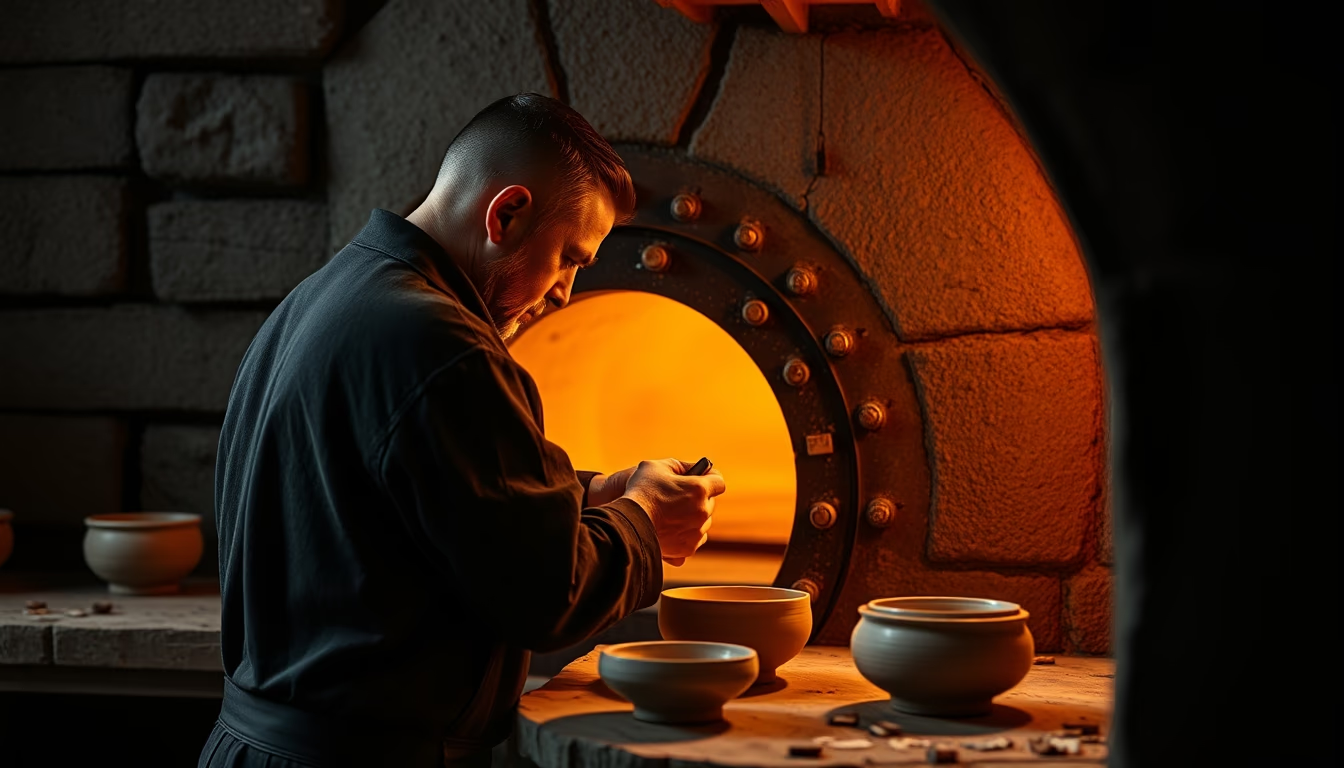
Firing pottery in kilns is an ancient step that transforms clay into durable objects, blending art and chemistry.
About this subject
Firing pottery in kilns is a thermal process that transforms shaped clay into rigid, waterproof objects. There are three main stages: drying, initial firing (bisque), and glaze firing. Temperatures range from 600°C to over 1300°C, depending on clay type and desired finish. Common kiln types include wood-fired, electric, and gas, each affecting the final aesthetics and structure.
Historically, pottery firing dates back over 20,000 years, with primitive pit kilns. Advanced civilizations like Chinese, Greek, and Pre-Columbian developed sophisticated techniques such as reduction firing for dark tones or metallic oxide glazes. In Brazil, Marajoara and Tupi-Guarani pottery used open-air kilns, while Portuguese colonial potteries introduced clay kilns.
The chemistry of firing involves clay dehydration (loss of chemically bound water), carbonate decomposition, and sintering (partial particle fusion). Common errors like rapid firing cause cracks or explosions. Temperature and kiln atmosphere (oxidizing or reducing) determine final colors and textures, controlled by pyrometers and pyrometric cones.
Notably, in Valencia, Spain, the Manises ceramic tradition still uses Moorish kilns. In Japan, anagama tunnel kilns have produced Raku ware for centuries. Firing control is so critical that potters often compare the kiln to a musical instrument, where every detail alters the outcome.
Frequently Asked Questions
What is the difference between oxidizing and reducing firing in ceramics?
In oxidizing firing, excess oxygen produces bright colors and glossy glazes. In reducing firing, limited oxygen causes dark tones and metallic effects. The atmosphere directly affects the color of metal oxides in glazes.
Why do some pottery pieces crack during firing?
Cracks occur due to rapid heating or cooling, causing internal stress. Poorly dried clay, air bubbles, or improper composition also lead to cracking. The temperature ramp up and down must be controlled.
What is the ideal temperature for low-fire clay?
Low-fire clays, such as earthenware, fire between 900°C and 1050°C. Above that they may melt or warp. High-fire clays like stoneware require 1200°C to 1300°C.
Direct URL
https://pub-c7d6a6ea828543ac903a74a341ccb2e1.r2.dev/imagens/kiln-pottery-firing-cinematic-wide-shot-fresh13.avifHow to credit
Include a visible link back to UtilizAí. Copy one of the snippets below:
<a href="https://xn--utiliza-eza.com/en/midia/imagens/kiln-pottery-firing-cinematic-wide-shot-fresh13">Kiln pottery firing</a> by <a href="https://xn--utiliza-eza.com">UtilizAí</a>, licensed under <a href="https://creativecommons.org/licenses/by/4.0/">CC BY 4.0</a>.
[Kiln pottery firing](https://xn--utiliza-eza.com/en/midia/imagens/kiln-pottery-firing-cinematic-wide-shot-fresh13) by [UtilizAí](https://xn--utiliza-eza.com), CC BY 4.0
License: CC-BY-4.0