Kiln pottery firing
1344×768 · AVIF · CC BY 4.0
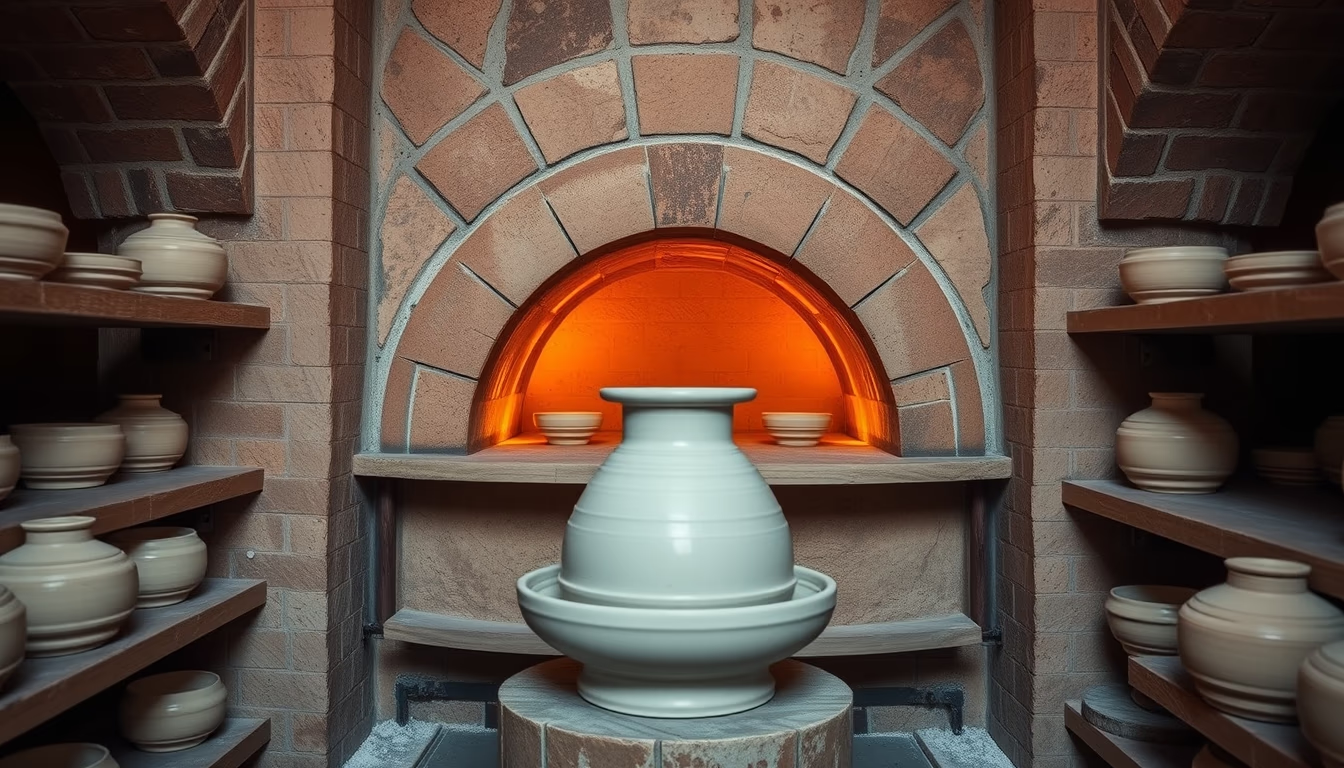
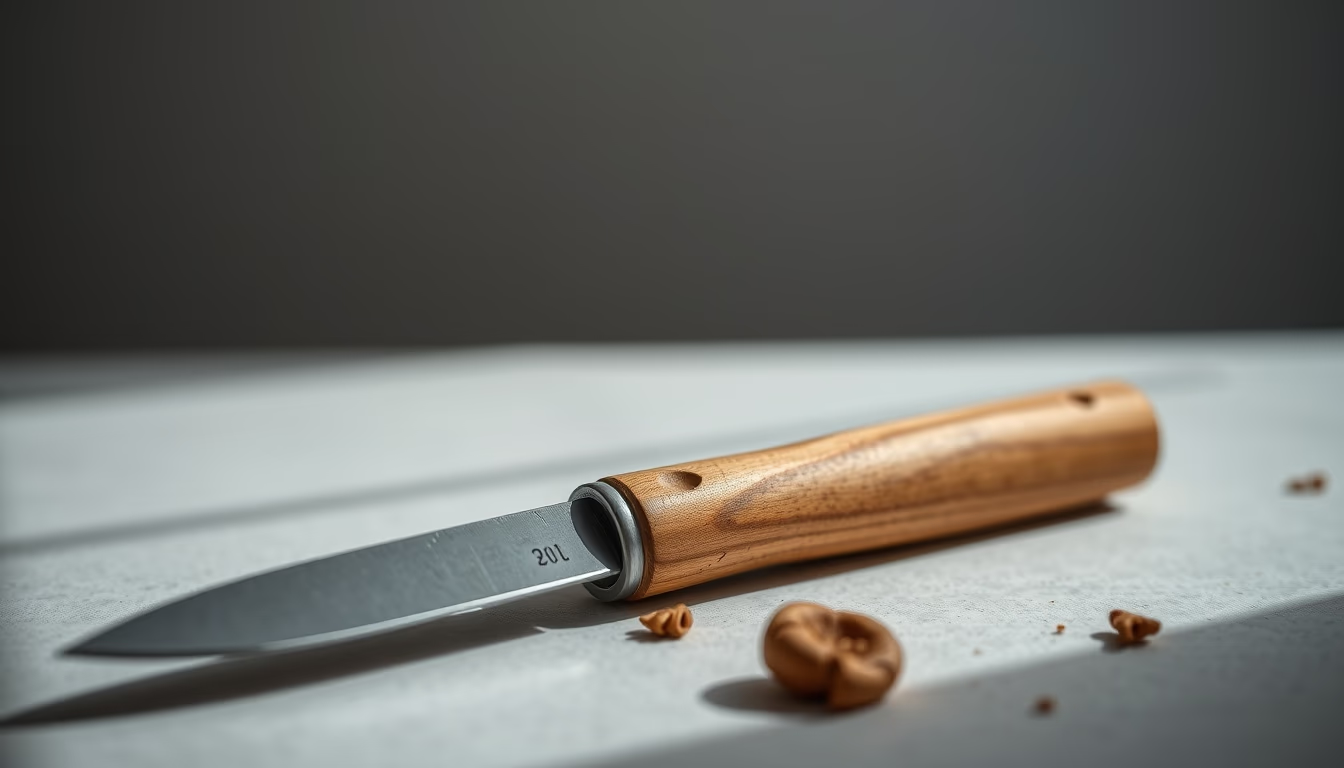
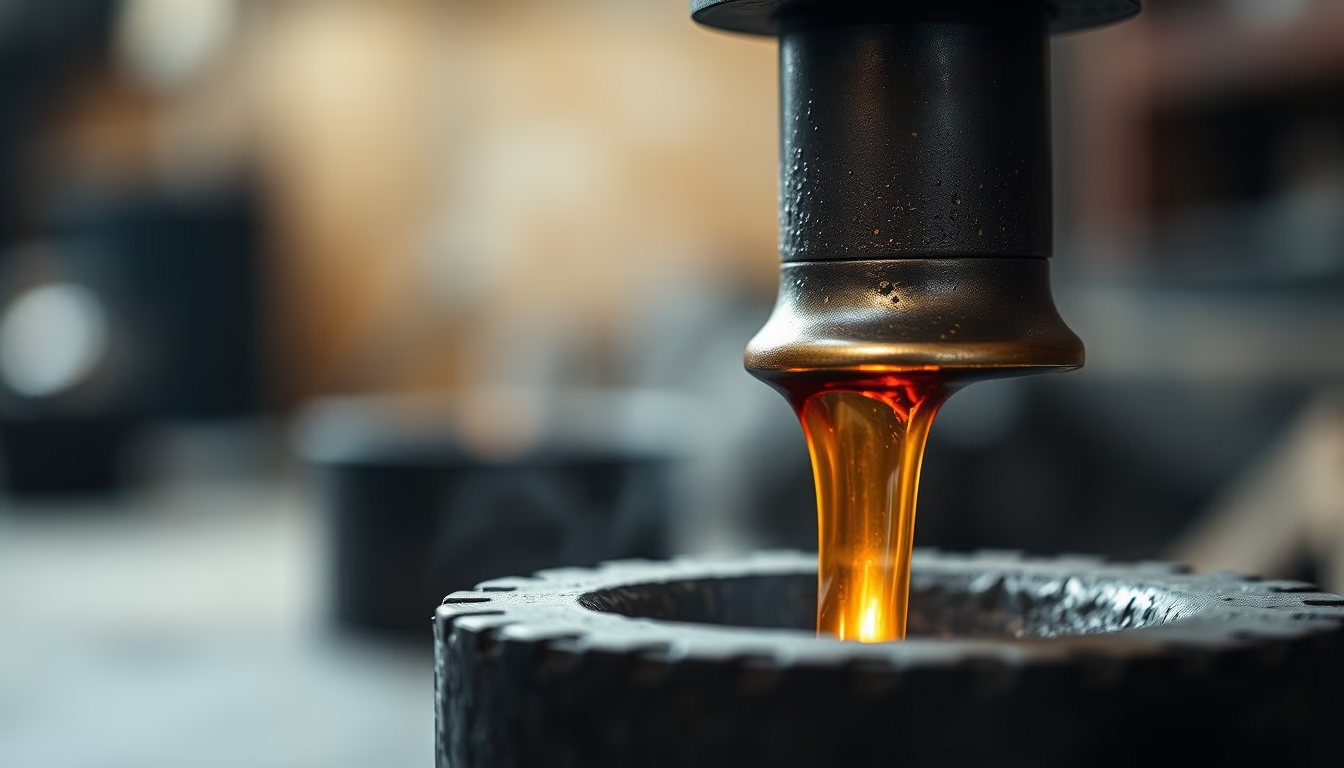
Kiln firing is the essential process that transforms clay into durable ceramics, varying according to the type of kiln and temperature applied.
About this subject
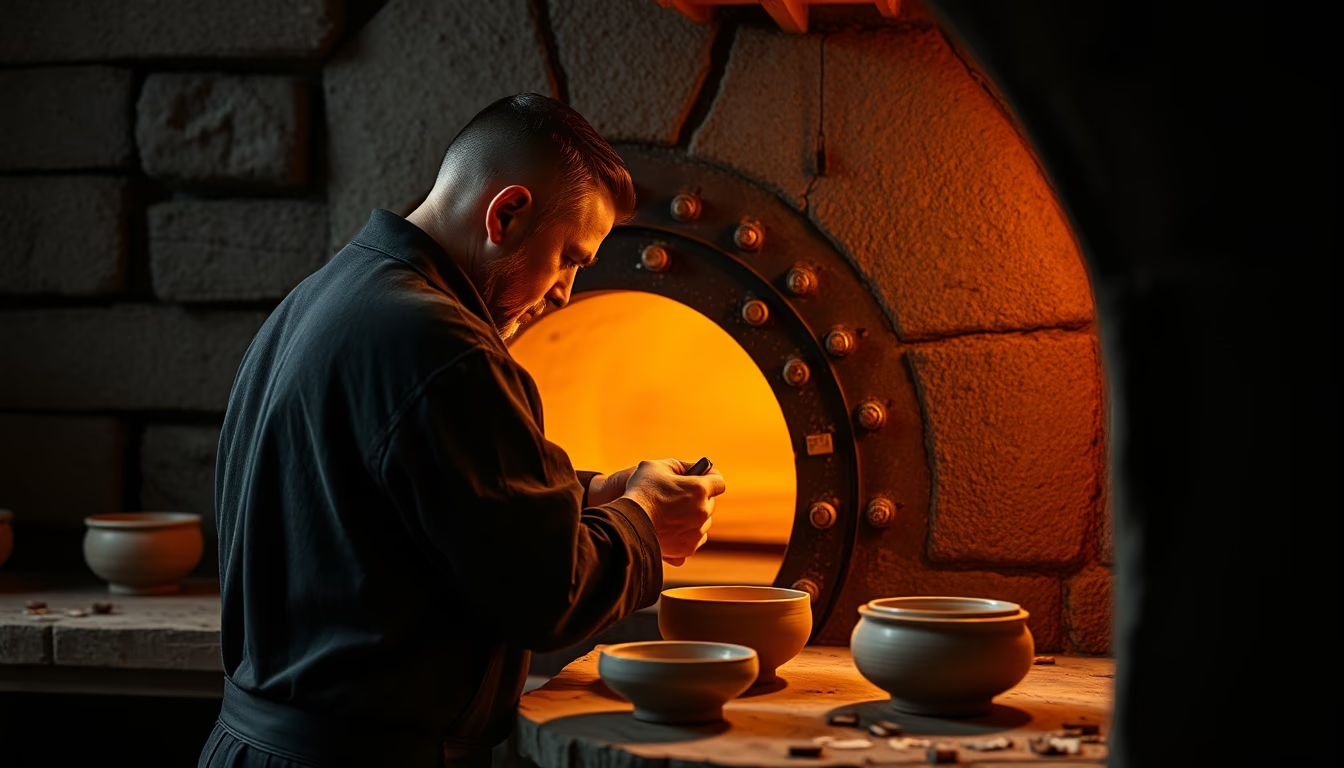
Kiln firing is the final and most critical step in ceramic production, responsible for vitrifying the clay and giving strength and impermeability to the pieces. Kilns come in various types, such as electric, gas, wood-fired, and traditional Japanese anagama kilns. Each model has distinct architectural features: refractory brick domes, exhaust systems, and controlled cooling chambers. Firing temperature varies according to the type of ceramic: earthenware is fired between 1000°C and 1150°C, stoneware between 1200°C and 1300°C, and porcelain reaches up to 1400°C.
Historically, the first ceramic kilns appeared in China during the Shang dynasty (1600, 1046 BCE) with the invention of the updraft kiln. In Japan, the anagama kiln, dug into hillsides, allows reducing atmospheres that create unique ash-glaze effects. In Europe, the development of coal and gas kilns in the 19th century enabled large-scale production of tiles and tableware. Today, advanced electric kilns feature digital controllers that ensure precise heating ramps, essential for contemporary techniques like raku and gas atmosphere firing.
Firing is not only a technical process; it carries deep cultural significance. In traditional communities, such as the ceramists of the Jequitinhonha Valley in Minas Gerais, Brazil, kilns are built by hand with clay and wood, and firing is a communal event. In high-tech studios, the kiln is seen as a precision tool, allowing exact result reproduction. The choice of kiln and firing cycle directly influences the texture, color, and durability of the final piece.
Interestingly, the kiln’s architecture (its shape, materials, and insulation) affects energy efficiency and heat distribution. Single-chamber kilns are common for small pieces, while tunnel kilns are used in industry for continuous production. Architectural photography of ceramic kilns often highlights their geometric forms and exposed bricks, reflecting the utilitarian beauty of these structures that combine function and aesthetics.
Frequently Asked Questions
What is the ideal temperature for firing ceramics?
It depends on the type of ceramic. Earthenware fires between 1000°C and 1150°C, stoneware between 1200°C and 1300°C, and porcelain up to 1400°C. The exact temperature varies based on clay composition and desired effect.
How long does a kiln firing take?
The complete cycle, including heating, soaking, and cooling, can last from 8 to 24 hours for small pieces, and up to several days for large industrial kilns or specific techniques like raku.
What are the main types of ceramic kilns?
The main types are: electric (precise and controlled), gas (allows reducing atmosphere), wood-fired (natural ash effects), anagama (Japanese tunnel kiln), and raku (rapid firing in metal containers).
Direct URL
https://pub-c7d6a6ea828543ac903a74a341ccb2e1.r2.dev/imagens/kiln-pottery-firing-architectural-photography-fresh3.avifHow to credit
Include a visible link back to UtilizAí. Copy one of the snippets below:
<a href="https://xn--utiliza-eza.com/en/midia/imagens/kiln-pottery-firing-architectural-photography-fresh3">Kiln pottery firing</a> by <a href="https://xn--utiliza-eza.com">UtilizAí</a>, licensed under <a href="https://creativecommons.org/licenses/by/4.0/">CC BY 4.0</a>.
[Kiln pottery firing](https://xn--utiliza-eza.com/en/midia/imagens/kiln-pottery-firing-architectural-photography-fresh3) by [UtilizAí](https://xn--utiliza-eza.com), CC BY 4.0
License: CC-BY-4.0