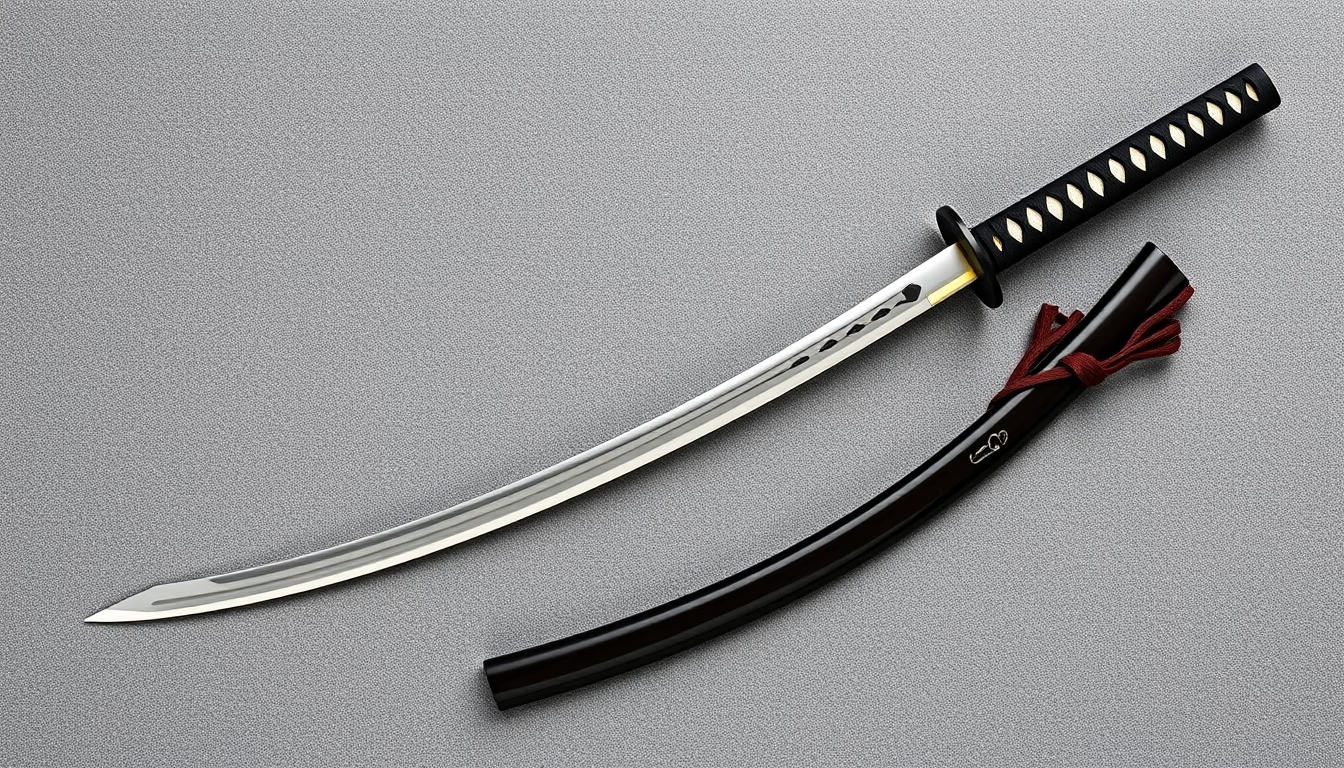
Katana japanese curved
1344×768 · AVIF · CC BY 4.0
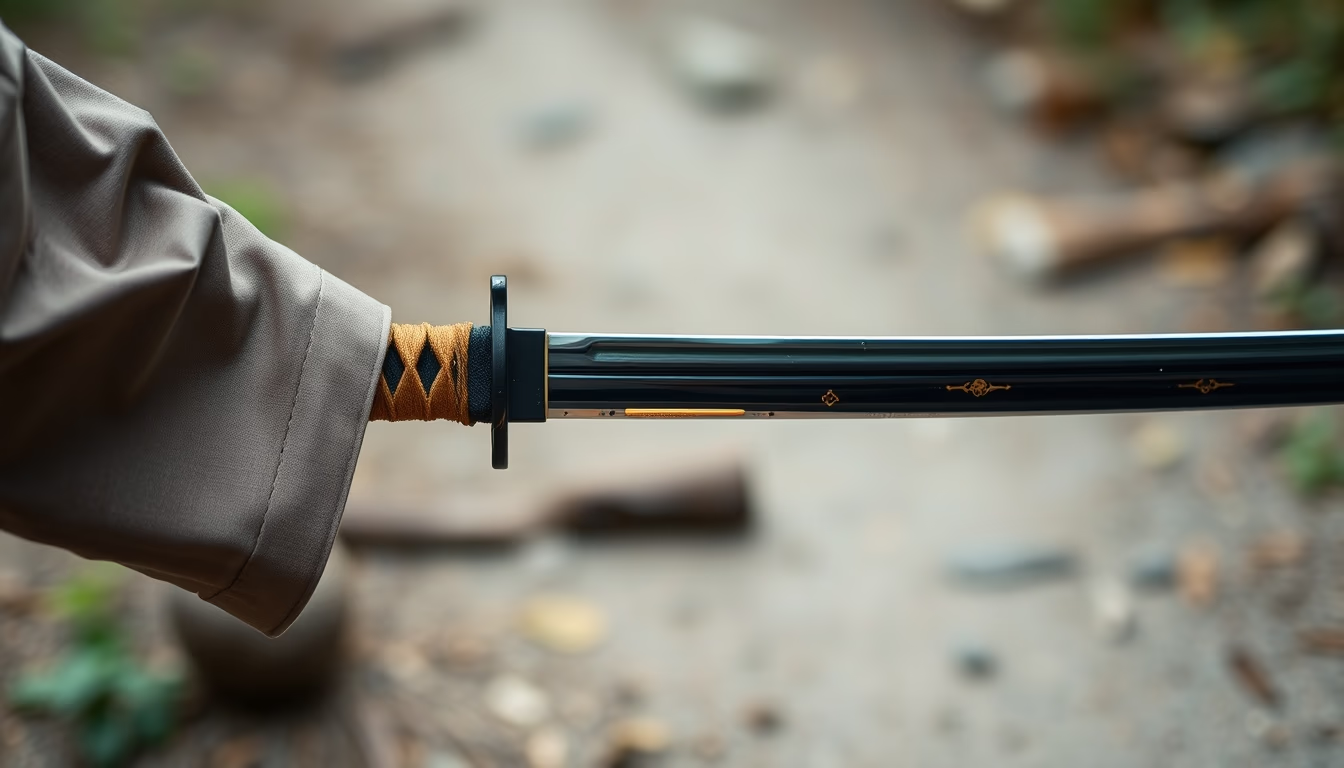
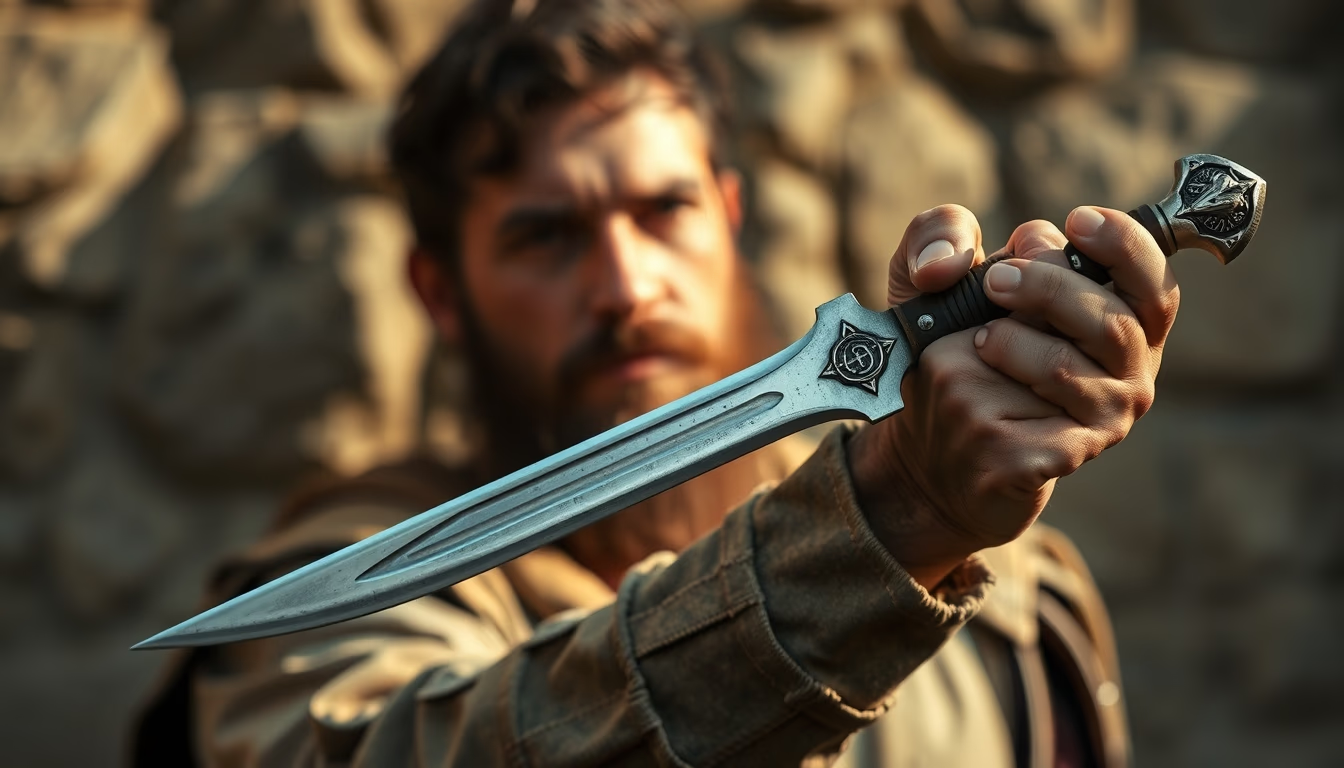
The katana is a curved Japanese sword with a single-edged blade, a symbol of the samurai and a Japanese Cultural Property.
About this subject
The katana is a Japanese sword distinguished by its curved, single-edged blade, typically between 60 and 80 centimeters (2 to 3 shaku) in length. Developed during the Kamakura period (1185, 1333), it became the primary weapon of the samurai, the warrior class of feudal Japan. The curvature (sori) is not merely aesthetic: it enables efficient cutting during sweeping strikes, utilizing the bearer's body motion. The forging technique involves repeatedly folding and hammering tamahagane steel, creating thousands of layers that give hardness at the edge and flexibility in the spine. The traditional process, called kaji, can take months and is regarded as a sacred art.
The katana was often paired with a wakizashi (short sword) to form the daishō, a status symbol of the samurai. During the peaceful Edo period (1603, 1868), the katana became more a ceremonial and status item than a combat weapon. After the Meiji Restoration (1868), sword use was restricted, and many katanas were lost or destroyed. However, the forging tradition survived, and today the katana is valued as a collectible, martial arts tool (iaidō and kendō), and cultural heritage. In 1950, Japan enacted the Cultural Properties Protection Law, designating living smiths as National Treasures.
The katana blade is often admired for the hamon (temper line) pattern on the edge, resulting from differential heat treatment. The hamon is not just decorative: it indicates the hardest part of the blade, responsible for cutting ability. Each forging school has characteristic hamon styles, such as gunome (undulating) or notare (gentle waves). The handle (tsuka) is wrapped with silk or cotton cord (tsuka-ito) over ray skin (same), ensuring grip. The handguard (tsuba) is often decorated with natural or mythological motifs, itself an art piece.
The katana is also known in the West for its legendary ability to cut through almost anything, but its actual performance depends on the wielder's skill and the sword's quality. Historical tests (tameshigiri) involved cutting through criminals' bodies or bamboo bundles, and high-quality katanas could cut through multiple targets. Today, tameshigiri is practiced by enthusiasts using tatami mats. The katana has influenced global pop culture in films, anime, and games, but its true essence lies in the combination of art, spirituality, and martial function, reflecting the bushidō code: rectitude, courage, benevolence, respect, honesty, honor, and loyalty.
Frequently Asked Questions
What is the difference between a katana and a tachi?
The tachi is an older Japanese sword used by mounted warriors, featuring more pronounced curvature and a longer blade. The katana has a gentler curve and was used by samurai on foot, typically worn with the edge facing upward in the obi (sash).
How is a katana made?
A katana is forged from tamahagane steel, obtained from smelting iron sand. The smith repeatedly folds and hammers the steel, creating layers. After shaping, differential heat treatment with clay is applied to produce the hamon. The process can take months and includes meticulous polishing.
Is the katana still used in combat today?
Not in modern military conflicts. The katana is used in martial arts like iaidō (simulated cutting) and kendō (combat with bamboo swords). There is also tameshigiri (target cutting) practice and cutting competitions. Its primary use is sporting, ceremonial, and collectible.
Direct URL
https://pub-c7d6a6ea828543ac903a74a341ccb2e1.r2.dev/imagens/katana-japanese-curved-documentary-nature-style-fresh10.avifHow to credit
Include a visible link back to UtilizAí. Copy one of the snippets below:
<a href="https://xn--utiliza-eza.com/en/midia/imagens/katana-japanese-curved-documentary-nature-style-fresh10">Katana japanese curved</a> by <a href="https://xn--utiliza-eza.com">UtilizAí</a>, licensed under <a href="https://creativecommons.org/licenses/by/4.0/">CC BY 4.0</a>.
[Katana japanese curved](https://xn--utiliza-eza.com/en/midia/imagens/katana-japanese-curved-documentary-nature-style-fresh10) by [UtilizAí](https://xn--utiliza-eza.com), CC BY 4.0
License: CC-BY-4.0