Katana japanese curved
1344×768 · AVIF · CC BY 4.0
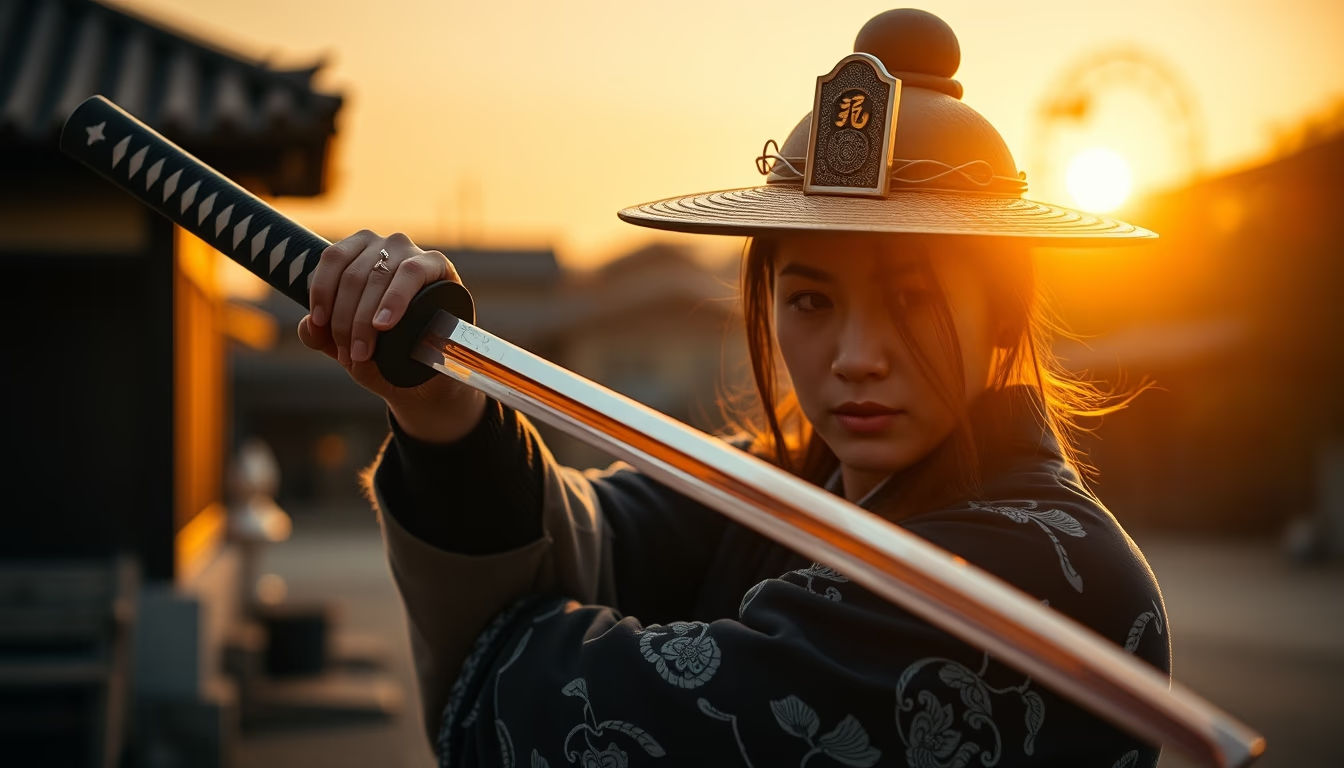
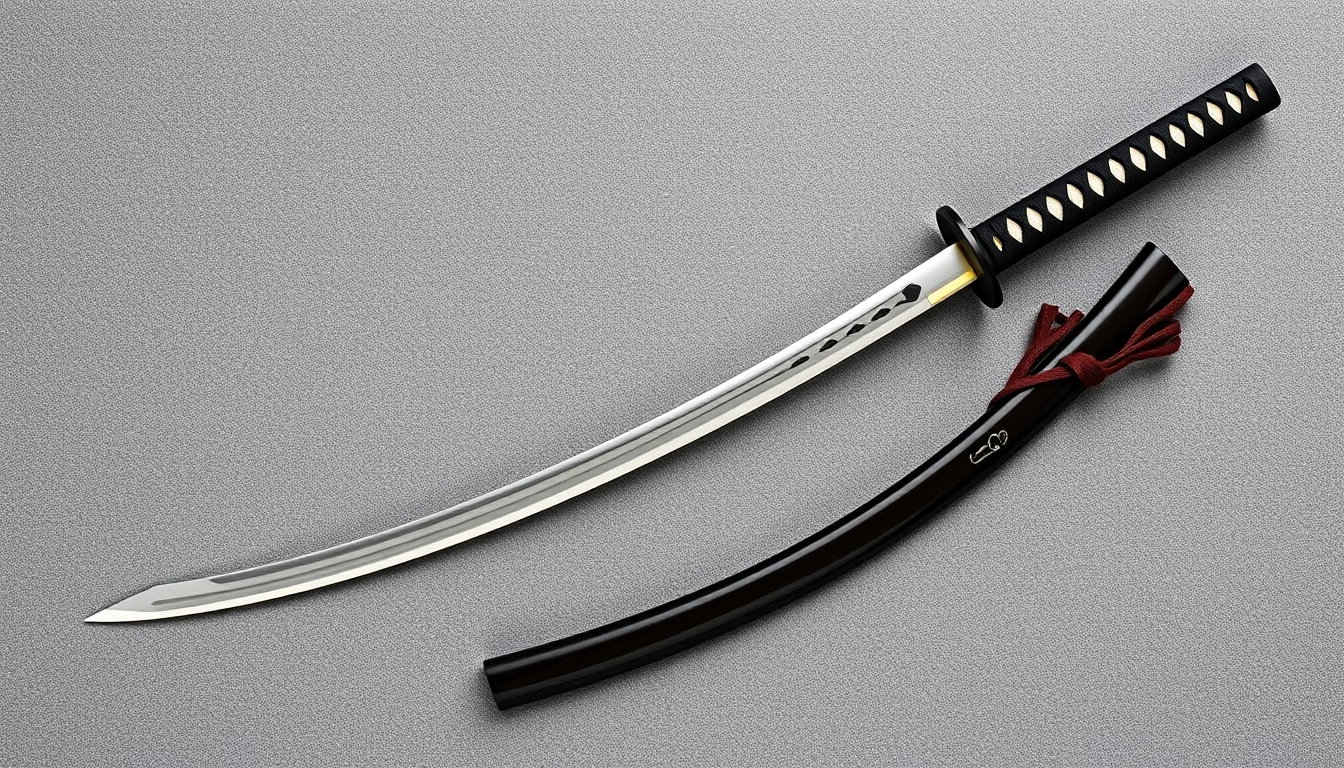
The katana is a Japanese curved sword, forged using ancient techniques and a symbol of the samurai class.
About this subject
The katana is a Japanese sword characterized by its curved, single-edged blade, traditionally used by samurai in feudal Japan. Its forging process, known as tamahagane, involves repeatedly folding the steel to remove impurities and create a laminated material, resulting in a blade that balances hardness and flexibility. The curvature (sori) of the katana is not merely aesthetic: it enables more efficient cutting motions, leveraging the samurai's draw-and-cut technique.
Historically, the katana emerged during the Kamakura period (1185, 1333), evolving from earlier straight swords to adapt to cavalry tactics and close-quarters combat. During the Edo period (1603, 1868), it became a symbol of status and honor, considered the soul of the samurai. Sword forging was restricted after the Meiji Restoration (1868), and many katanas are now designated as national treasures in Japan.
The katana has also influenced global pop culture, appearing in films, anime, and video games. Its fame stems from the precision of its cuts and the legend that it could slice through a human body in a single blow. However, actual effectiveness depended on the user's skill and the sword's quality. Today, authentic katana production follows strict standards, and many are used in martial arts such as iaido and kendo.
Fun facts: a typical katana has a blade length between 60 and 80 cm, and the handle (tsuka) is wrapped with silk or cotton cord for better grip. The smith's signature (mei) is often engraved on the tang (nakago), allowing the sword's origin to be identified.
Frequently Asked Questions
What is the difference between a katana and a normal sword?
The katana has a curved, single-edged blade forged with folded steel (tamahagane), while Western swords typically have straight, double-edged blades. The curvature facilitates drawing cuts, and the traditional manufacturing process is more complex.
Can a katana really cut a body in half?
Under ideal conditions, a high-quality katana wielded by an expert can cut through a human body with a well-executed blow, but it depends on technique and bone resistance. The legend is exaggerated by popular culture.
How can you tell if a katana is authentic?
Authentic katanas are hand-forged with traditional steel, exhibit a visible temper line (hamon), and have the smith's signature on the tang. Modern replicas are often made of stainless steel and lack a real hamon.
Direct URL
https://pub-c7d6a6ea828543ac903a74a341ccb2e1.r2.dev/imagens/katana-japanese-curved-cinematic-wide-shot-fresh2.avifHow to credit
Include a visible link back to UtilizAí. Copy one of the snippets below:
<a href="https://xn--utiliza-eza.com/en/midia/imagens/katana-japanese-curved-cinematic-wide-shot-fresh2">Katana japanese curved</a> by <a href="https://xn--utiliza-eza.com">UtilizAí</a>, licensed under <a href="https://creativecommons.org/licenses/by/4.0/">CC BY 4.0</a>.
[Katana japanese curved](https://xn--utiliza-eza.com/en/midia/imagens/katana-japanese-curved-cinematic-wide-shot-fresh2) by [UtilizAí](https://xn--utiliza-eza.com), CC BY 4.0
License: CC-BY-4.0