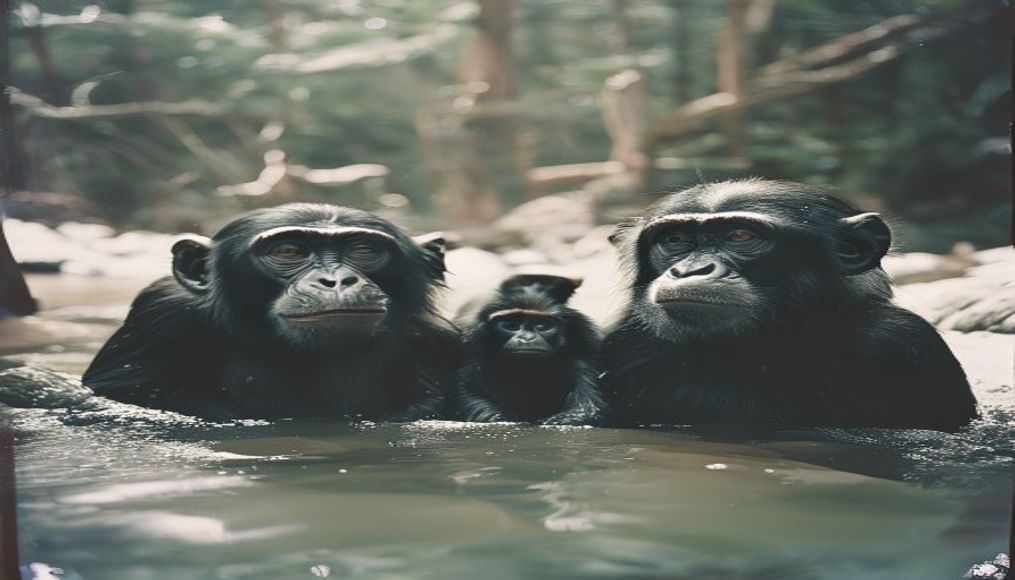
Jigokudani snow monkeys
1344×768 · AVIF · CC BY 4.0
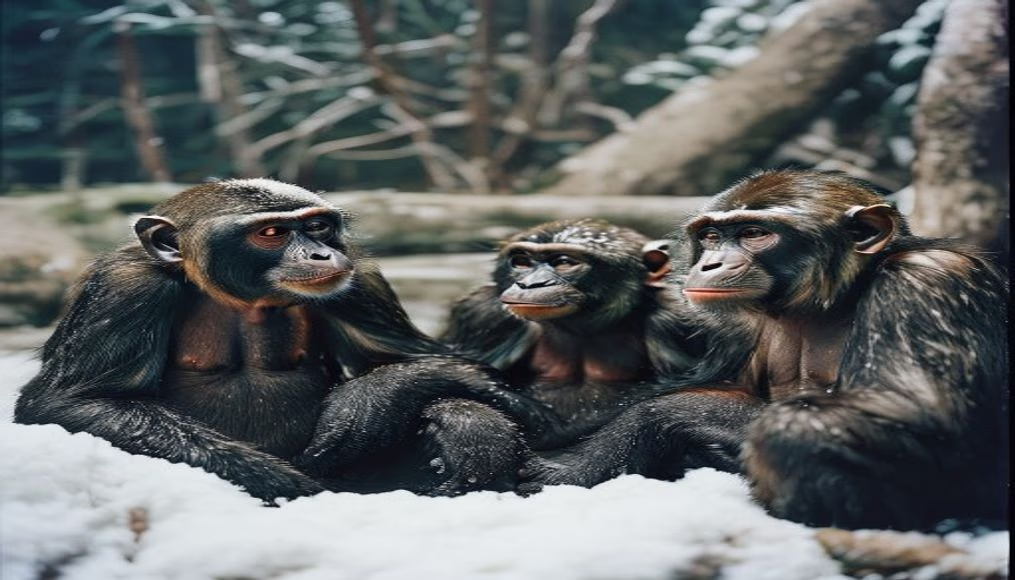
The snow monkeys of Jigokudani, Japan, are famous for bathing in hot springs during harsh winters, a rare behavior among primates.
About this subject
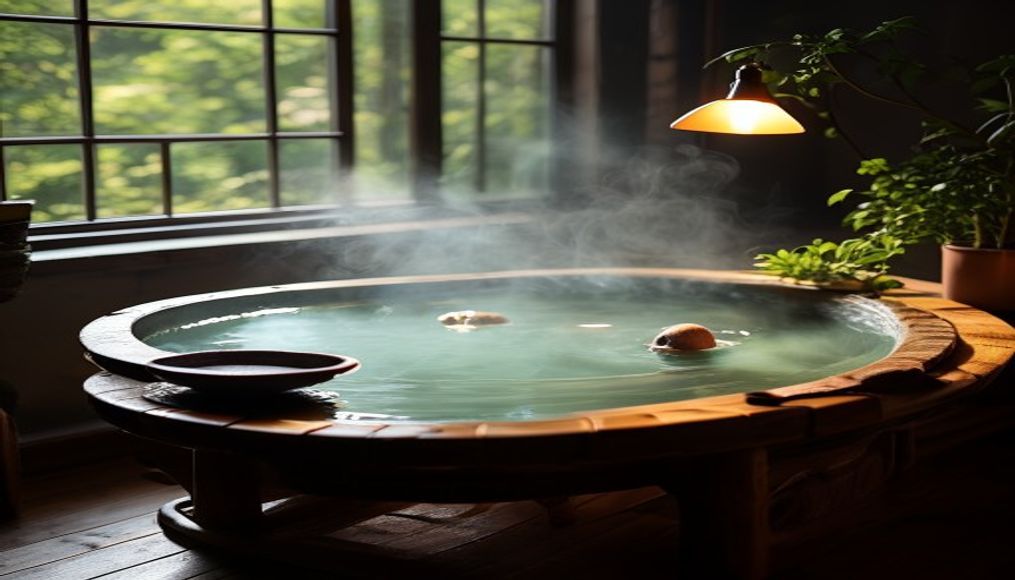
The snow monkeys, a subspecies of the Japanese macaque (Macaca fuscata), inhabit the mountainous region of Jigokudani in Nagano Prefecture, Japan. The name "Jigokudani" means "Hell Valley," referring to the steam and hot springs rising from the ground. During winter, when temperatures drop below freezing and snow covers the landscape, these primates seek refuge in natural warm waters. This behavior was first observed in the 1960s, when a young female entered a hot spring pool at a local inn, and it has since spread through the troop.
The monkeys live in hierarchical troops, and bathing in the hot springs is a social activity that strengthens bonds and reduces stress. Studies show that immersion in hot water helps conserve energy by reducing the metabolic rate needed to maintain body temperature. This practice is culturally transmitted: infants learn by watching adults. The Jigokudani Monkey Park, established in 1964, protects the troop and allows responsible tourism, offering close-up views of this unique phenomenon.
The snow monkeys' popularity has extended beyond Japan, featuring in BBC and National Geographic documentaries. They have become a symbol of animal resilience and wildlife tourism in the country. However, human interaction requires caution: the monkeys are wild and can transmit diseases or become dependent on offered food. Therefore, the park prohibits feeding and maintains a minimum distance to ensure animal welfare.
Interestingly, these macaques are the northernmost non-human primates, enduring severe winters. Their dense fur and short tail are adaptations to cold. Macaca fuscata is also known for tool use, such as washing sweet potatoes in the sea, a behavior studied by primatologists. At Jigokudani, the combination of natural hot springs and snow creates a picturesque scene that attracts visitors worldwide, especially from December to March.
Frequently Asked Questions
What is the best time to see the snow monkeys at Jigokudani?
The best time is between December and March, during winter, when snow is present and the monkeys bathe in the hot springs. The park is open year-round, but the bathing behavior is more frequent in intense cold.
Are snow monkeys dangerous to visitors?
Generally no, but they are wild animals. The park advises maintaining distance, not feeding them, and avoiding direct contact. They may steal objects or approach if habituated, but attacks are rare.
How did the snow monkeys learn to bathe in the hot springs?
The behavior originated in the 1960s when a young female entered a hotel's hot spring pool. Other monkeys imitated her, and over time, the practice became cultural within the troop, passed down through generations.
Direct URL
https://pub-c7d6a6ea828543ac903a74a341ccb2e1.r2.dev/imagens/jigokudani-snow-monkeys-film-grain-authentic-p3.avifHow to credit
Include a visible link back to UtilizAí. Copy one of the snippets below:
<a href="https://xn--utiliza-eza.com/en/midia/imagens/jigokudani-snow-monkeys-film-grain-authentic-p3">Jigokudani snow monkeys</a> by <a href="https://xn--utiliza-eza.com">UtilizAí</a>, licensed under <a href="https://creativecommons.org/licenses/by/4.0/">CC BY 4.0</a>.
[Jigokudani snow monkeys](https://xn--utiliza-eza.com/en/midia/imagens/jigokudani-snow-monkeys-film-grain-authentic-p3) by [UtilizAí](https://xn--utiliza-eza.com), CC BY 4.0
License: CC-BY-4.0