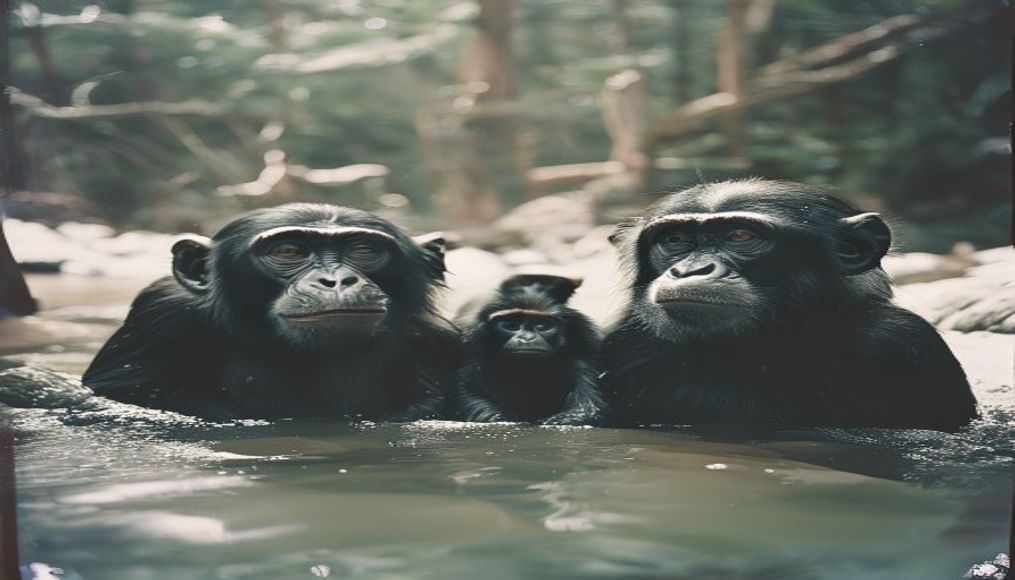
Jigokudani snow monkeys
1344×768 · AVIF · CC BY 4.0
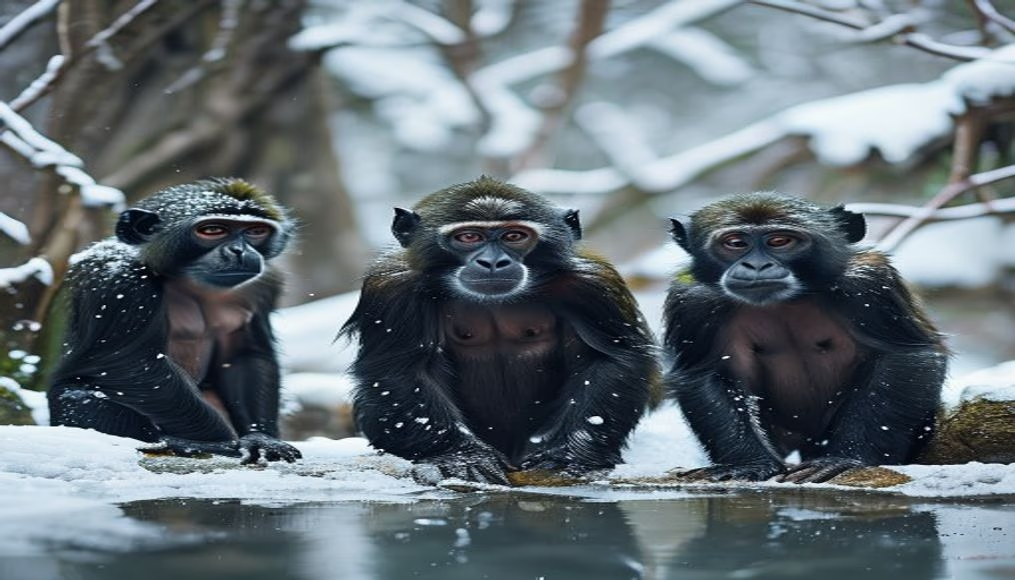
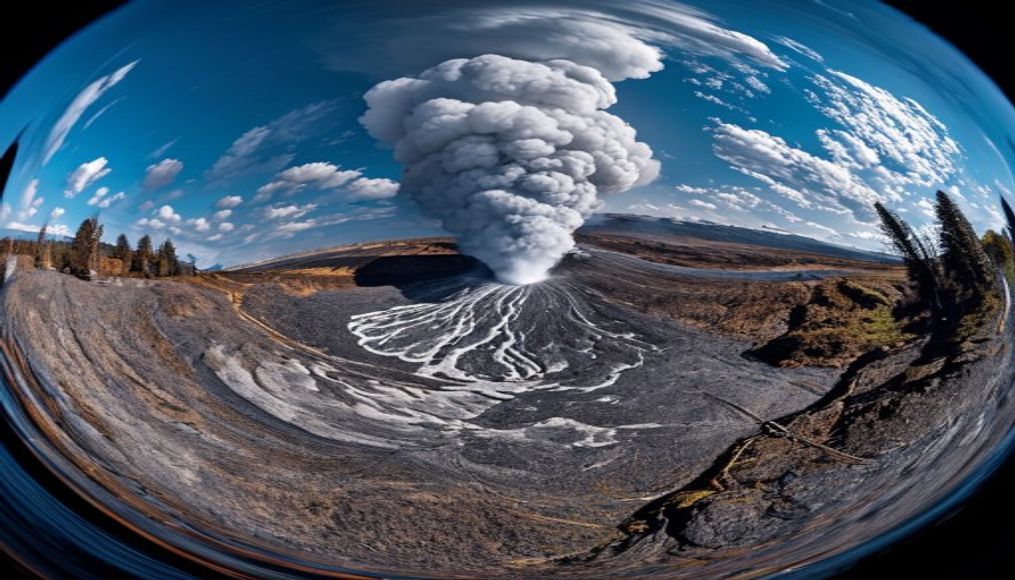
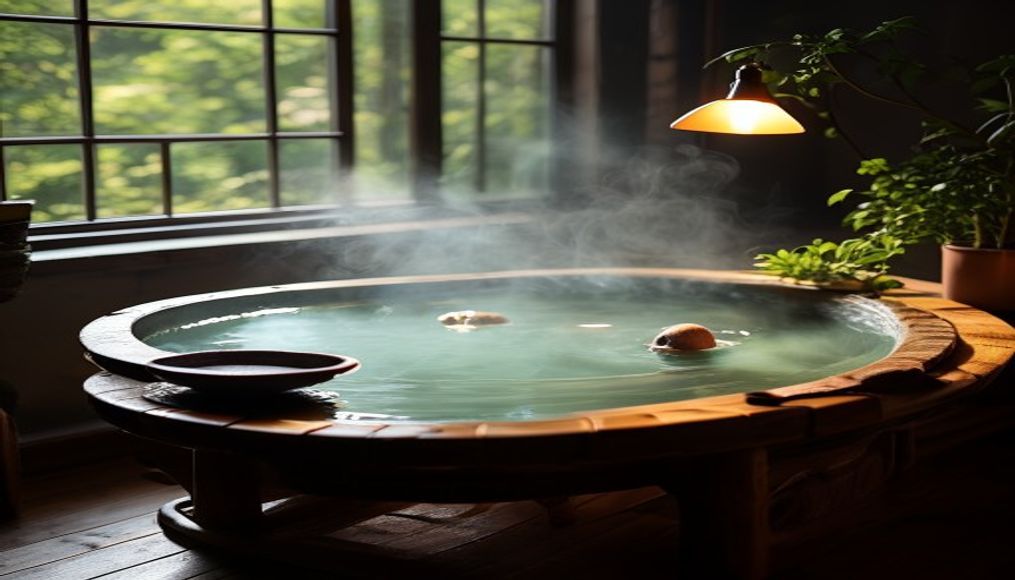
Jigokudani's snow monkeys, in Japan, are famous for bathing in hot springs during the harsh winter.
About this subject
The snow monkeys of Jigokudani, also known as Japanese macaques (_Macaca fuscata_), inhabit Jigokudani Monkey Park in Nagano Prefecture, Japan. The area is renowned for its volcanic hot springs, which attract the primates especially during the snowy months from December to March. This bathing behavior was first documented in the 1960s when a young female entered a natural pool and others followed suit. Today, it is passed down through generations, representing a case of cultural transmission among non-human animals.
Japanese macaques are the northernmost living non-human primates, enduring temperatures as low as -15 °C. Their thick fur and the thermal insulation from the hot springs are crucial for survival. Jigokudani means "Hell's Valley" due to steam and boiling water, yet the monkeys have found a sanctuary. The site has become a major tourist attraction, sparking debates on human impact on animal behavior. Studies indicate that constant visitor exposure reduces stress in the monkeys but may also alter their diet and social dynamics.
Beyond ecology, snow monkeys are a cultural symbol in Japan, appearing in folklore and art. Scientific research on their social hierarchy and learning has influenced primatology worldwide. A curious fact: they often remove snow from their fur before entering the water, and infants learn bathing by observing adults. Despite the name, these monkeys are not a distinct species but a population adapted to extreme winter conditions.
Frequently Asked Questions
Why do snow monkeys bathe in hot springs?
They bathe to keep warm during the harsh winter, as the volcanic hot springs maintain pleasant temperatures while the outside environment drops to -15 °C.
Where is Jigokudani located and how to get there?
It is in Yamanouchi, Nagano Prefecture, Japan. Access by train to Nagano Station, then local bus. The park requires a short walk on a snowy trail.
Are snow monkeys a different species?
No, they are the same species as the Japanese macaque (_Macaca fuscata_), but the Jigokudani population has developed the unique hot-spring bathing habit, culturally transmitted.
Direct URL
https://pub-c7d6a6ea828543ac903a74a341ccb2e1.r2.dev/imagens/jigokudani-snow-monkeys-architectural-photography-p2.avifHow to credit
Include a visible link back to UtilizAí. Copy one of the snippets below:
<a href="https://xn--utiliza-eza.com/en/midia/imagens/jigokudani-snow-monkeys-architectural-photography-p2">Jigokudani snow monkeys</a> by <a href="https://xn--utiliza-eza.com">UtilizAí</a>, licensed under <a href="https://creativecommons.org/licenses/by/4.0/">CC BY 4.0</a>.
[Jigokudani snow monkeys](https://xn--utiliza-eza.com/en/midia/imagens/jigokudani-snow-monkeys-architectural-photography-p2) by [UtilizAí](https://xn--utiliza-eza.com), CC BY 4.0
License: CC-BY-4.0