Jazz double bass
1344×768 · AVIF · CC BY 4.0
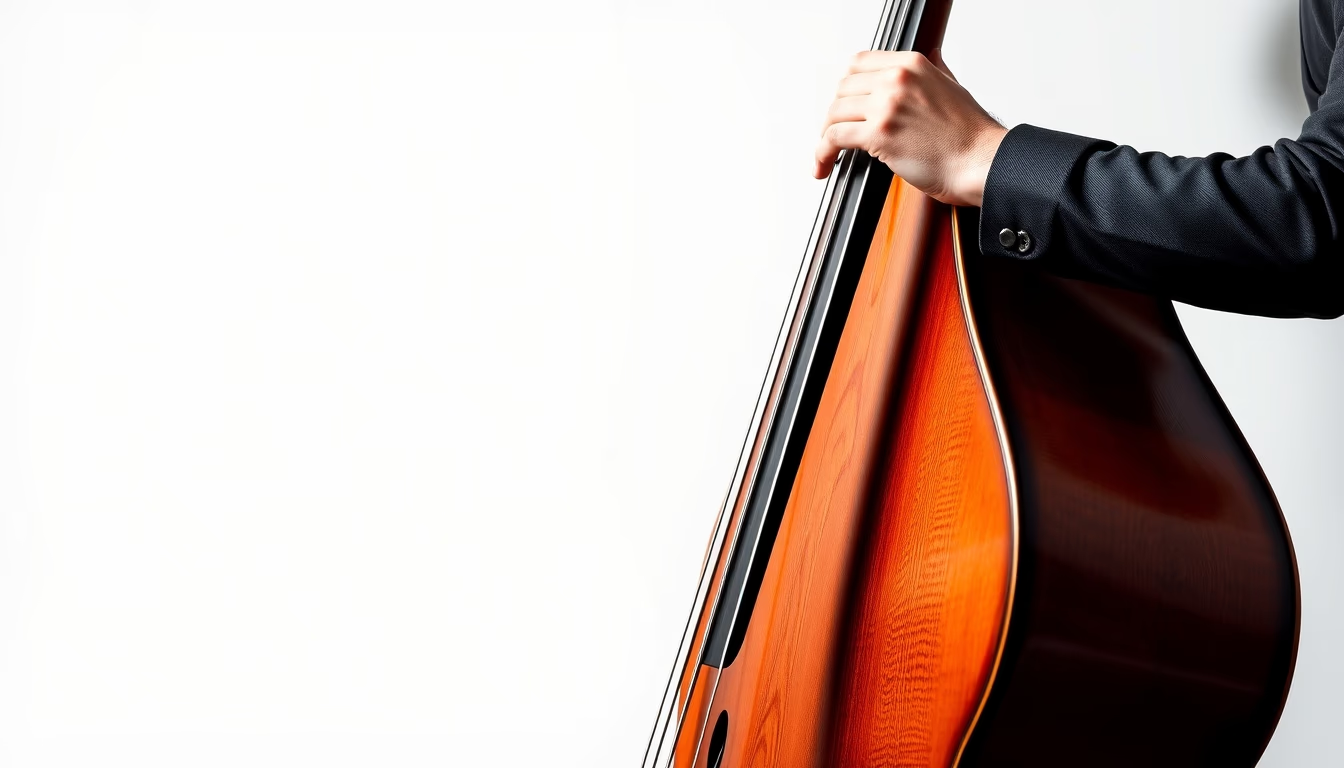
The acoustic double bass is the backbone of jazz, providing the rhythmic and harmonic foundation of the genre since the early 20th century.
About this subject
The acoustic double bass, also called upright bass or contrabass, is a bowed string instrument that serves as the low-pitched anchor in jazz. Unlike the later electric bass, the double bass produces a warm, resonant tone through its large wooden body, shaped like a giant violin. In jazz, it is played either with a bow (arco) or by plucking the strings (pizzicato), the latter creating a distinctive percussive attack that drives the rhythm.
The double bass entered jazz via New Orleans ragtime and early jazz bands of the 1900s, replacing the tuba as the bass instrument due to its greater agility and expressive range. Early pioneers like Pops Foster and Wellman Braud developed the slap technique, where the string is pulled and snaps against the fingerboard, producing a rhythmic thump that energized swing-era ensembles. By the 1930s and 1940s, the bass was indispensable in both big bands and small combos, with players such as Ray Brown, Charles Mingus, and Paul Chambers elevating it from a mere timekeeper to a solo instrument capable of melodic and harmonic complexity.
The instrument evolved significantly through jazz history. In bebop, bassists like Oscar Pettiford and Percy Heath pioneered walking bass lines that outlined chord progressions with fluid, chromatic movements. The 1950s and 1960s saw further expansion: Scott LaFaro explored polyrhythms and high-register solos, while Jimmy Garrison used droning pedal points in modal jazz. Meanwhile, the free jazz movement, with Charlie Haden and others, treated the bass as a textural and atonal source. Today, the acoustic double bass remains iconic in traditional jazz settings, though many contemporary players also use electric basses. The craftsmanship of the instrument, typically made from spruce and maple, greatly affects its sound, with vintage basses by makers like Giovanni Paolo Maggini or Antonio Stradivari (though rare) being highly prized.
Frequently Asked Questions
What is the main difference between acoustic double bass and electric bass?
The acoustic double bass produces sound through the vibration of strings over a wooden resonating body, while the electric bass uses magnetic pickups. The double bass has a warmer, richer tone and is often played with a bow in jazz, a technique rarely used on electric bass.
What is the slap technique on the double bass?
The slap technique, common in early jazz, involves pulling the string and letting it slap against the fingerboard, creating a percussive, rhythmic sound. It was pioneered by players like Pops Foster and Wellman Braud and remains a hallmark of traditional jazz bass playing.
Who are the most influential jazz double bassists?
Key figures include Charles Mingus, Ray Brown, Paul Chambers, Ron Carter, Scott LaFaro, and Charlie Haden. Each brought technical and compositional innovations, expanding the bass's role from timekeeping to soloing and harmonic exploration.
Direct URL
https://pub-c7d6a6ea828543ac903a74a341ccb2e1.r2.dev/imagens/jazz-double-bass-commercial-product-photography-p10.avifHow to credit
Include a visible link back to UtilizAí. Copy one of the snippets below:
<a href="https://xn--utiliza-eza.com/en/midia/imagens/jazz-double-bass-commercial-product-photography-p10">Jazz double bass</a> by <a href="https://xn--utiliza-eza.com">UtilizAí</a>, licensed under <a href="https://creativecommons.org/licenses/by/4.0/">CC BY 4.0</a>.
[Jazz double bass](https://xn--utiliza-eza.com/en/midia/imagens/jazz-double-bass-commercial-product-photography-p10) by [UtilizAí](https://xn--utiliza-eza.com), CC BY 4.0
License: CC-BY-4.0