Jain temple india white
1344×768 · AVIF · CC BY 4.0
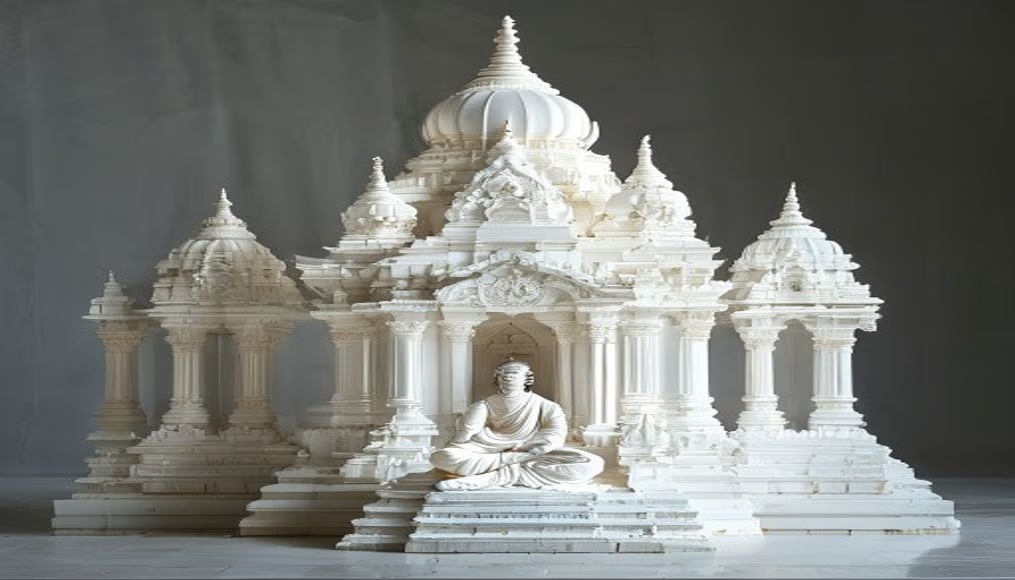
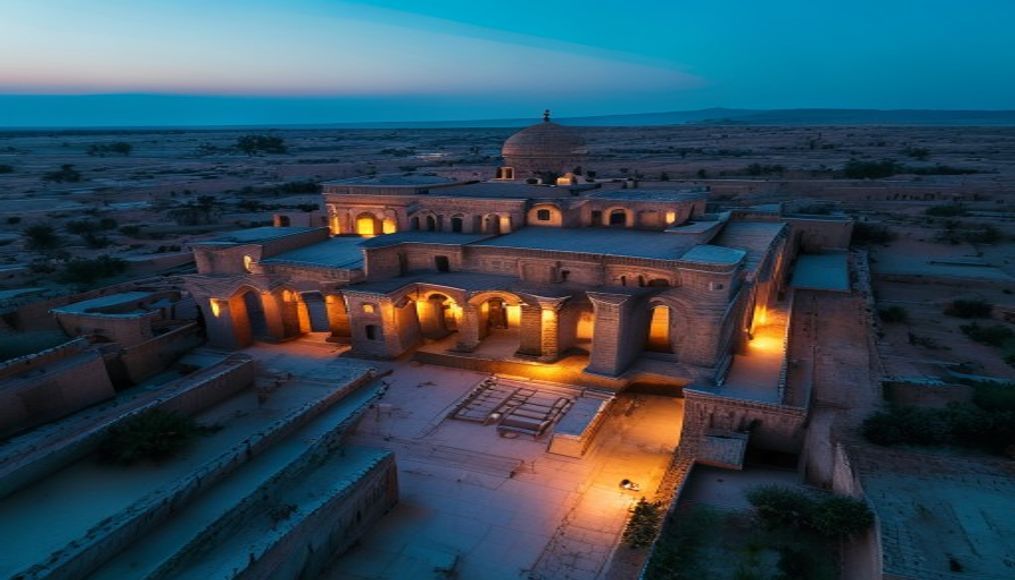
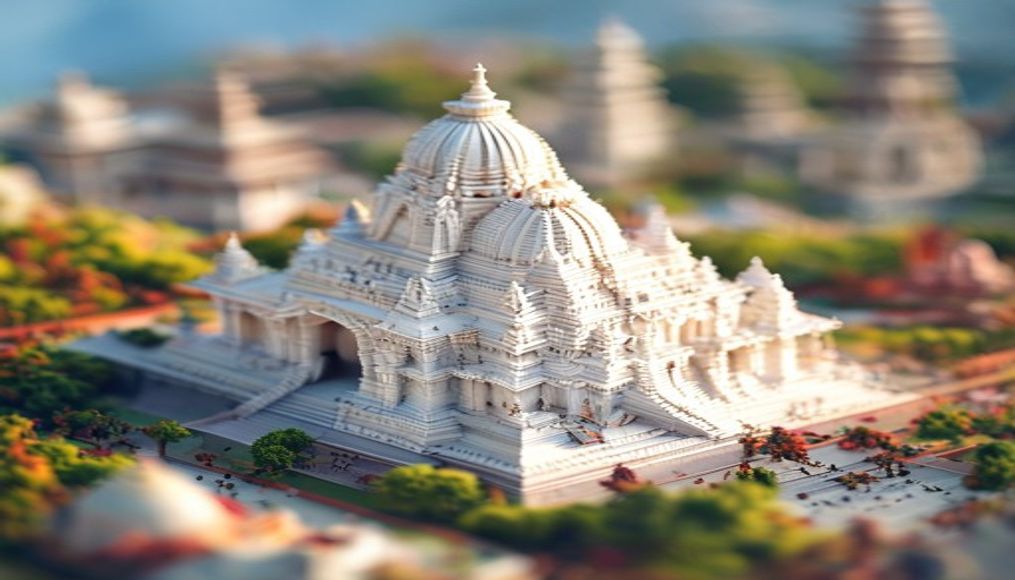
Indian Jain temples, carved in white marble, are architectural marvels symbolizing purity and non-violence.
About this subject
Jain temples in India are renowned for their intricate architecture and predominant use of white marble. This aesthetic choice is not accidental: white symbolizes spiritual purity and detachment from material desires, core values of Jainism. The most famous temples are concentrated in the states of Rajasthan and Gujarat, notably the Dilwara Temples on Mount Abu. Built between the 11th and 13th centuries, the five Dilwara temples are considered masterpieces of Jain architecture, with walls and ceilings entirely covered in hand-carved marble. Every surface is adorned with reliefs depicting scenes from the lives of the Tirthankaras (enlightened prophets), geometric patterns, and mythological figures.
Another notable example is the Ranakpur Temple, dedicated to Adinath, the first Tirthankara. With 1,444 marble pillars, each uniquely carved, the temple is a labyrinth of light and shadow. In Palitana, atop Mount Shatrunjaya, a complex of over 800 marble temples constitutes the holiest site in Jainism. Pilgrimage to Palitana involves climbing nearly 4,000 steps, symbolizing renunciation and spiritual effort.
The construction of these temples followed strict principles of Vastu Shastra and Jain iconography. The dome-shaped 'shikhara' (pyramidal tower) and inner sanctuaries (garbhagriha) house images of meditating Tirthankaras. Marble was chosen not only for its beauty but also for its durability and light-reflecting properties, creating a serene atmosphere. Many temples were funded by wealthy Jain merchants, who saw it as a way to accumulate spiritual merit. Today, these sites are Cultural Heritage of India and attract visitors worldwide, not only for faith but also for artistic genius.
Frequently Asked Questions
Why are Jain temples generally white?
White marble symbolizes spiritual purity, detachment from material possessions, and the core Jain principle of non-violence (ahimsa). It also reflects light, creating a serene atmosphere for meditation.
What is the most famous Jain temple in India?
The Dilwara Temples on Mount Abu in Rajasthan are the most famous for their extraordinary marble carvings. Others include the Ranakpur Temple and the Palitana complex.
What does the architecture of Jain temples symbolize?
The architecture symbolizes Jain cosmology: the central sanctuary represents the center of the universe, the towers (shikharas) represent Mount Meru, and the intricate carvings teach the teachings of the Tirthankaras.
Direct URL
https://pub-c7d6a6ea828543ac903a74a341ccb2e1.r2.dev/imagens/jain-temple-india-white-studio-still-life-p0.avifHow to credit
Include a visible link back to UtilizAí. Copy one of the snippets below:
<a href="https://xn--utiliza-eza.com/en/midia/imagens/jain-temple-india-white-studio-still-life-p0">Jain temple india white</a> by <a href="https://xn--utiliza-eza.com">UtilizAí</a>, licensed under <a href="https://creativecommons.org/licenses/by/4.0/">CC BY 4.0</a>.
[Jain temple india white](https://xn--utiliza-eza.com/en/midia/imagens/jain-temple-india-white-studio-still-life-p0) by [UtilizAí](https://xn--utiliza-eza.com), CC BY 4.0
License: CC-BY-4.0