Jaeger lecoultre reverso
1344×768 · AVIF · CC BY 4.0
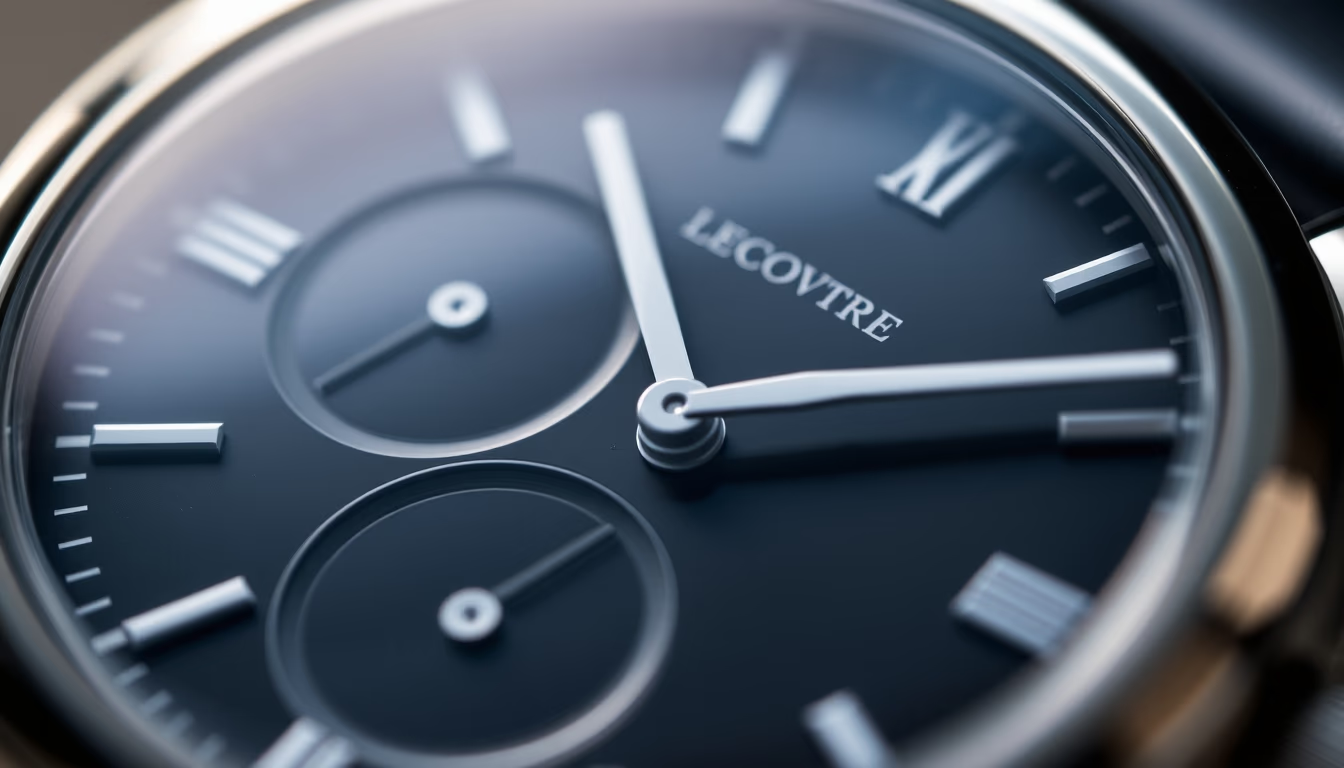
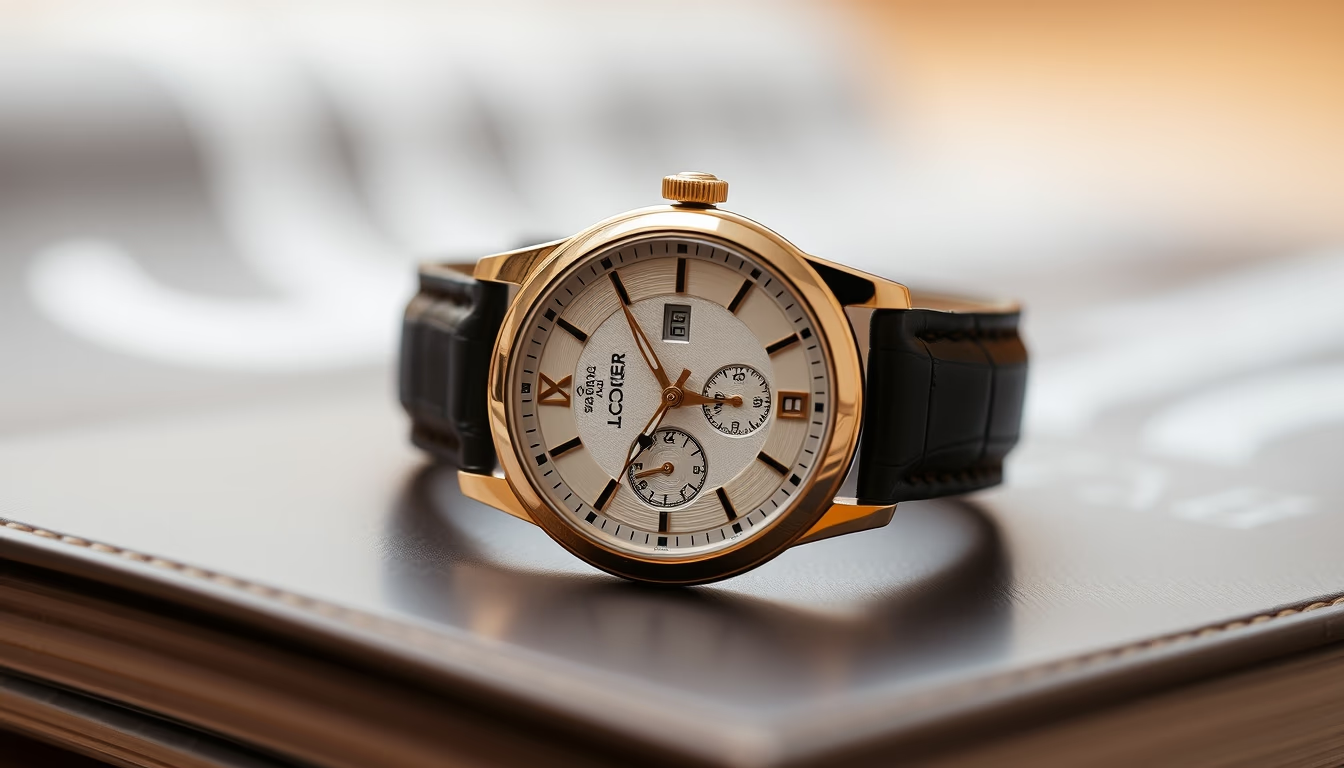
Detailed macro close-up of the iconic Jaeger-LeCoultre Reverso watch, showcasing its Art Deco dial and swiveling case, a symbol of elegance and engineering since 1931.
About this subject
The Jaeger-LeCoultre Reverso is one of the most recognizable watches in the world, launched in 1931 to meet a specific need: protecting the watch crystal during polo matches. Its rectangular case can rotate 180 degrees, exposing a solid metal reverse side that withstands impacts. This innovative mechanism, patented by the company, became the model's signature and an example of watchmaking engineering.
The Reverso's design is strongly influenced by the Art Deco movement, with straight lines, a clean dial, and applied Arabic numerals or indices. The case is elongated and elegant, available in various materials such as steel, gold, and platinum. Over the decades, the Reverso has evolved, gaining complications like chronograph, perpetual calendar, and even tourbillon, while maintaining the essence of the original model.
Beyond its practical function, the Reverso became a cultural icon, worn by personalities such as the Duke of Windsor, actor Gary Cooper, and Formula 1 driver Jackie Stewart. Its versatility allows it to be worn both in formal occasions and daily life, being one of the few watches that can be personalized with engravings on the case back.
The Reverso's movement is typically manual, such as the caliber 822 or 847, known for their reliability and impeccable finishing. Jaeger-LeCoultre maintains rigorous production, with each watch undergoing hundreds of hours of testing. The Reverso line has also inspired limited editions and collaborations, reaffirming its status as a timeless classic in horology.
Frequently Asked Questions
Why was the Jaeger-LeCoultre Reverso created?
It was created in 1931 to protect the watch crystal during polo matches, allowing the case to rotate 180 degrees and expose the metal back.
What characterizes the Art Deco design of the Reverso?
Straight lines, a clean dial, applied Arabic numerals or indices, and an elongated rectangular case, typical of the Art Deco style of the 1930s.
Is the Reverso an automatic or manual watch?
Most Reverso models have a manual movement, such as calibers 822 and 847, although automatic versions exist in special editions.
Direct URL
https://pub-c7d6a6ea828543ac903a74a341ccb2e1.r2.dev/imagens/jaeger-lecoultre-reverso-macro-closeup-fresh3.avifHow to credit
Include a visible link back to UtilizAí. Copy one of the snippets below:
<a href="https://xn--utiliza-eza.com/en/midia/imagens/jaeger-lecoultre-reverso-macro-closeup-fresh3">Jaeger lecoultre reverso</a> by <a href="https://xn--utiliza-eza.com">UtilizAí</a>, licensed under <a href="https://creativecommons.org/licenses/by/4.0/">CC BY 4.0</a>.
[Jaeger lecoultre reverso](https://xn--utiliza-eza.com/en/midia/imagens/jaeger-lecoultre-reverso-macro-closeup-fresh3) by [UtilizAí](https://xn--utiliza-eza.com), CC BY 4.0
License: CC-BY-4.0