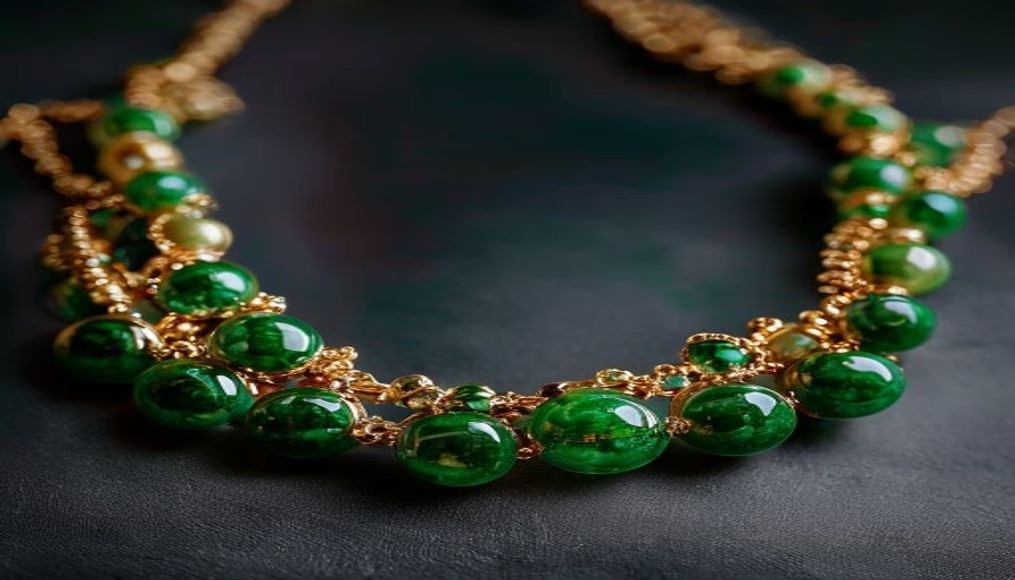
Jadeite bead necklace imperial green
1344×768 · AVIF · CC BY 4.0
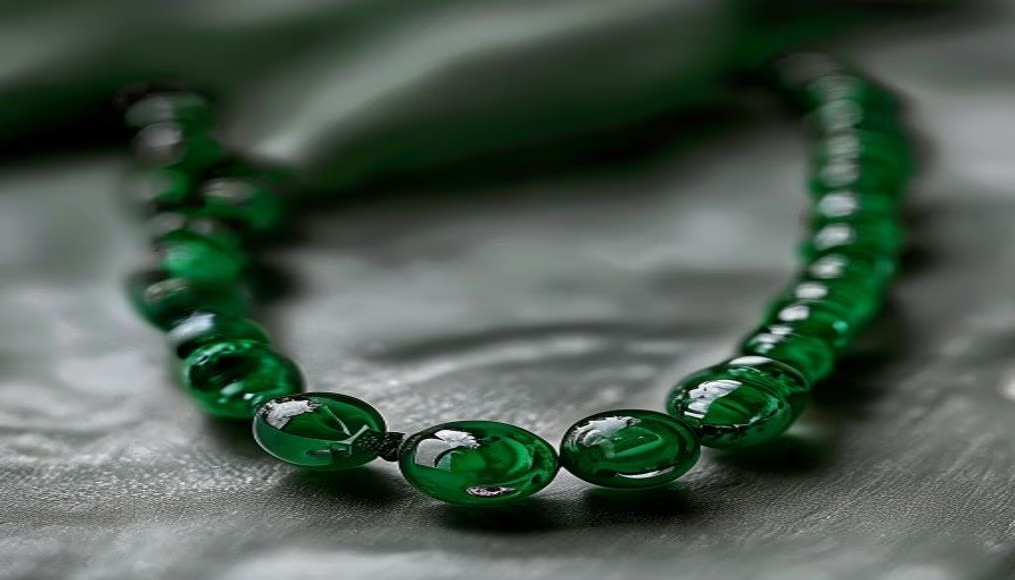
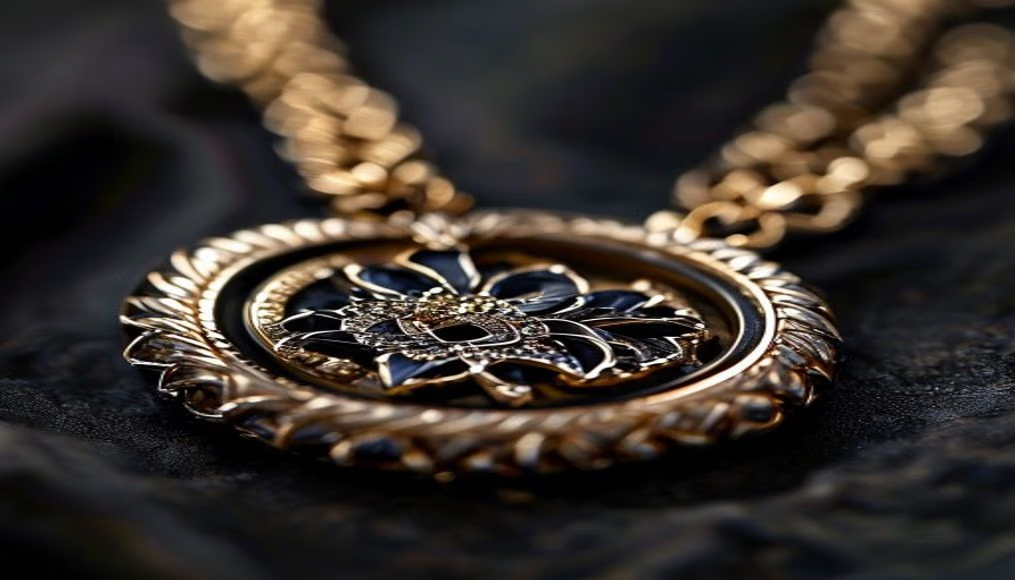
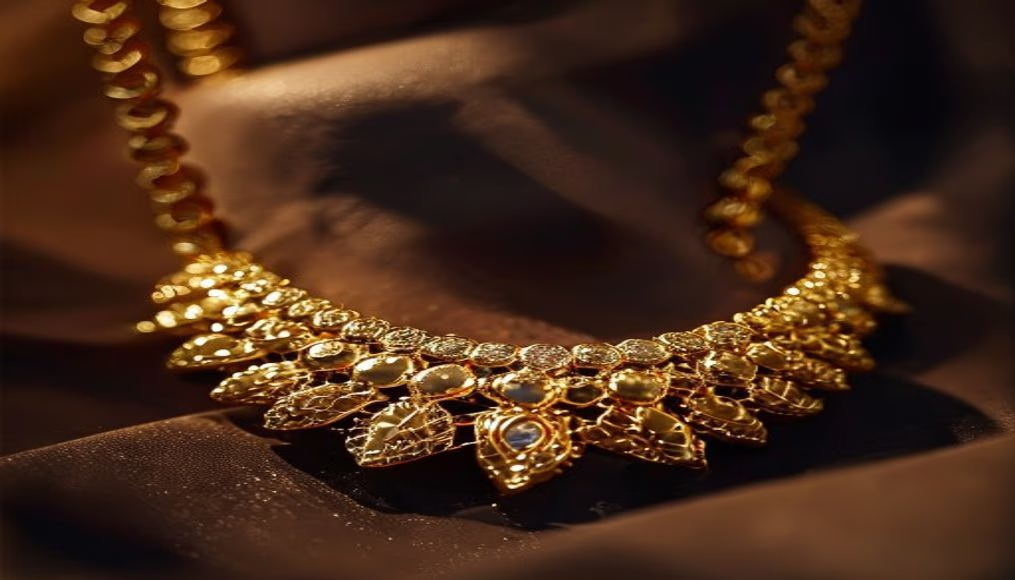
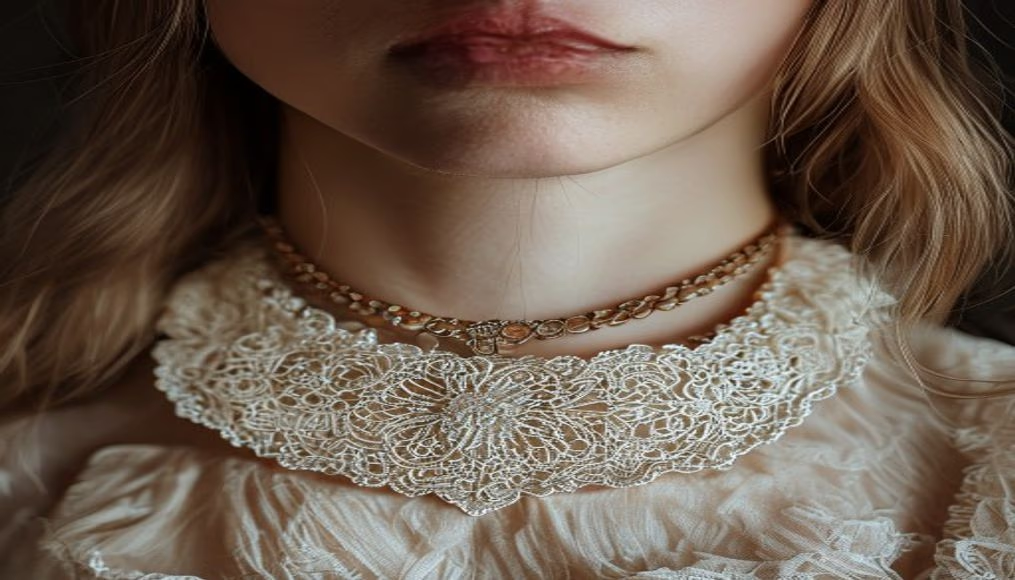
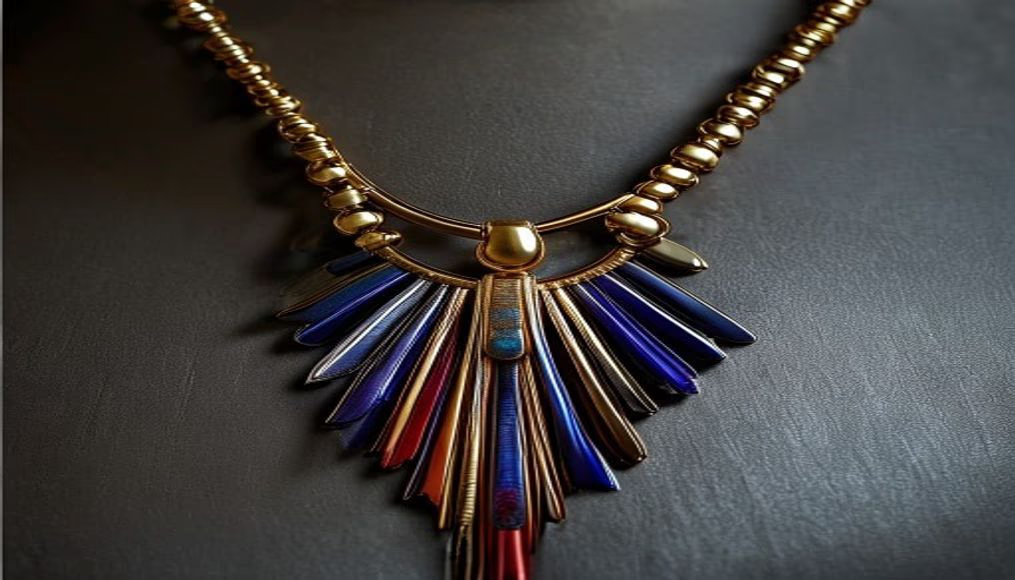
Imperial green jadeite bead necklace, one of the rarest and most valuable gems, symbol of purity and status in Chinese culture.
About this subject
Jadeite is a sodium-aluminum silicate belonging to the pyroxene group, and its imperial green variety is the most coveted. Unlike nephrite, the more common jade, jadeite has a denser crystal structure, giving it greater hardness (6.5-7 on Mohs scale) and an intense vitreous luster. The imperial green color, a vivid and uniform hue, results from traces of chromium and, to a lesser extent, iron. The most famous deposits are in Myanmar (formerly Burma), especially in the Mogok and Hpakant regions, where mining has been carried out for centuries using traditional methods.
In Chinese culture, jadeite is prized above gold and diamond, symbolizing virtue, purity, and protection. Emperor Qianlong (18th century) was a great admirer and promoted its exploitation. The imperial green bead necklace, known as "chaozhu" when worn by the court, signified the wearer's status. These pieces are often passed down as heirlooms and fetch millions at auctions, such as the 27-bead necklace of Empress Dowager Cixi, sold for over 20 million dollars.
Valuing an imperial green jadeite bead necklace considers color, transparency, texture, and absence of inclusions. Perfectly matched beads with identical hue and texture are extremely rare, costing over 100,000 dollars per bead. Authenticity is verified through gemological tests like refractometry, density, and Raman spectroscopy, as imitations include green quartz, glass, or polymer-treated jadeite. Today's luxury market views these pieces as safe investments, appreciating about 10% annually.
Frequently Asked Questions
What differentiates jadeite from nephrite?
Jadeite is rarer, harder, and more translucent than nephrite, with a vitreous luster. Nephrite has a fibrous texture and duller appearance. Imperial green color only occurs in jadeite.
Why is imperial green so expensive?
Imperial green is extremely rare, requiring a precise combination of chromium and purity. Historical demand from Chinese nobility and limited mining in Myanmar drive up prices.
How to identify a genuine jadeite necklace?
Genuine jadeite has a granular texture under magnification, a metallic sound when tapped, and high density. Gemological tests confirm authenticity, as imitations can be misleading.
Direct URL
https://pub-c7d6a6ea828543ac903a74a341ccb2e1.r2.dev/imagens/jadeite-bead-necklace-imperial-green-high-contrast-monochrome-luxury-luxo1.avifHow to credit
Include a visible link back to UtilizAí. Copy one of the snippets below:
<a href="https://xn--utiliza-eza.com/en/midia/imagens/jadeite-bead-necklace-imperial-green-high-contrast-monochrome-luxury-luxo1">Jadeite bead necklace imperial green</a> by <a href="https://xn--utiliza-eza.com">UtilizAí</a>, licensed under <a href="https://creativecommons.org/licenses/by/4.0/">CC BY 4.0</a>.
[Jadeite bead necklace imperial green](https://xn--utiliza-eza.com/en/midia/imagens/jadeite-bead-necklace-imperial-green-high-contrast-monochrome-luxury-luxo1) by [UtilizAí](https://xn--utiliza-eza.com), CC BY 4.0
License: CC-BY-4.0