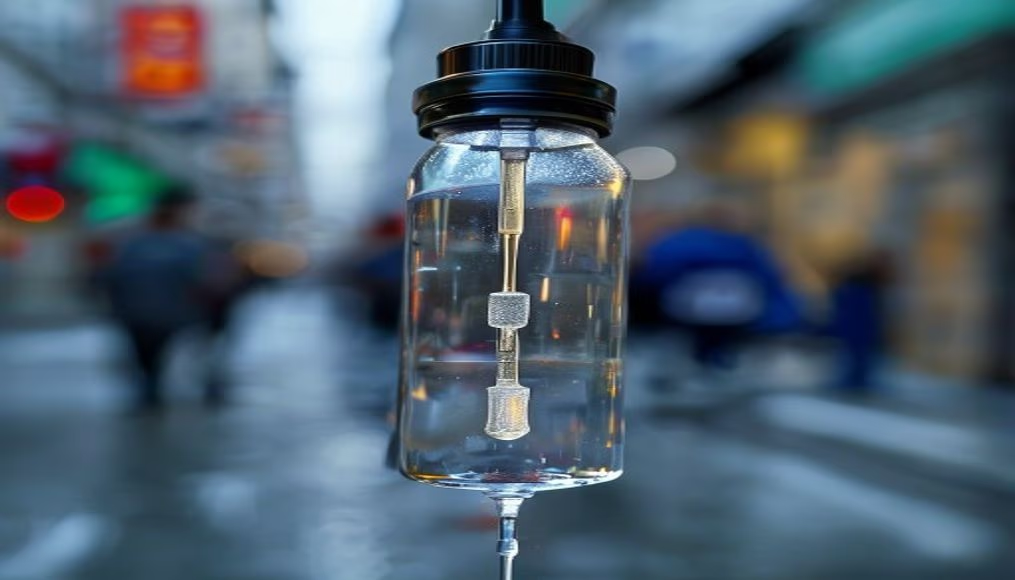
Iv drip bag close-up sterile
1344×768 · AVIF · CC BY 4.0

Sterile IV drip bag is essential for hydration and medication delivery in hospitals.
About this subject
The intravenous drip bag, also known as an infusion bag, is a sterile medical device used to administer fluids directly into the patient's bloodstream. Typically containing 0.9% sodium chloride (saline) or glucose solution, its primary function is to maintain or restore fluid and electrolyte balance, especially in cases of dehydration, surgeries, or prolonged treatments.
In Brazil, the use of IV bags is regulated by the National Health Surveillance Agency (ANVISA), which mandates strict sterility and quality controls. Each bag features a closed system with two ports: one for connecting the IV tubing and another for medication administration. Capacities range from 100 mL to 1000 mL, with 250 mL and 500 mL being the most common.
Historically, intravenous therapy was developed in the 19th century, but the flexible plastic bag was introduced in the 1950s, replacing glass bottles. This significantly reduced contamination risk and improved safety during transport and storage. Today, bags are made from materials like PVC or polyolefin and may include infusion pump systems for precise flow control.
A key point is that IV administration requires constant monitoring to avoid complications such as phlebitis or fluid overload. In Brazilian hospitals, nursing staff are trained to check bag integrity, expiration date, and particle presence before use. The IV bag is so common that in 2023, Brazil consumed over 200 million units, according to industry data.
Frequently Asked Questions
What is the typical composition of an IV drip bag?
The most common composition is 0.9% sodium chloride (saline) or 5% glucose. There are also solutions with added electrolytes, such as potassium, for specific replacement.
How is the sterility of the IV bag ensured?
Bags undergo sterilization processes like autoclaving or gamma radiation and are sealed in airtight packaging. ANVISA requires rigorous sterility and apyrogenicity tests.
What are the risks associated with IV fluid use?
Main risks include infection at the insertion site, phlebitis, fluid overload (especially in cardiac or renal patients), and allergic reactions. Continuous monitoring by healthcare staff minimizes these risks.
Direct URL
https://pub-c7d6a6ea828543ac903a74a341ccb2e1.r2.dev/imagens/iv-drip-bag-close-up-sterile-studio-editorial-portrait-v3.avifHow to credit
Include a visible link back to UtilizAí. Copy one of the snippets below:
<a href="https://xn--utiliza-eza.com/en/midia/imagens/iv-drip-bag-close-up-sterile-studio-editorial-portrait-v3">Iv drip bag close-up sterile</a> by <a href="https://xn--utiliza-eza.com">UtilizAí</a>, licensed under <a href="https://creativecommons.org/licenses/by/4.0/">CC BY 4.0</a>.
[Iv drip bag close-up sterile](https://xn--utiliza-eza.com/en/midia/imagens/iv-drip-bag-close-up-sterile-studio-editorial-portrait-v3) by [UtilizAí](https://xn--utiliza-eza.com), CC BY 4.0
License: CC-BY-4.0