Iron kettle tetsubin
1344×768 · AVIF · CC BY 4.0
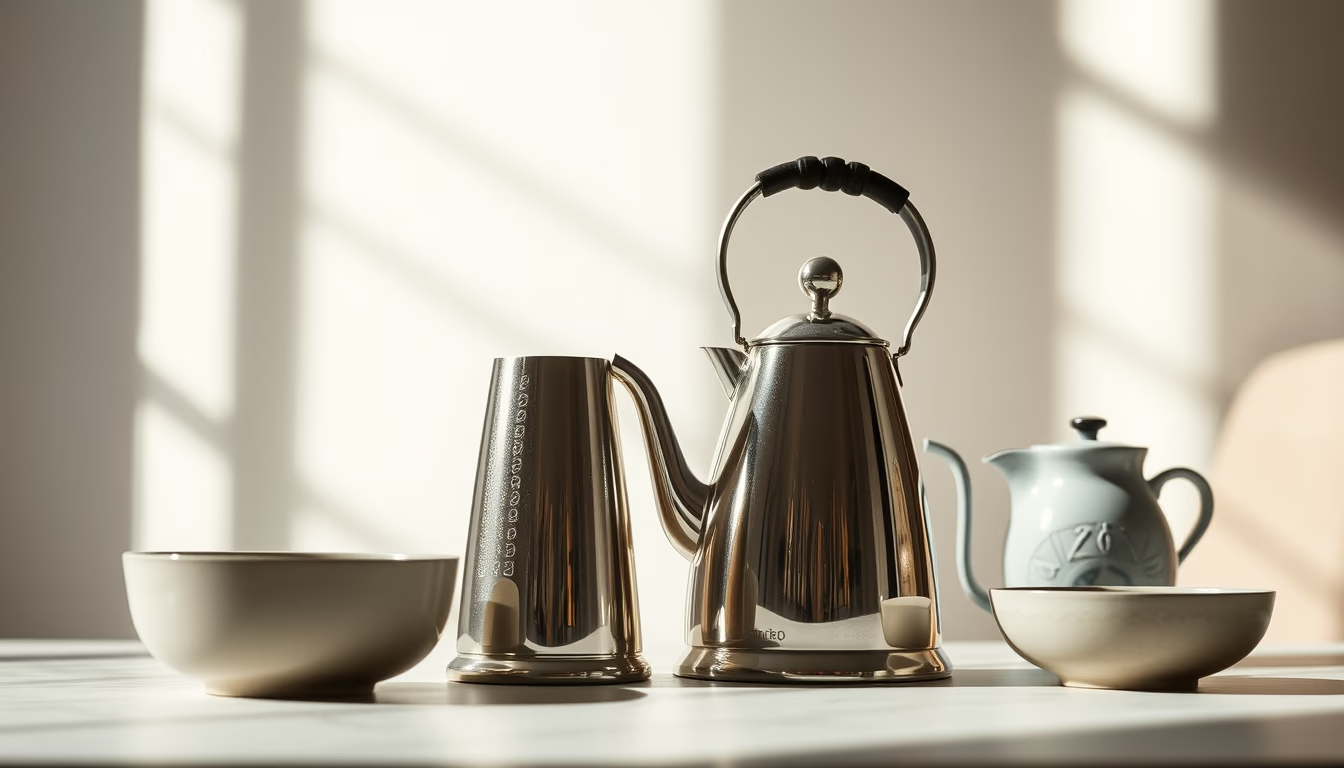
The tetsubin is a Japanese cast iron kettle, essential in tea ceremonies and valued for its durability and minimalist aesthetic.
About this subject
The tetsubin, a traditional Japanese cast iron kettle, originated in the Edo period (17th century) when blacksmiths began crafting robust vessels for boiling water. Initially used solely for heating water, the tetsubin evolved into a central element in the tea ceremony (chanoyu), where its rough surface and austere design contrast with the delicacy of ceramic tea bowls. Made of cast iron, it retains heat longer and, with use, develops an internal oxide layer that prevents rust and may subtly enrich the water with iron, altering the tea's flavor.
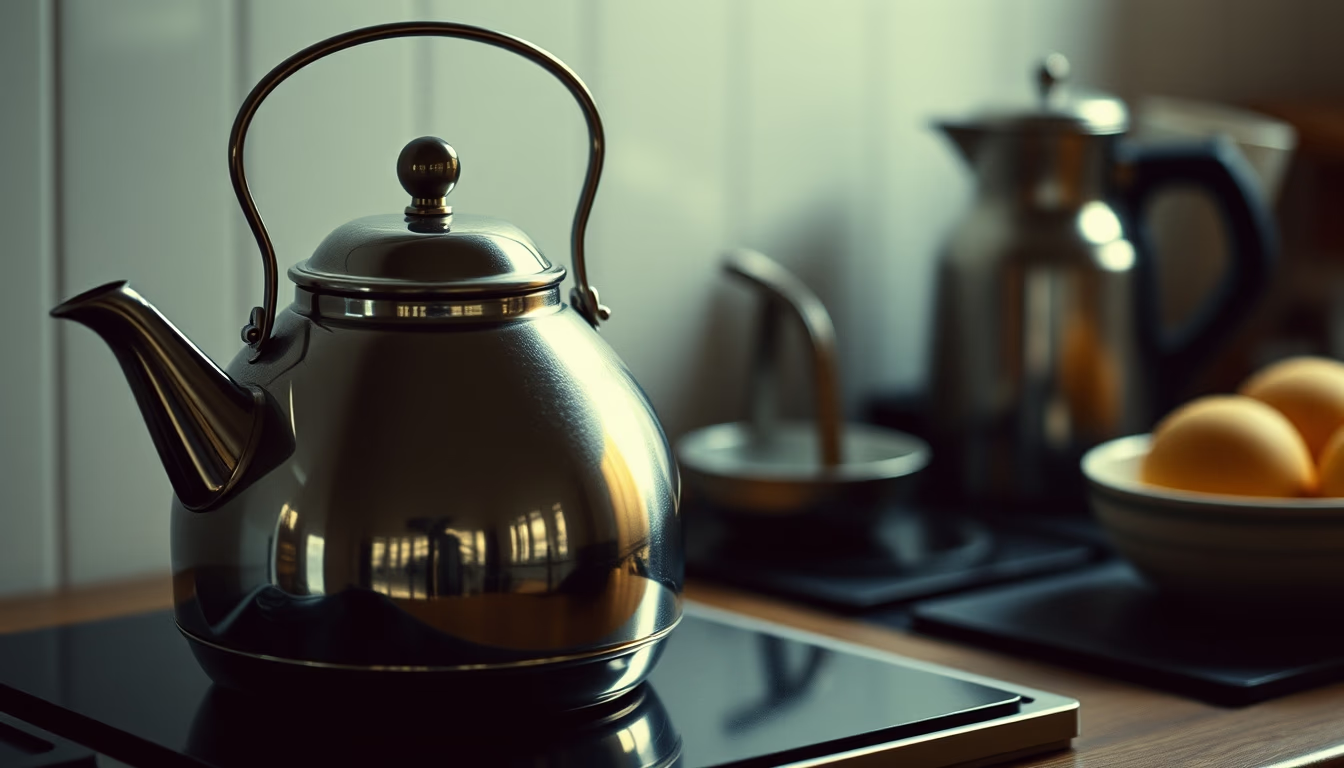
Tetsubins often feature embossed patterns inspired by nature, such as waves, flowers, or landscapes, and include a wire handle (tsuru) and an iron lid with a knob (kan). Handcrafted production still thrives in regions like Iwate Prefecture, known for iron craftsmanship, where families maintain centuries-old techniques. Unlike common kettles, tetsubins are not enameled inside, requiring specific care: they must be completely dried after use to prevent rust and should not be used to boil water with soap.
In Japanese culture, the tetsubin symbolizes simplicity and functionality, aligning with the wabi-sabi aesthetic that values beauty in imperfection and rusticity. Though associated with the tea ceremony, many Japanese households use it daily for brewing green tea, as the iron is believed to enhance umami flavor. Today, the tetsubin has gained global popularity as a decorative item and a utensil for tea enthusiasts, with enameled versions also produced for easier maintenance.
Frequently Asked Questions
What is the difference between an authentic tetsubin and a common iron kettle?
An authentic tetsubin is made of unenameled cast iron, crafted by skilled artisans with design focused on the tea ceremony. Common kettles may have enamel coating or be mass-produced without the same aesthetic or functional care.
How do I care for a tetsubin to prevent rust?
After use, empty any remaining water and dry the interior thoroughly with a clean cloth. Leave the lid open until completely dry. Avoid detergents or abrasive scrubbers. Over time, a protective oxide layer forms that prevents rust.
Can a tetsubin be used on an electric or induction stove?
Yes, a cast iron tetsubin works on any stove type, including electric, gas, and induction. Avoid heating it empty to prevent damage. It is advisable to use a metal or ceramic base to protect the stove surface.
Direct URL
https://pub-c7d6a6ea828543ac903a74a341ccb2e1.r2.dev/imagens/iron-kettle-tetsubin-minimalist-composition-fresh10.avifHow to credit
Include a visible link back to UtilizAí. Copy one of the snippets below:
<a href="https://xn--utiliza-eza.com/en/midia/imagens/iron-kettle-tetsubin-minimalist-composition-fresh10">Iron kettle tetsubin</a> by <a href="https://xn--utiliza-eza.com">UtilizAí</a>, licensed under <a href="https://creativecommons.org/licenses/by/4.0/">CC BY 4.0</a>.
[Iron kettle tetsubin](https://xn--utiliza-eza.com/en/midia/imagens/iron-kettle-tetsubin-minimalist-composition-fresh10) by [UtilizAí](https://xn--utiliza-eza.com), CC BY 4.0
License: CC-BY-4.0