Iron kettle tetsubin
1344×768 · AVIF · CC BY 4.0
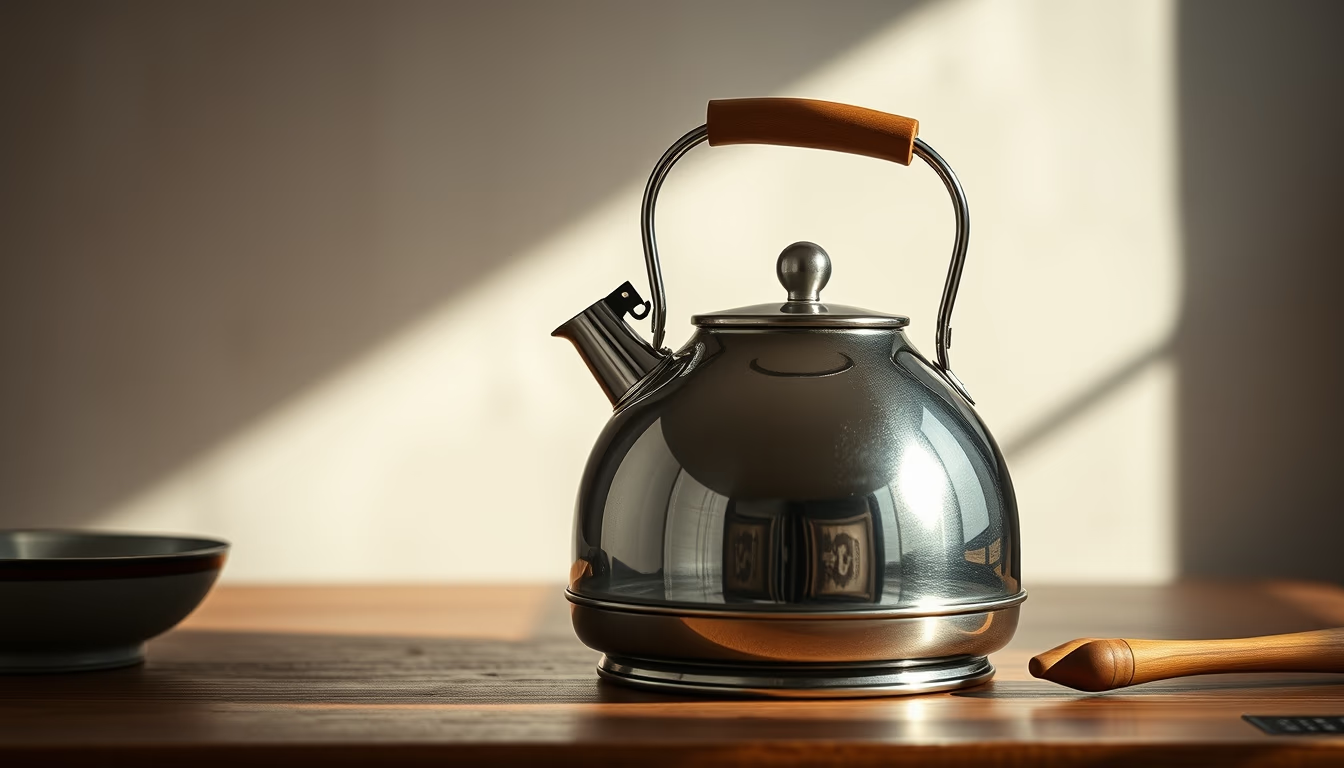
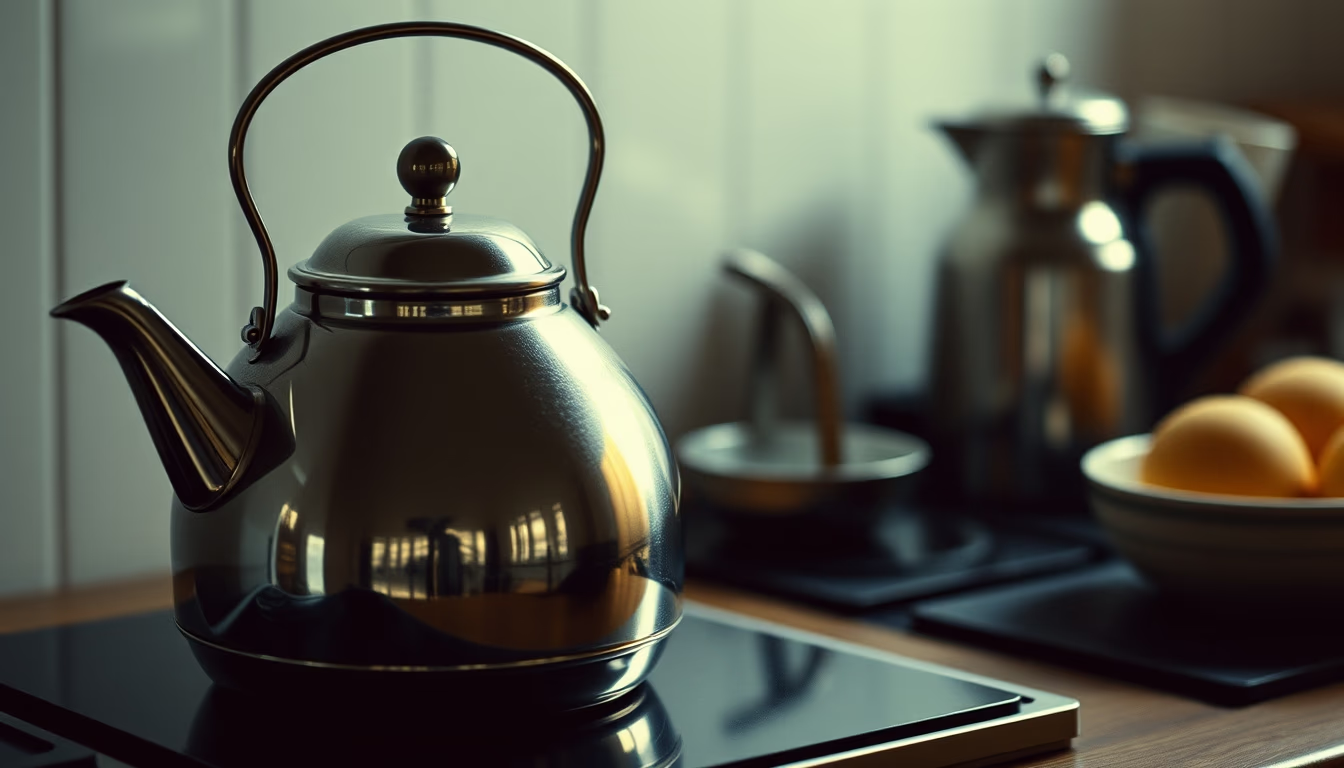
The tetsubin is a Japanese iron kettle used in tea ceremony, prized for its aesthetics and heat retention.
About this subject
The tetsubin, a Japanese iron kettle, originated in 18th-century Japan when metalworkers adapted weapons-casting techniques to create tea utensils. These kettles gained prominence during the Edo period (1603, 1868) as the tea ceremony became popular among samurai and merchants. Unlike clay or copper kettles, the tetsubin does not rust and retains water heat longer due to its thick cast iron walls.
Crafting a tetsubin is an artisanal process involving sand or lost-wax molds. Each piece is unique, featuring reliefs, textures, or inscriptions that reflect the craftsman's school. The most famous tetsubin come from Iwate (Nanbu ironware) and Yamagata prefectures. Modern kettles may have an enamel interior to prevent rust, but traditional ones rely on a protective oxide film.
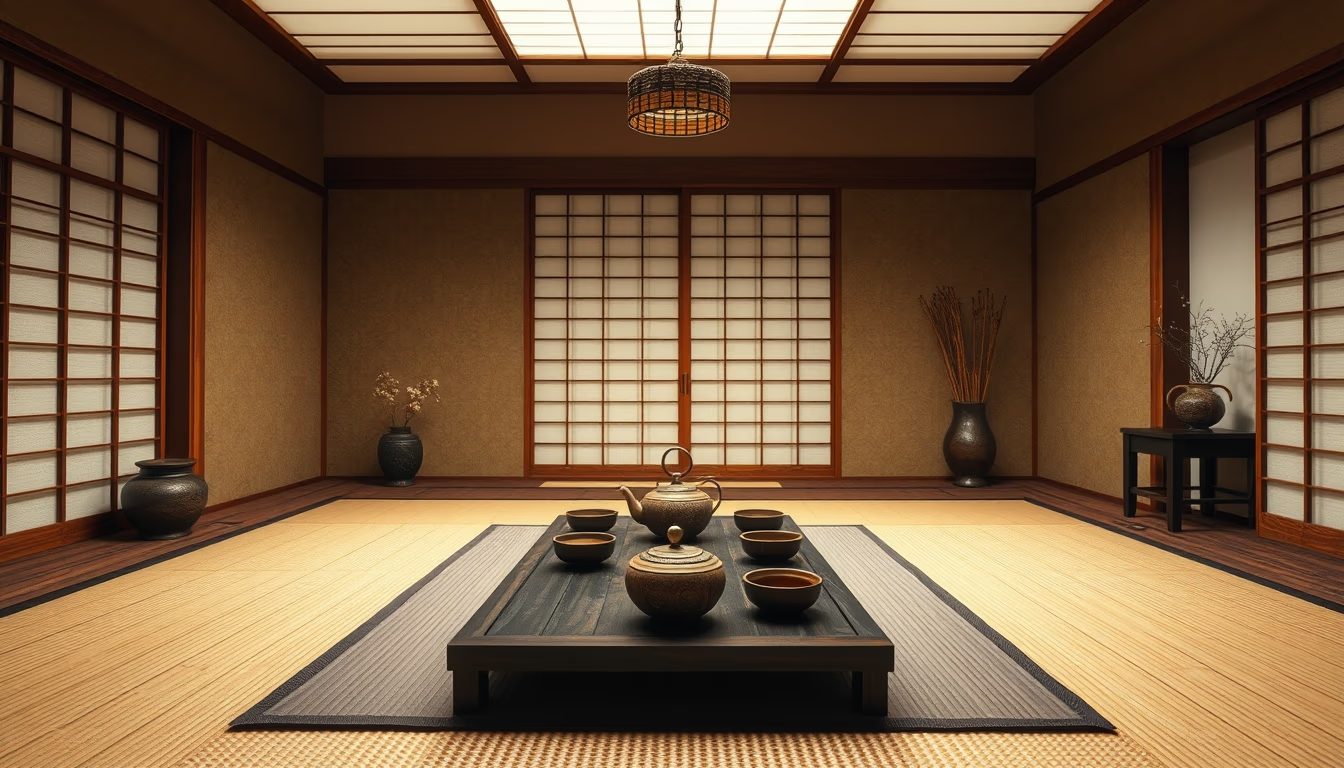
Today, tetsubin is iconic in the tea ceremony, but originally it was used for boiling water for baths or cooking rice. In the 19th century, as Japan opened to the West, it became a decorative and collectible item. During the tea ceremony, the tetsubin heats water on a hibachi (brazier) and is handled with silk cloths to avoid burns. The sound of boiling water, called the 'song of the tetsubin', is appreciated as part of the sensory experience.
Caring for a tetsubin requires attention: never use detergent, only hot water and a soft brush. After use, dry it completely over low heat to avoid moisture. The inner patina (controlled rust) is not a defect but a protective layer. Thus, many tetsubin are passed down through generations, accumulating memories and subtle flavor in the water.
Frequently Asked Questions
What is the difference between a tetsubin and a regular kettle?
A tetsubin is made of cast iron, providing superior heat retention and durability. Its handcrafted design and the inner patina that develops over time are unique features not found in industrial kettles.
Can I use a tetsubin on an electric or induction stove?
It depends on the model. Traditional tetsubin with a flat bottom can be used on gas or charcoal stoves, but electric or induction stoves may damage the surface. Check with the manufacturer.
How do I clean a tetsubin without damaging the protective layer?
Rinse only with hot water and use a soft brush to remove residues. Never use soap. Dry completely by heating the empty kettle for a few minutes to prevent excessive rust.
Direct URL
https://pub-c7d6a6ea828543ac903a74a341ccb2e1.r2.dev/imagens/iron-kettle-tetsubin-magazine-editorial-fresh12.avifHow to credit
Include a visible link back to UtilizAí. Copy one of the snippets below:
<a href="https://xn--utiliza-eza.com/en/midia/imagens/iron-kettle-tetsubin-magazine-editorial-fresh12">Iron kettle tetsubin</a> by <a href="https://xn--utiliza-eza.com">UtilizAí</a>, licensed under <a href="https://creativecommons.org/licenses/by/4.0/">CC BY 4.0</a>.
[Iron kettle tetsubin](https://xn--utiliza-eza.com/en/midia/imagens/iron-kettle-tetsubin-magazine-editorial-fresh12) by [UtilizAí](https://xn--utiliza-eza.com), CC BY 4.0
License: CC-BY-4.0