Iron kettle tetsubin
1344×768 · AVIF · CC BY 4.0
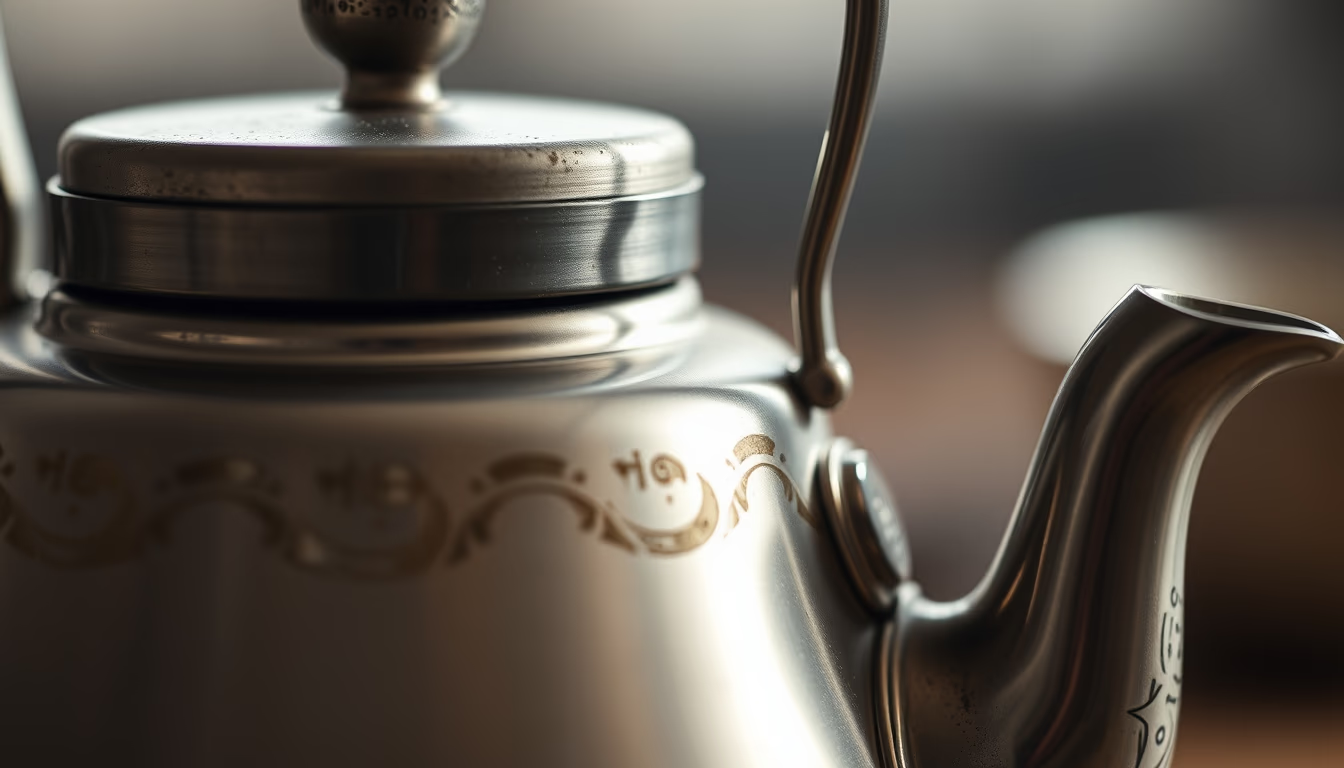
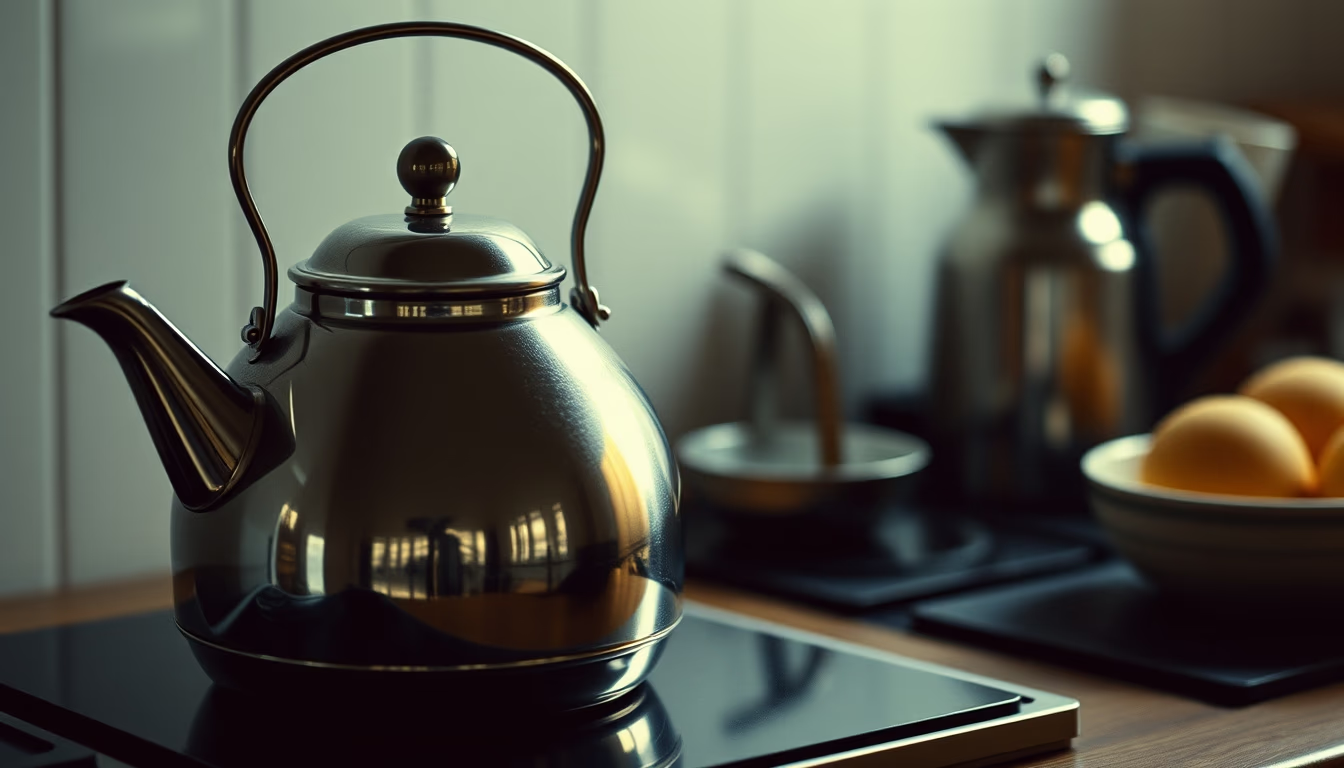
The tetsubin is a Japanese cast iron kettle, essential in the chanoyu tea ceremony, renowned for its craftsmanship and ability to enhance water flavor.
About this subject
The tetsubin is a traditional Japanese cast iron kettle, primarily used to boil water for the tea ceremony, known as chanoyu. Unlike other utensils, it is not used for brewing tea directly but only for heating water that is then poured over leaves in a separate vessel. Its origins trace back to the Edo period (1603-1868), when blacksmiths began producing these kettles using sand molds, creating unique pieces with embossed decorations such as dragons, flowers, or landscapes. The design includes an elongated spout, a swinging iron handle (tetsubin), and a lid often topped with a metal knob.
The cultural significance of the tetsubin extends beyond function: the iron is believed to add minerals to the water, resulting in a smoother, fuller flavor ideal for teas like matcha and sencha. The material's even heat distribution allows for stable temperature maintenance, crucial in ceremonies that demand precision. Handcrafting involves techniques varying by region, such as those from Morioka and Nambu, famed for high quality. Each tetsubin is unique, taking days or weeks to complete.
Interestingly, the tetsubin should not be cleaned with chemicals or scrubbed with steel wool, as the internal rust layer (patina) protects the metal and prevents flavor contamination. With proper use, the kettle can last generations and become a family heirloom. In the West, tetsubin popularity grew with interest in Japanese culture, but many modern pieces are made of enameled iron or aluminum, lacking the same benefits.
Frequently Asked Questions
What is the difference between a tetsubin and a regular kettle?
A tetsubin is handcrafted cast iron, designed to heat water slowly and enrich it with minerals, resulting in a softer taste. Regular kettles are typically stainless steel or aluminum and do not add flavor.
Why is the tetsubin important in the Japanese tea ceremony?
In the chanoyu ceremony, water quality is paramount. The tetsubin heats evenly and maintains stable temperature, while releasing trace iron that enhances tea flavor. Its aesthetics and boiling sound are also valued.
How to care for a tetsubin to last many years?
Avoid soap and detergents. After use, dry the kettle over heat to remove moisture. Never boil chlorinated water or brew tea directly in it. The internal rust layer should not be removed as it protects the metal.
Direct URL
https://pub-c7d6a6ea828543ac903a74a341ccb2e1.r2.dev/imagens/iron-kettle-tetsubin-macro-closeup-fresh9.avifHow to credit
Include a visible link back to UtilizAí. Copy one of the snippets below:
<a href="https://xn--utiliza-eza.com/en/midia/imagens/iron-kettle-tetsubin-macro-closeup-fresh9">Iron kettle tetsubin</a> by <a href="https://xn--utiliza-eza.com">UtilizAí</a>, licensed under <a href="https://creativecommons.org/licenses/by/4.0/">CC BY 4.0</a>.
[Iron kettle tetsubin](https://xn--utiliza-eza.com/en/midia/imagens/iron-kettle-tetsubin-macro-closeup-fresh9) by [UtilizAí](https://xn--utiliza-eza.com), CC BY 4.0
License: CC-BY-4.0