Iron kettle tetsubin
1344×768 · AVIF · CC BY 4.0
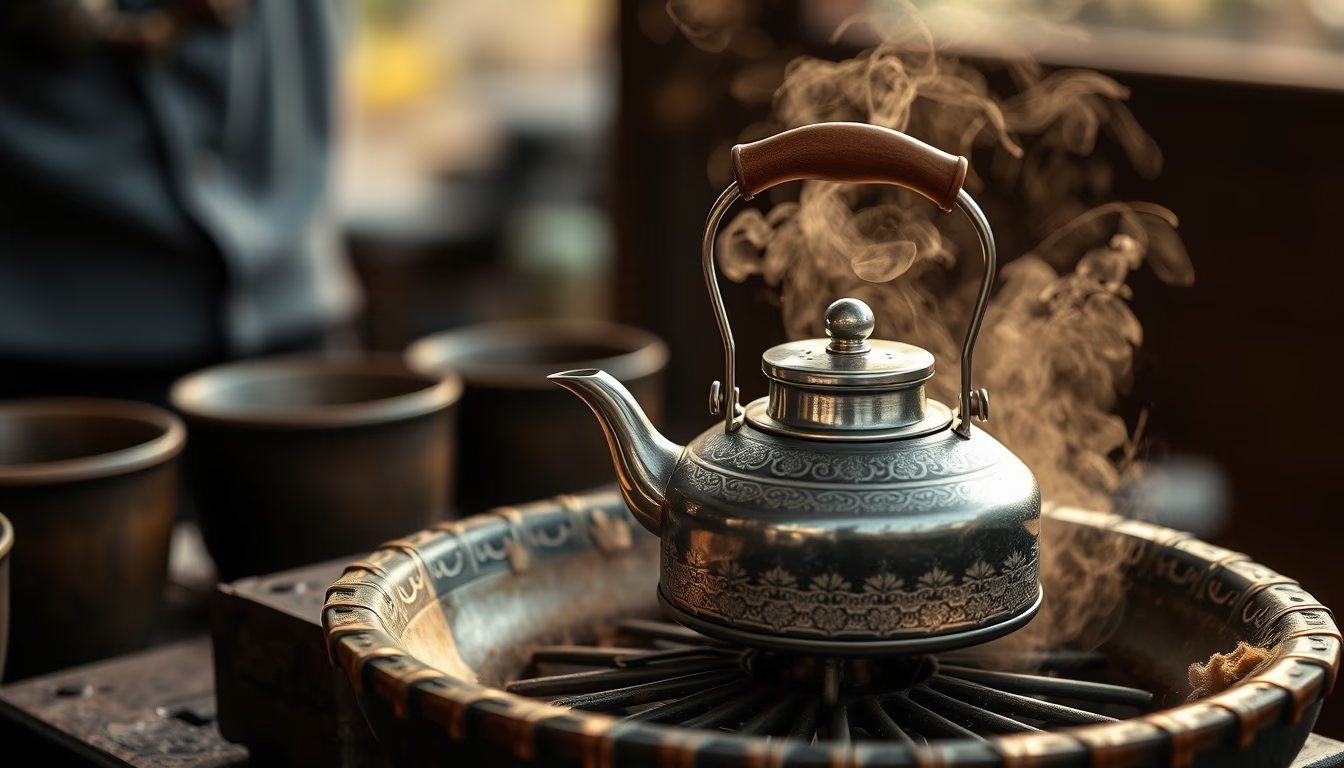
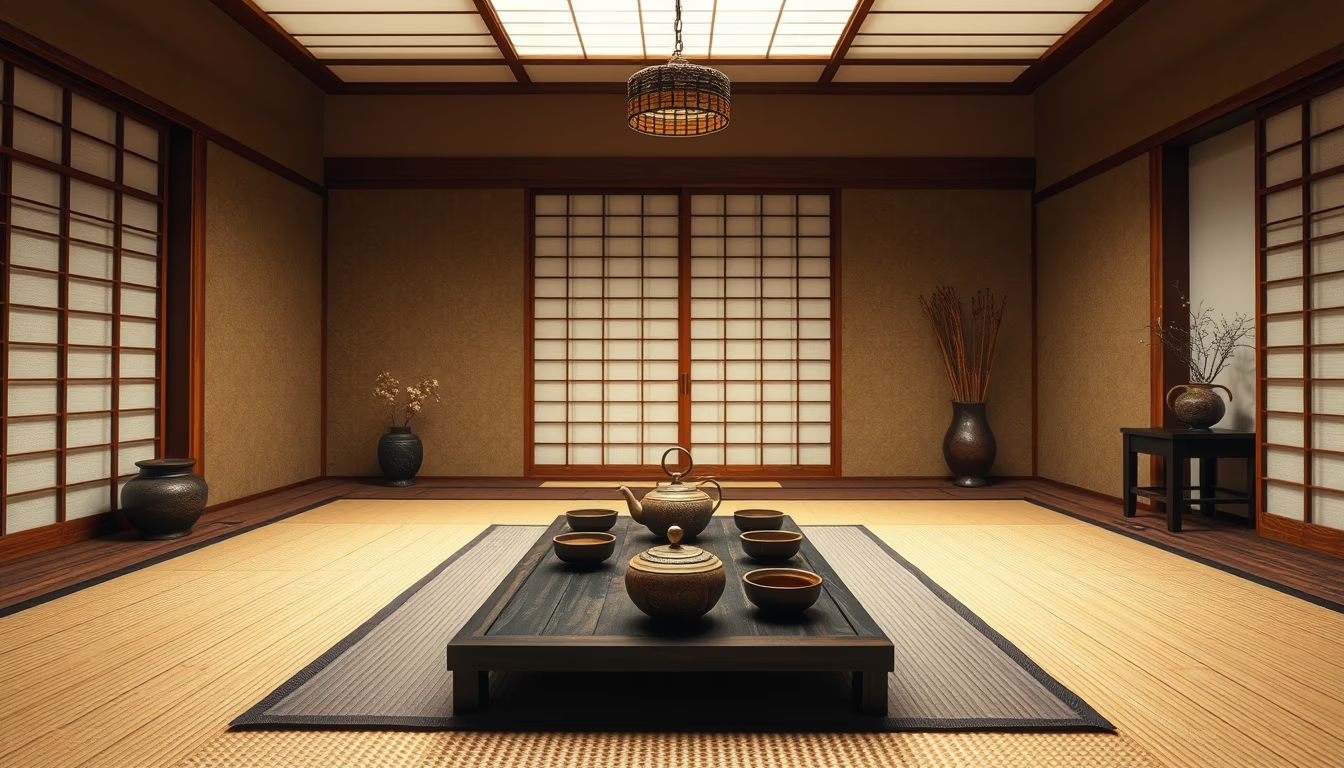
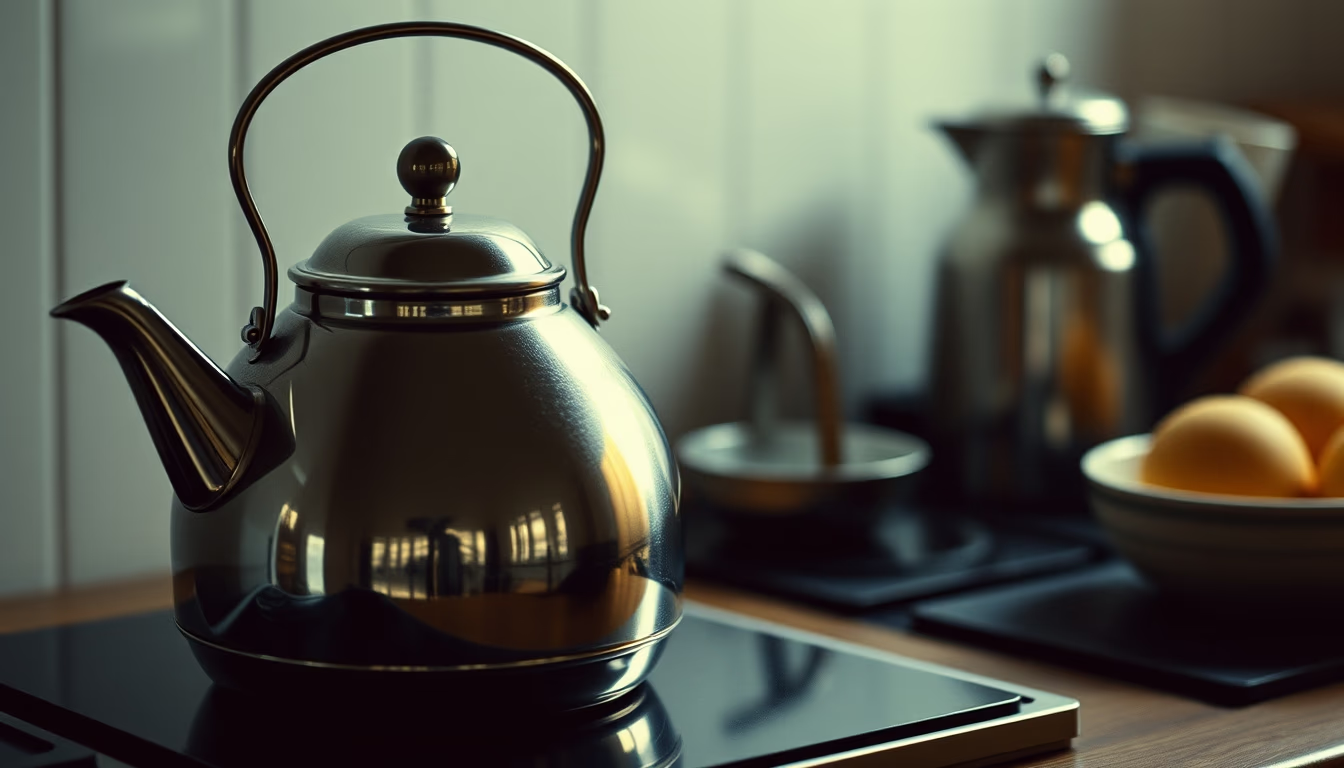
A traditional Japanese iron kettle used in tea ceremonies, the tetsubin is valued for its heat retention and ability to enhance the water's flavor.
About this subject
The tetsubin is a cast-iron kettle originating from Japan, with a history dating back to the Edo period (1603-1868). Unlike Western iron kettles, the tetsubin began as a utilitarian item for boiling water, but gradually became a central piece in the Japanese tea ceremony, known as chanoyu. Its interior surface is often coated with enamel or treated to prevent rust, and many models feature artistic reliefs or low-relief designs.
Manufacturing a tetsubin involves ancient casting techniques, primarily in the Iwate and Yamagata prefectures, regions known for high-quality iron. This process requires sand molds and molten iron, followed by manual finishing. Each piece is unique, reflecting the craftsmanship of the master caster. The shape and weight are designed to distribute heat evenly, which is essential for extracting the delicate flavor of green tea.
Beyond its practical function, the tetsubin carries deep aesthetic significance. In the wabi-sabi aesthetic, beauty lies in imperfection and simplicity. Cracks, signs of use, and the patina acquired over time are valued as part of the object's history. Some tetsubin are handed down through generations as family heirlooms. To maintain its quality, it is recommended to never use soap for cleaning, only hot water and occasionally boiling used tea leaves to create a protective inner layer.
Interestingly, the tetsubin should not be confused with the kyusu, a clay teapot for brewing tea, or the dōbin, a metal kettle for serving. The tetsubin exclusively boils water; tea is prepared in another vessel. This specialization demonstrates the complexity and ritualistic nature of Japanese tea culture.
Frequently Asked Questions
What is the difference between a tetsubin and a regular iron kettle?
A tetsubin is specifically designed for boiling water for Japanese tea, with a shape that retains heat evenly. Many Western iron kettles are enameled inside, while a tetsubin often has a treated or uncoated interior, requiring special care to prevent rust.
How should I care for a tetsubin?
Never use soap or detergent. Rinse with hot water only and dry thoroughly. Periodically, boil water with used tea leaves to create a protective layer. Avoid leaving standing water inside the kettle.
Can a tetsubin be used on a stove?
Yes, most tetsubin are suitable for gas, electric, or induction stoves, but check the manufacturer's instructions. Avoid high heat to prevent damaging the outer finish.
Direct URL
https://pub-c7d6a6ea828543ac903a74a341ccb2e1.r2.dev/imagens/iron-kettle-tetsubin-documentary-nature-style-fresh14.avifHow to credit
Include a visible link back to UtilizAí. Copy one of the snippets below:
<a href="https://xn--utiliza-eza.com/en/midia/imagens/iron-kettle-tetsubin-documentary-nature-style-fresh14">Iron kettle tetsubin</a> by <a href="https://xn--utiliza-eza.com">UtilizAí</a>, licensed under <a href="https://creativecommons.org/licenses/by/4.0/">CC BY 4.0</a>.
[Iron kettle tetsubin](https://xn--utiliza-eza.com/en/midia/imagens/iron-kettle-tetsubin-documentary-nature-style-fresh14) by [UtilizAí](https://xn--utiliza-eza.com), CC BY 4.0
License: CC-BY-4.0