Ice cream scoop melting
1344×768 · AVIF · CC BY 4.0
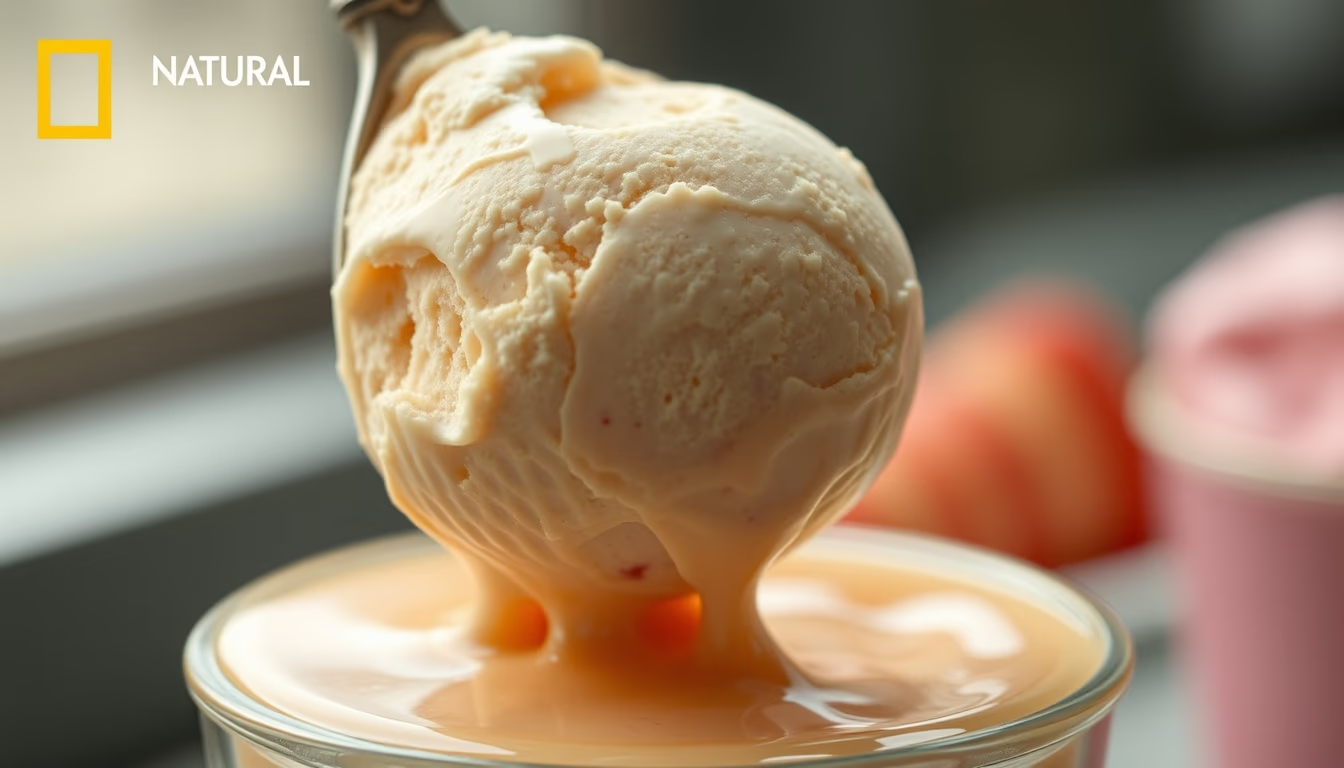
Explore the science behind a melting ice cream scoop: texture, temperature, and ingredients that define this creamy phenomenon.
About this subject
The melting of an ice cream scoop is a fascinating physicochemical process. When exposed to ambient heat, the ice in the mixture begins to melt, releasing liquid water that dissolves part of the sugar and proteins. The melting rate depends directly on ambient temperature, the type of fat used (such as cream or milk), and the amount of air incorporated during churning. Artisanal ice creams, with higher fat content and less air, tend to melt more slowly than industrial ones, which can have up to 100% overrun (volume expansion).
The texture of the ice cream as it melts also reveals its quality. A well-emulsified ice cream forms a homogeneous syrup, while a poorly processed one may separate into water and fat. Ingredients like stabilizers (guar gum, carrageenan) and emulsifiers (such as soy lecithin) slow down melting and improve mouthfeel. Additionally, the freezing point is lowered by the presence of sugars, keeping the ice cream soft even below 0°C.
Culturally, ice cream is a summer icon and a symbol of indulgence. Its origins trace back to ancient China, where snow was mixed with fruits and honey. In the West, it became popular in the 17th century with the opening of the first ice cream parlors in Paris. Today, the global ice cream market is worth billions of dollars, with variations like Italian gelato (low fat, denser) and American soft serve (high overrun, airy texture). The melting moment, captured in images, symbolizes the ephemeral nature of pleasure and everyday chemistry.
Frequently Asked Questions
Why does ice cream melt faster on hot days?
Heat accelerates energy transfer to the ice cream, raising its temperature above the melting point. Fat and sugar lower this point, but high ambient temperature overcomes the resistance.
What is the difference between artisanal and industrial ice cream in melting?
Artisanal ice cream has higher fat content and less air (low overrun), melting more slowly. Industrial varieties incorporate more air and use stabilizers, resulting in faster melting and less creamy texture.
What makes ice cream melt evenly?
A stable emulsion, achieved with ingredients like egg yolks or emulsifiers, prevents water and fat separation. This ensures melting produces a uniform syrup without lumps.
Direct URL
https://pub-c7d6a6ea828543ac903a74a341ccb2e1.r2.dev/imagens/ice-cream-scoop-melting-national-geographic-style-p0.avifHow to credit
Include a visible link back to UtilizAí. Copy one of the snippets below:
<a href="https://xn--utiliza-eza.com/en/midia/imagens/ice-cream-scoop-melting-national-geographic-style-p0">Ice cream scoop melting</a> by <a href="https://xn--utiliza-eza.com">UtilizAí</a>, licensed under <a href="https://creativecommons.org/licenses/by/4.0/">CC BY 4.0</a>.
[Ice cream scoop melting](https://xn--utiliza-eza.com/en/midia/imagens/ice-cream-scoop-melting-national-geographic-style-p0) by [UtilizAí](https://xn--utiliza-eza.com), CC BY 4.0
License: CC-BY-4.0