Hummus pita olive oil
1344×768 · AVIF · CC BY 4.0
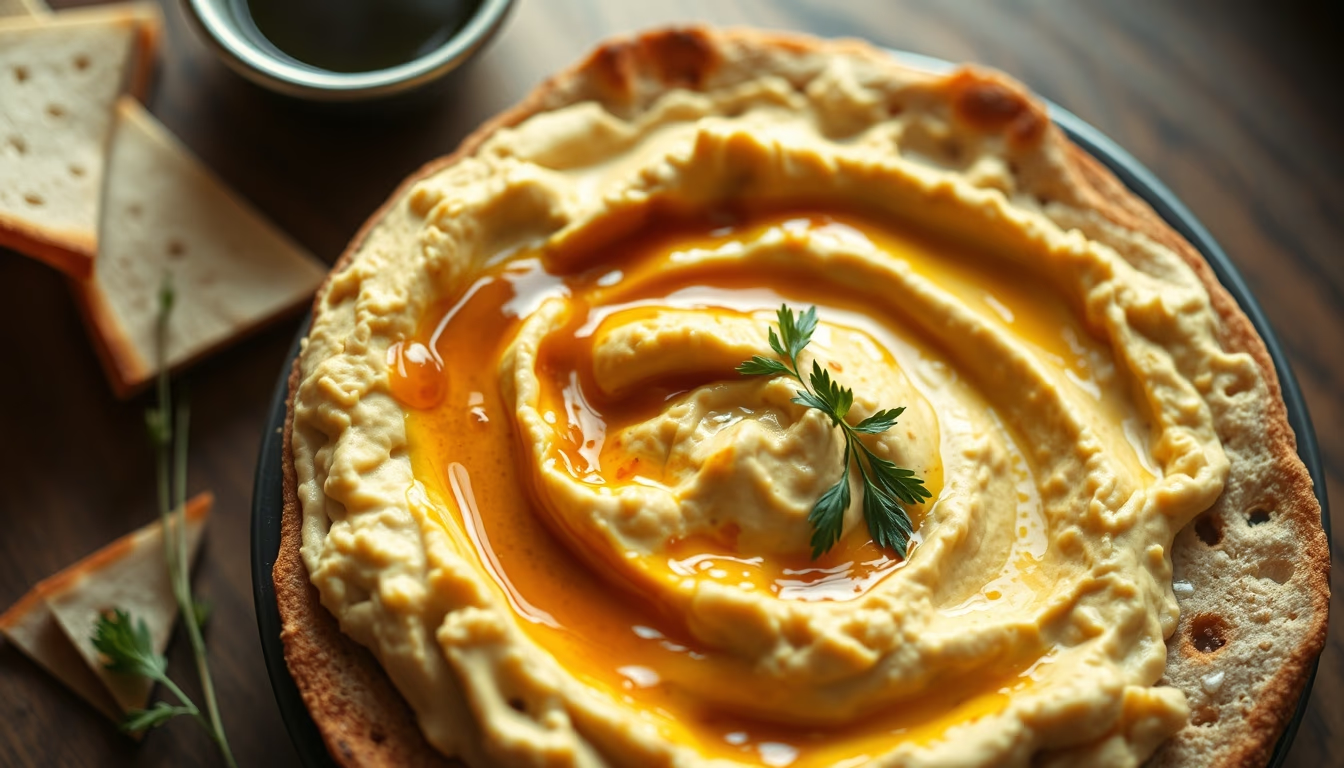
Hummus with pita and olive oil: a traditional Middle Eastern dish rich in history and flavor. Discover its origins, variations, and nutritional benefits.
About this subject
Hummus is a creamy spread made from cooked chickpeas, tahini (sesame paste), lemon juice, garlic, and olive oil. Its origins trace back to ancient Egypt, where chickpeas were cultivated for millennia, but the modern recipe spread throughout the Levant, especially in Lebanon, Syria, Israel, and Palestine. The dish has become a symbol of Middle Eastern cuisine, eaten as an appetizer or light meal, accompanied by pita bread, a type of flatbread that puffs up when baked, forming a perfect pocket for dipping into hummus.
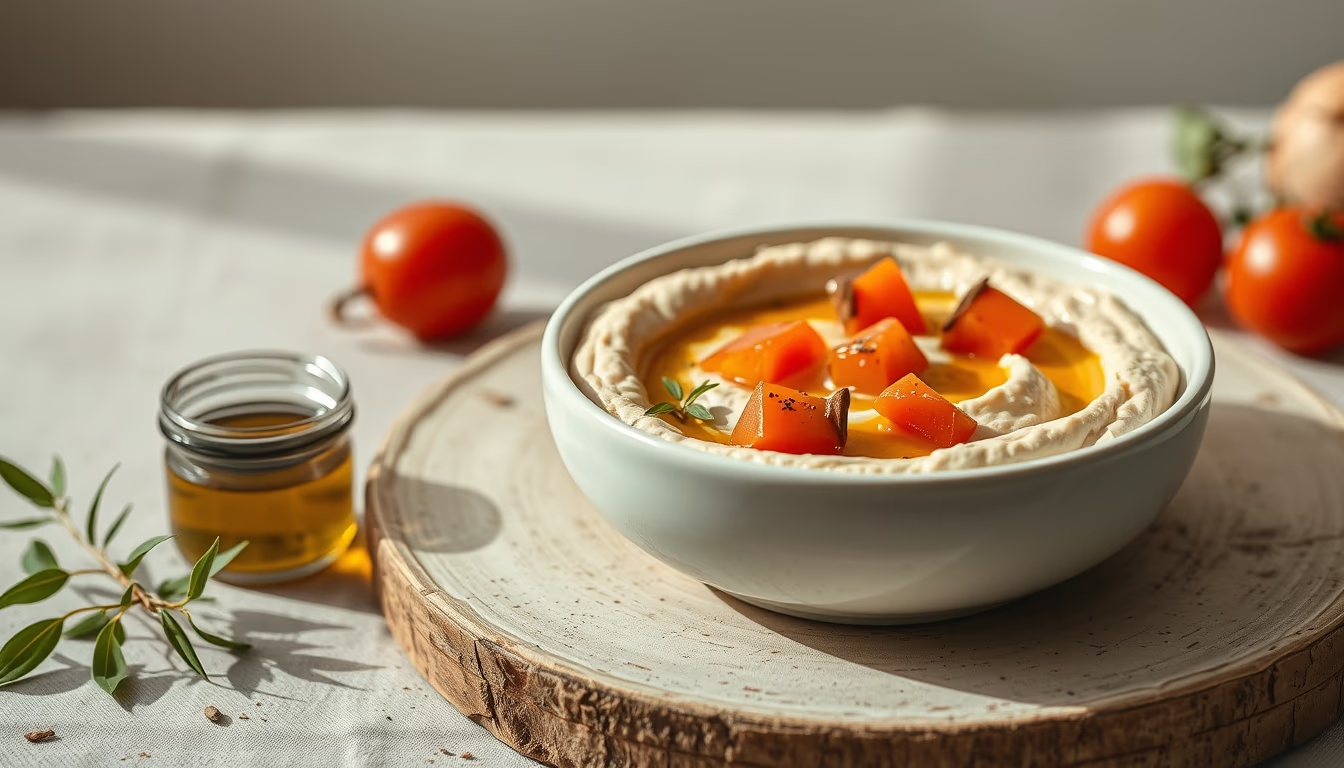
Olive oil is a key ingredient: drizzled on top, it enhances flavor and provides antioxidants. Hummus is nutritious, rich in plant protein, fiber, and iron, making it a popular choice among vegans and vegetarians. Many variations exist, such as hummus with beets, roasted bell peppers, or spiced meat toppings. In Israel, hummus is often served with a boiled egg, chopped onion, and pomegranate seeds, while in Greece it is common to add olives and black pepper.
Pita is a wheat leavened bread baked at high heat, causing it to inflate and form a pocket. It originated in the Middle East and has been consumed since ancient times. Cutting the pita in half yields two pockets that can be stuffed with falafel, salad, or hummus. The soft yet slightly chewy texture contrasts nicely with the creaminess of hummus.
Extra virgin olive oil, preferably from regions like Greece, Italy, or Spain, but also produced in Levantine countries, is a cornerstone of the Mediterranean diet. Its fruity and peppery flavor complements hummus and pita, creating a simple yet sophisticated combination. The tradition of serving hummus with pita and olive oil exemplifies how basic ingredients can become cultural icons.
Frequently Asked Questions
Is hummus vegan?
Yes, traditional hummus is vegan, made only from plant-based ingredients: chickpeas, tahini, lemon juice, garlic, and olive oil. However, some variations may include yogurt or meat.
What is the origin of hummus?
The origin of hummus is disputed among Middle Eastern countries, but evidence suggests a primitive version emerged in ancient Egypt. The modern recipe with tahini was popularized in the Levant, especially Lebanon and Syria.
How to serve hummus with pita and olive oil?
Spread hummus on a shallow plate, make a well in the center with a spoon, drizzle with extra virgin olive oil, and sprinkle paprika or zaatar. Serve with warm pita bread and optionally with raw vegetables.
Direct URL
https://pub-c7d6a6ea828543ac903a74a341ccb2e1.r2.dev/imagens/hummus-pita-olive-oil-lo-fi-disposable-camera-fresh5.avifHow to credit
Include a visible link back to UtilizAí. Copy one of the snippets below:
<a href="https://xn--utiliza-eza.com/en/midia/imagens/hummus-pita-olive-oil-lo-fi-disposable-camera-fresh5">Hummus pita olive oil</a> by <a href="https://xn--utiliza-eza.com">UtilizAí</a>, licensed under <a href="https://creativecommons.org/licenses/by/4.0/">CC BY 4.0</a>.
[Hummus pita olive oil](https://xn--utiliza-eza.com/en/midia/imagens/hummus-pita-olive-oil-lo-fi-disposable-camera-fresh5) by [UtilizAí](https://xn--utiliza-eza.com), CC BY 4.0
License: CC-BY-4.0