Harpsichord baroque
1344×768 · AVIF · CC BY 4.0
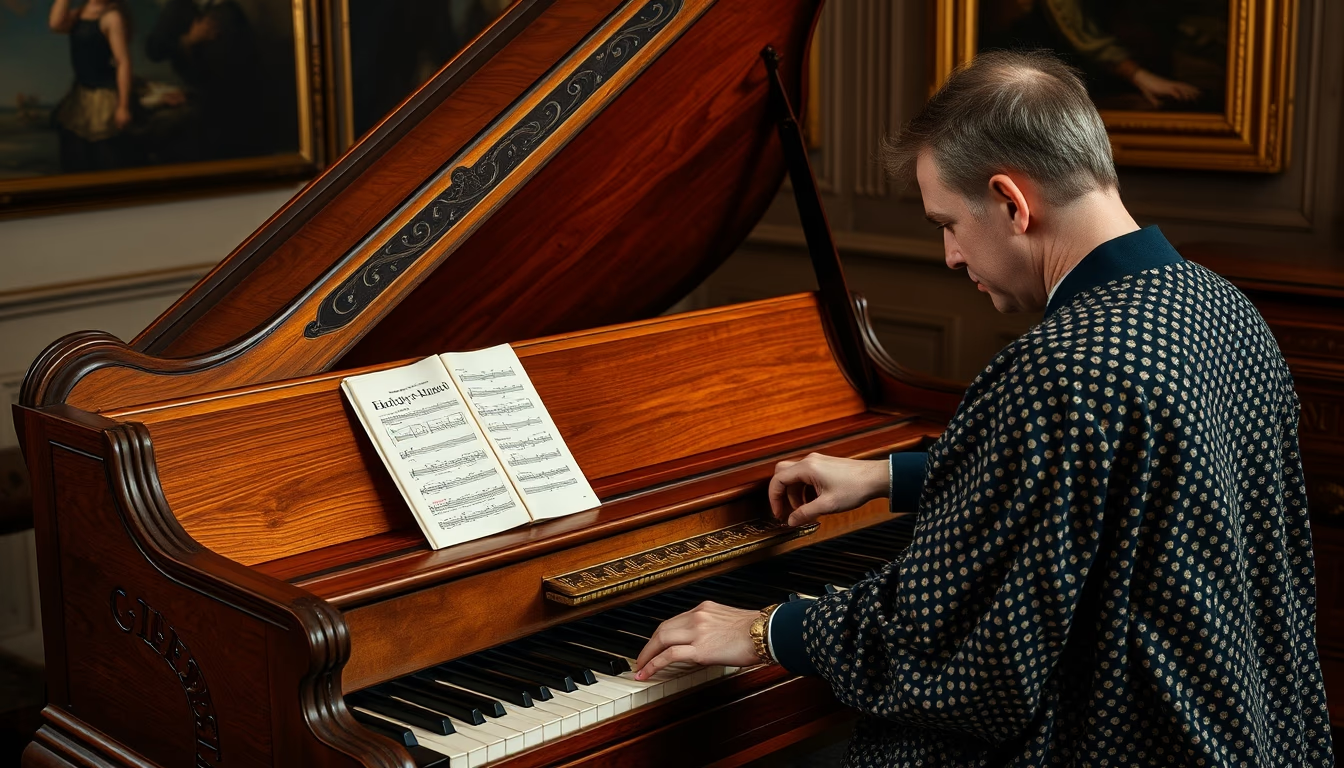
The baroque harpsichord, a keyboard instrument with plucked strings, was essential in 17th and 18th century music, used by Bach and Scarlatti.
About this subject
The baroque harpsichord is a keyboard instrument whose strings are plucked by quills or plectra, unlike the modern piano where hammers strike the strings. This mechanism produces a brighter, more metallic sound with less sustain but exceptional clarity and articulation. The harpsichord reached its peak during the Baroque period (approximately 1600-1750), becoming the dominant keyboard instrument in Europe.
Composers such as Johann Sebastian Bach, Domenico Scarlatti, and François Couperin wrote vast repertoires for solo harpsichord, including suites, sonatas, and variations. Bach particularly explored the contrapuntal possibilities of the instrument in works like The Well-Tempered Clavier, which established the use of all major and minor keys. Scarlatti composed over 500 sonatas that explore technical virtuosity and idiomatic effects typical of the harpsichord.
Baroque harpsichords varied in size and configuration. Common models included the spinet (small, with oblique strings), the virginal (rectangular), and the harpsichord proper, with one or more manuals (keyboards). Larger instruments had registers (sets of jacks) that could be engaged to change timbre, providing limited dynamic contrasts. Construction used fine woods like oak, walnut, and maple, often with ornate decoration and painting.
The harpsichord declined in the late 18th century with the rise of the pianoforte, which offered expressive dynamics. The 20th century saw a revival of interest, driven by performers like Wanda Landowska and Gustav Leonhardt, and the early music movement. Today, the harpsichord is used in historically informed performances of Baroque music and also in contemporary genres such as pop and indie.
Frequently Asked Questions
What is the difference between a harpsichord and a piano?
In a harpsichord, strings are plucked by plectra, producing sound without dynamic variation. In a piano, hammers strike strings, allowing expressive control of volume. The harpsichord has a brighter timbre and less sustain.
What are the major works for baroque harpsichord?
Key works include Bach's The Well-Tempered Clavier, Scarlatti's 555 Sonatas, and Couperin's pieces. These compositions explore counterpoint, virtuosity, and idiomatic writing for the instrument.
Is the harpsichord still used today?
Yes, particularly in historically informed performances of Baroque music. It also appears in contemporary genres like pop, indie, and film scores due to its distinctive timbre.
Direct URL
https://pub-c7d6a6ea828543ac903a74a341ccb2e1.r2.dev/imagens/harpsichord-baroque-national-geographic-style-p0.avifHow to credit
Include a visible link back to UtilizAí. Copy one of the snippets below:
<a href="https://xn--utiliza-eza.com/en/midia/imagens/harpsichord-baroque-national-geographic-style-p0">Harpsichord baroque</a> by <a href="https://xn--utiliza-eza.com">UtilizAí</a>, licensed under <a href="https://creativecommons.org/licenses/by/4.0/">CC BY 4.0</a>.
[Harpsichord baroque](https://xn--utiliza-eza.com/en/midia/imagens/harpsichord-baroque-national-geographic-style-p0) by [UtilizAí](https://xn--utiliza-eza.com), CC BY 4.0
License: CC-BY-4.0