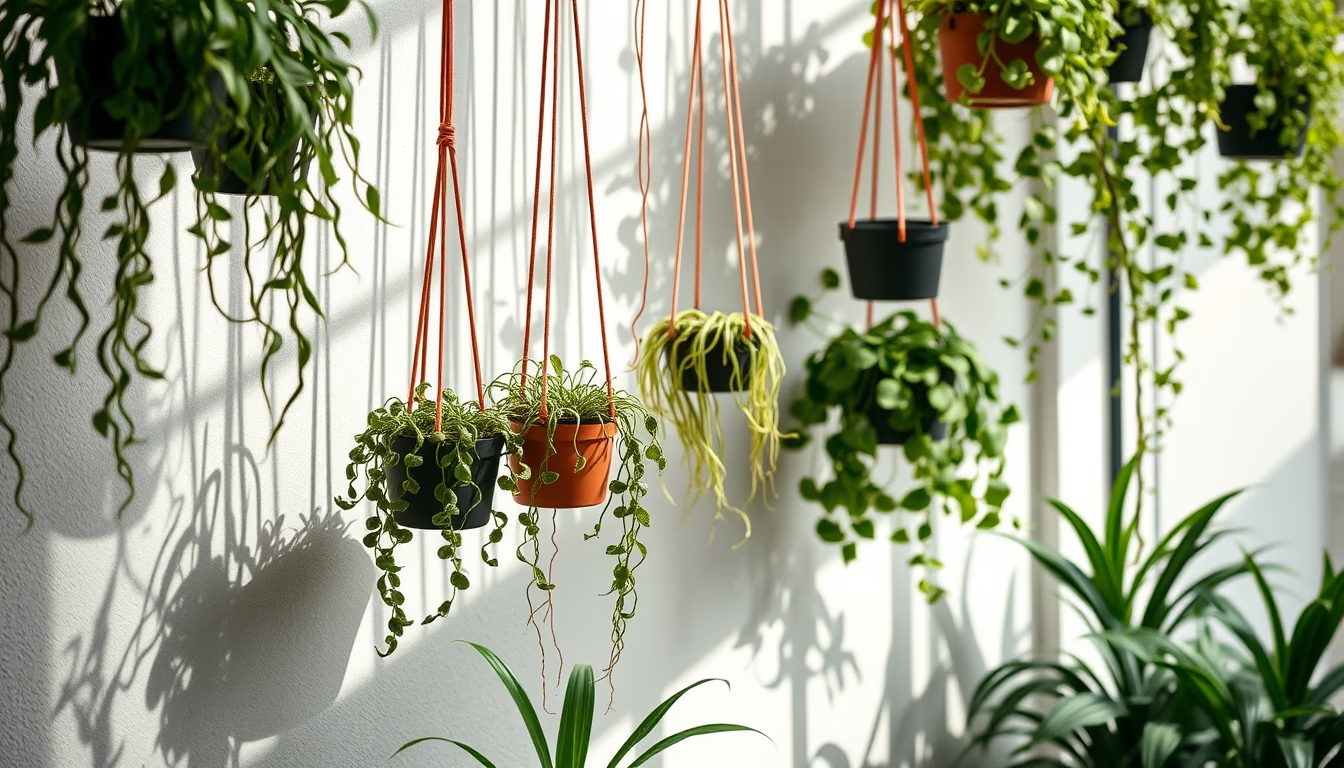
Hanging plants vertical garden
1344×768 · AVIF · CC BY 4.0
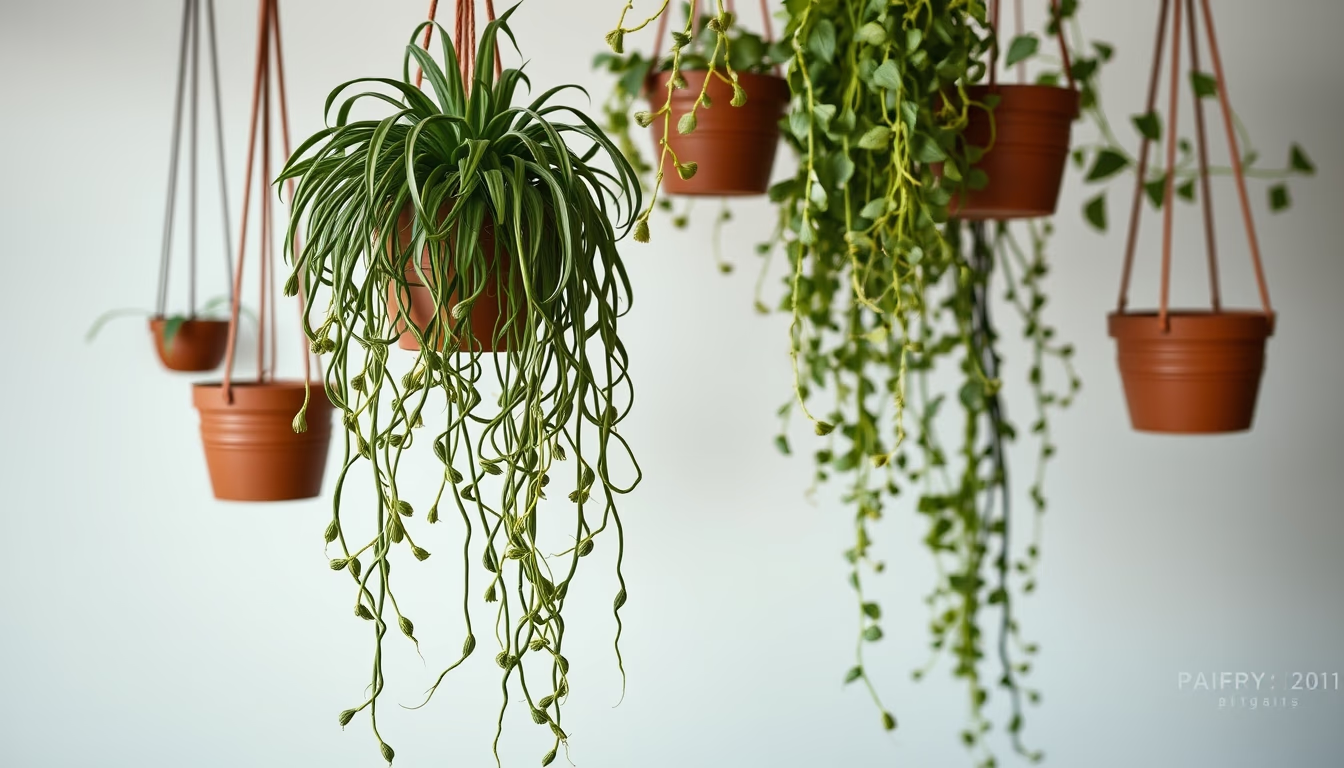
Vertical gardens with hanging plants turn walls into urban oases, combining aesthetics and environmental benefits in small spaces.
About this subject
Vertical gardens with hanging plants are a creative solution for incorporating greenery in spaces with limited floor area. They consist of modular structures or panels where trailing plants such as ferns, pothos, string of hearts, and peperomias are fixed to grow downwards, creating a cascading effect. This technique is widely used on balconies, terraces, interiors, and facades, improving air quality, thermal and acoustic insulation, and providing visual wellbeing.
Plant selection is critical for a successful hanging vertical garden. Species that tolerate partial shade and high humidity are ideal, like asparagus fern (Asparagus setaceus), Philodendron hederaceum, and arrowhead vine (Syngonium podophyllum). Irrigation must be efficient, often automated with drip or recirculating systems, to avoid waterlogging or drying out. Maintenance includes regular pruning to control growth and nutrient replenishment through liquid fertilization.
In interior design, hanging vertical gardens gained prominence in the 2000s thanks to French botanist Patrick Blanc, a pioneer in using felt and soilless systems. In Brazil, the trend has become popular in residential and commercial projects, especially in tropical climates where humidity promotes plant growth. Beyond aesthetics, these gardens help reduce ambient temperature and attract urban wildlife like hummingbirds and butterflies.
Interestingly, studies show that hanging plants can increase the perception of spaciousness in small rooms by directing the eye upward. Moreover, maintaining a vertical garden can be simpler than expected: modern systems include humidity sensors and timers, making care easier for busy lifestyles. The variety of frames, from living picture frames to coconut fiber panels, allows customization to match any decor style.
Frequently Asked Questions
How to set up a vertical garden with hanging plants?
Choose a suitable structure like felt panels, trellises, or modular pots. Select trailing plants that adapt to the location's light. Install a drip irrigation system and use lightweight substrate. Secure the structure to the wall and plant the seedlings, adjusting watering in the first days.
What are the best plants for a hanging vertical garden?
Ferns, pothos, peperomia, arrowhead vine, spider plant, string of hearts, and asparagus fern are excellent choices. They tolerate partial shade, grow quickly, and create a beautiful cascading effect. Avoid plants that need full sun, as they may burn.
How to maintain irrigation in a vertical garden?
An automatic irrigation system with drippers or soaker hoses is ideal. If manual, water 2 to 3 times per week, checking substrate moisture. In dry regions, increase frequency. Use a timer to automate and ensure proper hydration.
Direct URL
https://pub-c7d6a6ea828543ac903a74a341ccb2e1.r2.dev/imagens/hanging-plants-vertical-garden-studio-editorial-portrait-fresh13.avifHow to credit
Include a visible link back to UtilizAí. Copy one of the snippets below:
<a href="https://xn--utiliza-eza.com/en/midia/imagens/hanging-plants-vertical-garden-studio-editorial-portrait-fresh13">Hanging plants vertical garden</a> by <a href="https://xn--utiliza-eza.com">UtilizAí</a>, licensed under <a href="https://creativecommons.org/licenses/by/4.0/">CC BY 4.0</a>.
[Hanging plants vertical garden](https://xn--utiliza-eza.com/en/midia/imagens/hanging-plants-vertical-garden-studio-editorial-portrait-fresh13) by [UtilizAí](https://xn--utiliza-eza.com), CC BY 4.0
License: CC-BY-4.0