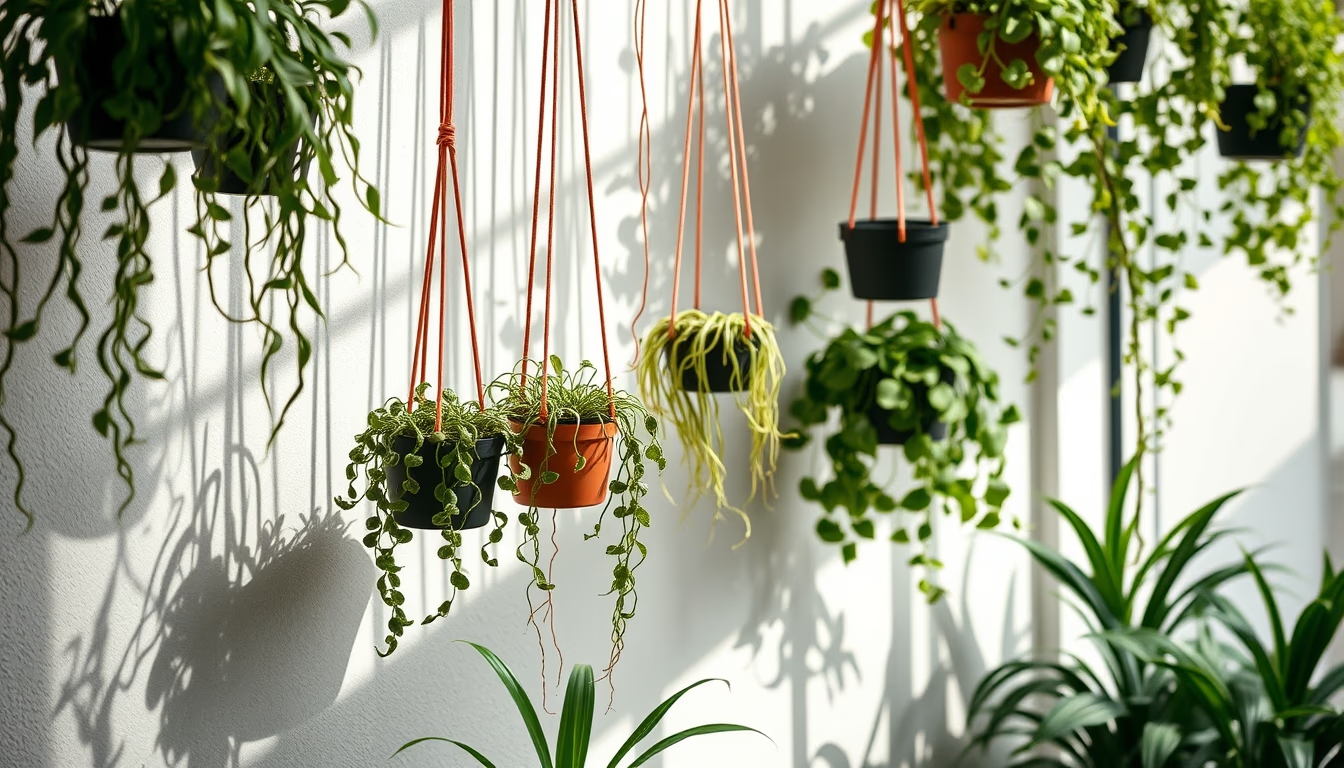
Hanging plants vertical garden
1344×768 · AVIF · CC BY 4.0
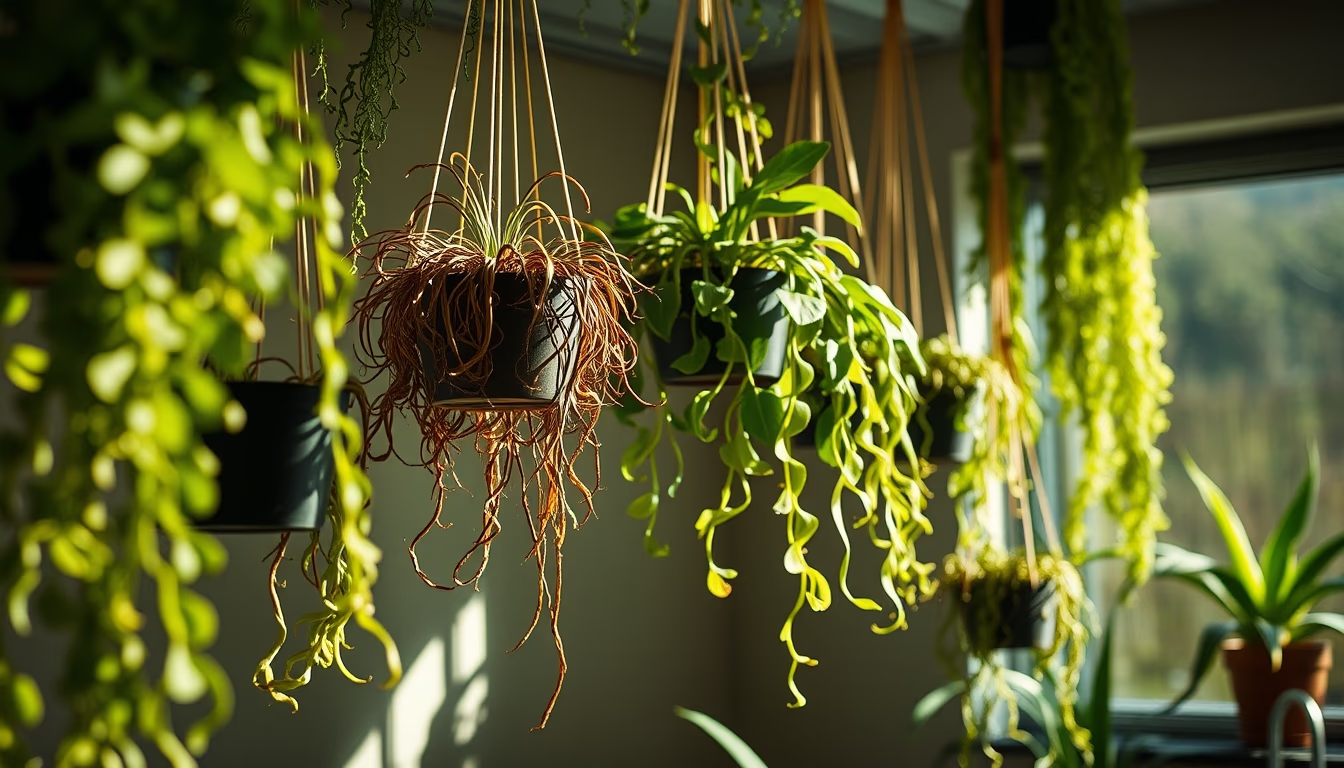
Vertical gardens with hanging plants turn walls into urban oases, blending aesthetics and environmental benefits in compact spaces.
About this subject
A vertical garden with hanging plants is a vertically cultivated structure that uses species with a trailing habit, such as pothos (Epipremnum aureum), Boston fern (Nephrolepis exaltata), and peperomia (Peperomia scandens). This technique, popularized by French botanist Patrick Blanc in the 1980s, allows cultivation on both interior and exterior walls, optimizing space in apartments and compact areas.
The benefits go beyond aesthetics. Studies show that vertical gardens can reduce ambient temperature by up to 10°C, acting as natural thermal insulators. They also improve air quality by filtering volatile organic compounds and increasing relative humidity. In dense urban areas like downtown São Paulo, these installations are gaining prominence on the green facades of commercial and residential buildings.
Cultivation requires specific care. Frequent watering is necessary, usually through automated drip systems, as exposure to wind and sun accelerates evaporation. Regarding light, most hanging plants prefer bright indirect light, but species like pothos tolerate partial shade. Maintenance includes regular pruning to control growth and prevent plants from obstructing the structure or windows.
Interestingly, the concept of hanging gardens is not new: the Hanging Gardens of Babylon, one of the Seven Wonders of the Ancient World, is the most famous example. Today, modern technology using geotextile felts and capillary irrigation systems has made vertical gardens accessible for homes and businesses, with modular options that allow customization of species and shapes.
Frequently Asked Questions
What are the best plants for a hanging vertical garden?
Trailing species with low maintenance needs, such as pothos, Boston fern, peperomia, philodendron Brasil (Philodendron hederaceum), and string of pearls (Senecio rowleyanus), are ideal. They adapt well to vertical systems and require indirect light.
How do you care for hanging plants in a vertical garden?
Water frequently, preferably with an automated drip system. Use a lightweight, well-draining substrate. Fertilize every 15 days during spring and summer. Prune regularly to prevent plants from becoming too long and heavy.
Does an indoor vertical garden need sunlight?
Most hanging plants for indoors need bright indirect light, not direct sun. Locations near east- or north-facing windows (in the Southern Hemisphere) are suitable. For low-light areas, species like pothos and prayer plant (Maranta leuconeura) tolerate partial shade.
Direct URL
https://pub-c7d6a6ea828543ac903a74a341ccb2e1.r2.dev/imagens/hanging-plants-vertical-garden-rembrandt-lighting-dramatic-shadows-fresh10.avifHow to credit
Include a visible link back to UtilizAí. Copy one of the snippets below:
<a href="https://xn--utiliza-eza.com/en/midia/imagens/hanging-plants-vertical-garden-rembrandt-lighting-dramatic-shadows-fresh10">Hanging plants vertical garden</a> by <a href="https://xn--utiliza-eza.com">UtilizAí</a>, licensed under <a href="https://creativecommons.org/licenses/by/4.0/">CC BY 4.0</a>.
[Hanging plants vertical garden](https://xn--utiliza-eza.com/en/midia/imagens/hanging-plants-vertical-garden-rembrandt-lighting-dramatic-shadows-fresh10) by [UtilizAí](https://xn--utiliza-eza.com), CC BY 4.0
License: CC-BY-4.0