Hanging plants vertical garden
1344×768 · AVIF · CC BY 4.0
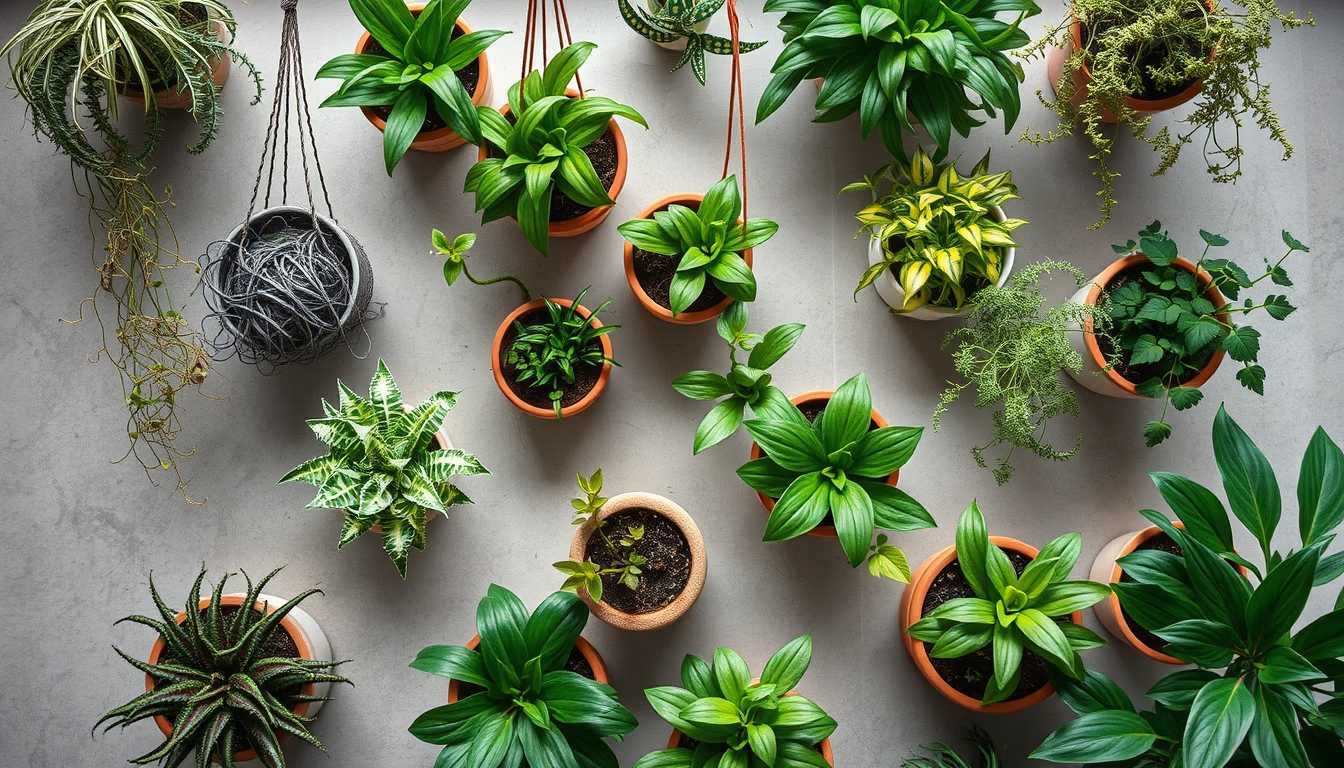
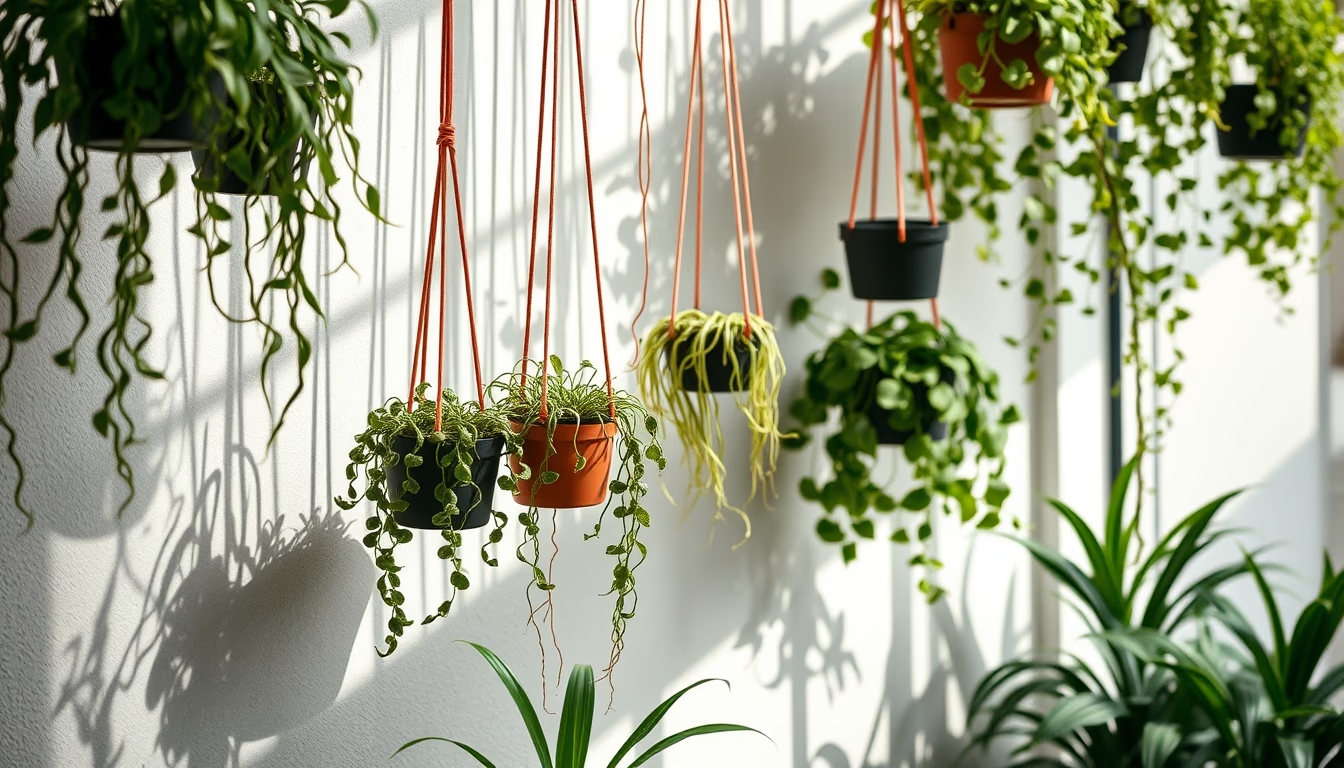
Vertical gardens with hanging plants optimize urban spaces and improve air quality, blending aesthetics and functionality.
About this subject
Vertical gardens with hanging plants offer a creative solution for cultivating greenery in small spaces, such as apartments or balconies. This technique involves attaching pots or modular structures to walls, allowing species like Devil's Ivy, Boston Fern, Peperomia, and Philodendron to cascade downward, creating a waterfall effect. Beyond decoration, these gardens purify the air, lower ambient temperature, and increase humidity, enhancing well-being.
Popularity has surged in urban centers worldwide, particularly in densely populated cities like São Paulo and Rio de Janeiro, where space is limited. Tropical species thrive in warm, humid climates, requiring regular watering and pruning to control growth. Drip irrigation systems are common in larger projects, ensuring even water distribution.
Technically, choosing the right support is key. Galvanized metal, treated wood, or geotextile felt panels are durable options. Hanging plants need light, well-drained substrate to prevent waterlogging. Maintenance involves monthly organic fertilization and pest monitoring for aphids and scale insects.
Interestingly, vertical gardens are not modern. The Hanging Gardens of Babylon, one of the Seven Wonders of the Ancient World, exemplify historical greenery at height. Today, the technique adorns building facades, interior walls, and even living partitions, promoting sustainability and nature connection in urban environments.
Frequently Asked Questions
Which hanging plants are best for indoor vertical gardens?
Species like Devil's Ivy (Epipremnum aureum), Boston Fern (Nephrolepis exaltata), Peperomia (Peperomia scandens), and Philodendron (Philodendron hederaceum) are excellent choices due to their tolerance of indirect light and low maintenance.
How to irrigate a vertical garden with hanging plants?
Irrigation can be done manually with a watering can or via an automated drip system. The key is to avoid waterlogging: water when the substrate feels dry to the touch.
Do vertical gardens with hanging plants help reduce indoor temperature?
Yes, plants release water vapor through evapotranspiration, cooling the surrounding air. Studies show a well-established vertical garden can lower ambient temperature by up to 4°C.
Direct URL
https://pub-c7d6a6ea828543ac903a74a341ccb2e1.r2.dev/imagens/hanging-plants-vertical-garden-isometric-flat-lay-fresh7.avifHow to credit
Include a visible link back to UtilizAí. Copy one of the snippets below:
<a href="https://xn--utiliza-eza.com/en/midia/imagens/hanging-plants-vertical-garden-isometric-flat-lay-fresh7">Hanging plants vertical garden</a> by <a href="https://xn--utiliza-eza.com">UtilizAí</a>, licensed under <a href="https://creativecommons.org/licenses/by/4.0/">CC BY 4.0</a>.
[Hanging plants vertical garden](https://xn--utiliza-eza.com/en/midia/imagens/hanging-plants-vertical-garden-isometric-flat-lay-fresh7) by [UtilizAí](https://xn--utiliza-eza.com), CC BY 4.0
License: CC-BY-4.0