Hanging plants vertical garden
1344×768 · AVIF · CC BY 4.0
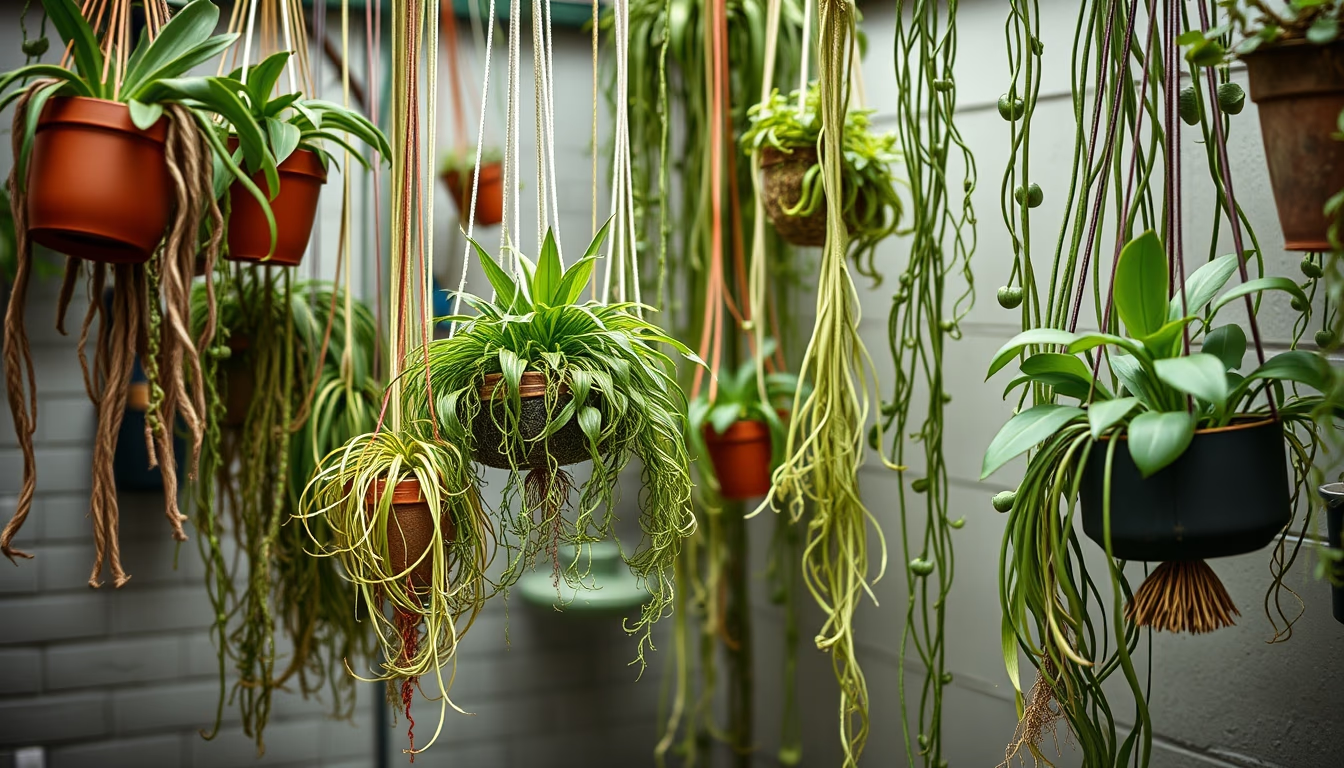
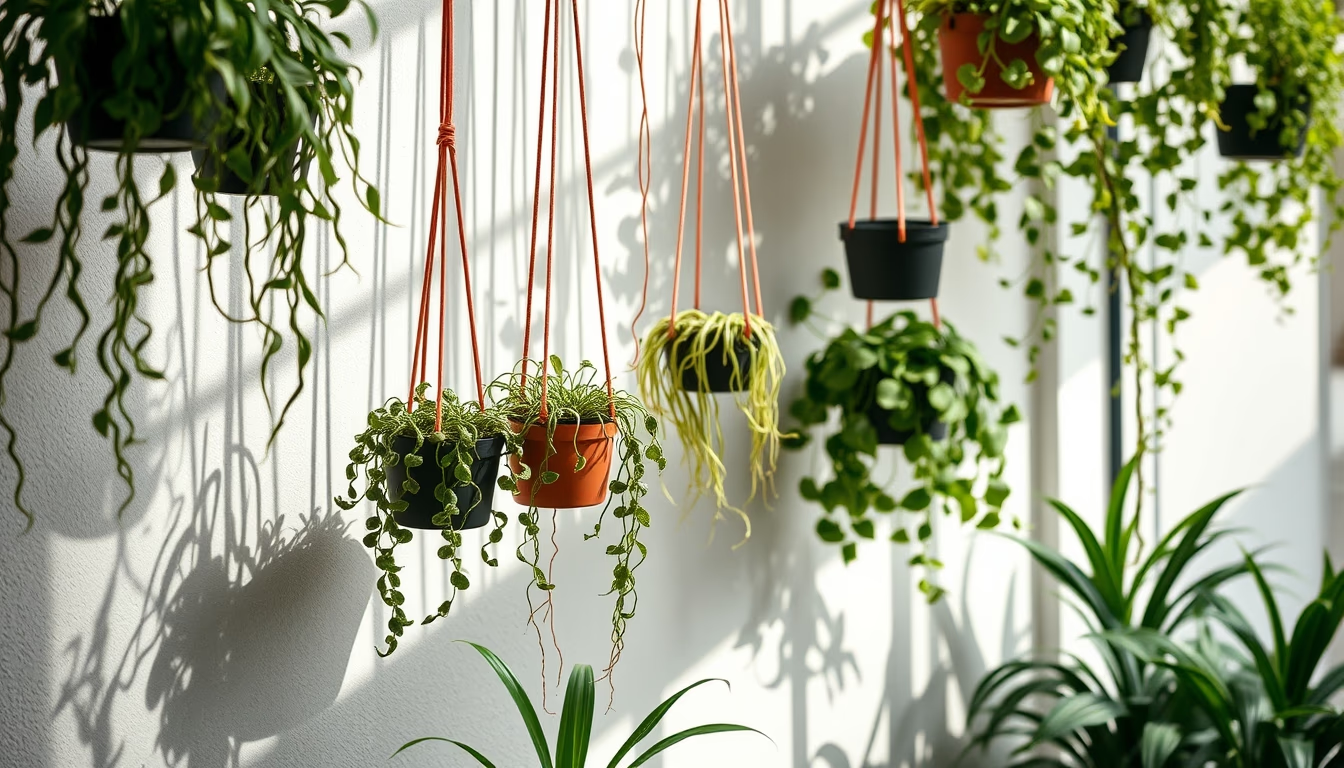
Vertical gardens with hanging plants are urban solutions that optimize spaces, purify the air, and bring biodiversity to indoor and outdoor environments.
About this subject
Vertical gardens with hanging plants, also known as green walls, have gained prominence in dense urban areas where horizontal space is scarce. These structures can be assembled on modular supports, trellises, or pots attached to walls, using species such as ferns, pothos, philodendrons, and ivies. These plants are chosen for their natural cascade, low maintenance requirements, and ability to filter pollutants. A study by NASA, the Clean Air Study, indicated that many of these species remove volatile organic compounds like formaldehyde and benzene, improving indoor air quality.
In Brazil, vertical gardens have become popular in apartments and balconies, especially in cities like São Paulo and Rio de Janeiro, where verticalization is high. Besides aesthetic benefits, they help with thermal insulation, reducing temperature by up to 5°C on facades, and act as acoustic barriers. Automated drip irrigation systems ensure uniform hydration, while lightweight substrates prevent structural overload. Interestingly, the concept is not new: the Hanging Gardens of Babylon, one of the Seven Wonders of the Ancient World, already used hanging plants to create urban oases.
When setting up a vertical garden with hanging plants, it is crucial to consider the site's lighting. Species like the peperomia (Peperomia caperata) prefer indirect light, while the columnea (Columnea) tolerates partial shade. The choice of pot or geotextile felt also influences drainage and root health. In drier climates, periodic misting is recommended to maintain humidity. These gardens can be installed in homes or businesses but require pest control, such as mealybugs, which can be managed with neem oil or insecticidal soap.
Frequently Asked Questions
What are the best plants for a hanging vertical garden?
The best plants are those with cascading growth and low maintenance, such as ferns, pothos, philodendrons, ivies, and peperomias. They adapt to different lighting and help purify the air.
How should I water a vertical garden with hanging plants?
An automated drip irrigation system is ideal, or manual watering 2 to 3 times per week depending on humidity. Always check that the substrate is moist but not waterlogged.
Do vertical gardens attract insects or pests?
Yes, they can attract pests like mealybugs and aphids, but these are easily controlled with neem oil or insecticidal soap. Good ventilation and avoiding overwatering reduce risks.
Direct URL
https://pub-c7d6a6ea828543ac903a74a341ccb2e1.r2.dev/imagens/hanging-plants-vertical-garden-documentary-nature-style-fresh0.avifHow to credit
Include a visible link back to UtilizAí. Copy one of the snippets below:
<a href="https://xn--utiliza-eza.com/en/midia/imagens/hanging-plants-vertical-garden-documentary-nature-style-fresh0">Hanging plants vertical garden</a> by <a href="https://xn--utiliza-eza.com">UtilizAí</a>, licensed under <a href="https://creativecommons.org/licenses/by/4.0/">CC BY 4.0</a>.
[Hanging plants vertical garden](https://xn--utiliza-eza.com/en/midia/imagens/hanging-plants-vertical-garden-documentary-nature-style-fresh0) by [UtilizAí](https://xn--utiliza-eza.com), CC BY 4.0
License: CC-BY-4.0