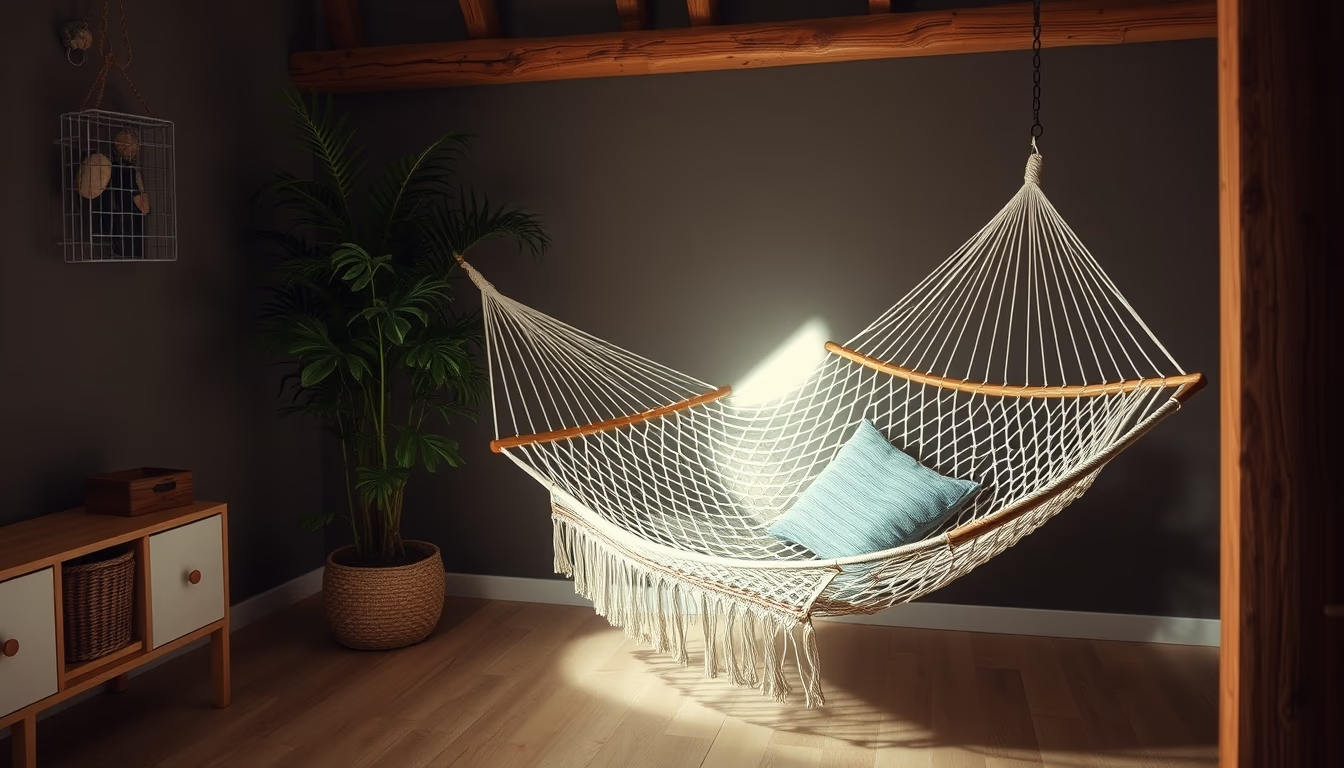
Hammock with tropical drink
1344×768 · AVIF · CC BY 4.0
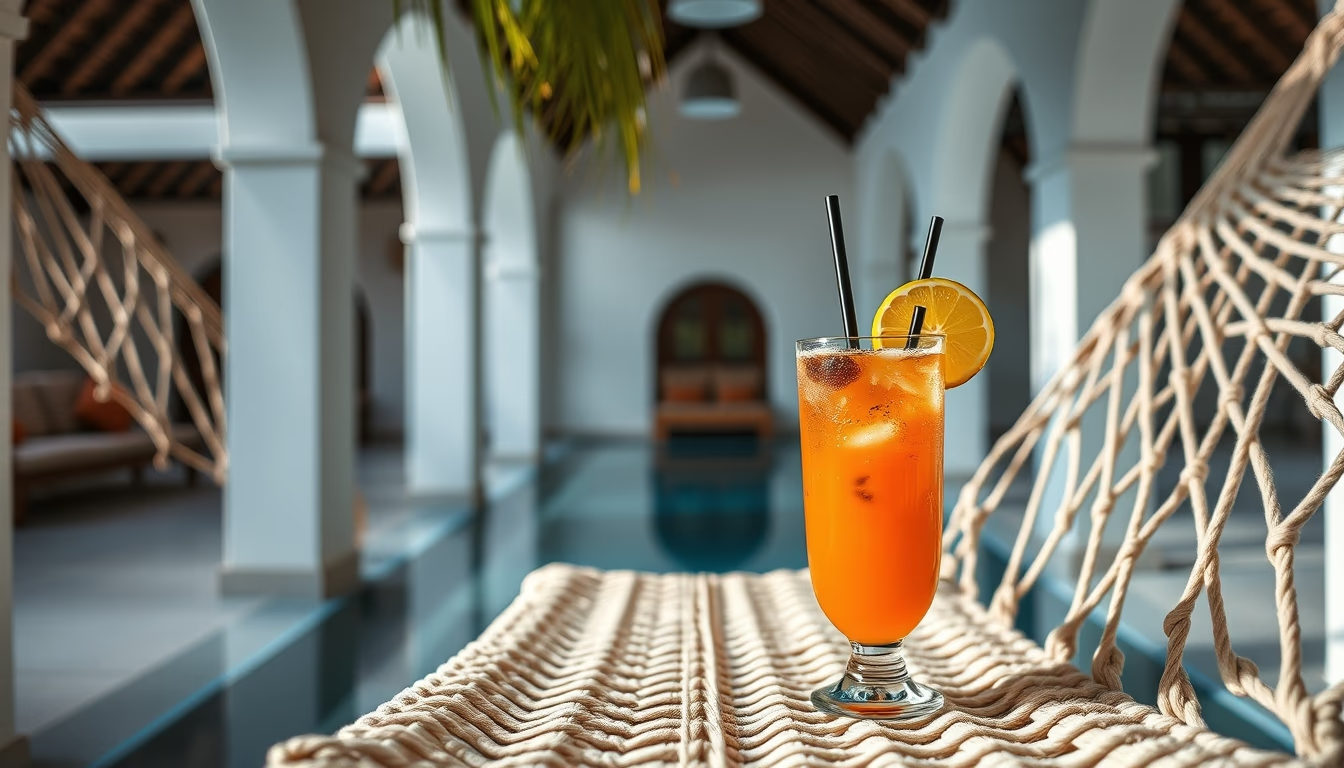
Hammocks paired with tropical drinks represent one of the most authentic symbols of Brazilian leisure, especially in coastal regions.
About this subject
The hammock has pre-Columbian origins and was widely adopted by Brazilian indigenous peoples, especially in the Amazon region. During colonization, the habit spread throughout the country, becoming an iconic element of northeastern and caiçara culture. Traditionally made from cotton or natural fibers, the hammock offers coolness and comfort in hot climates, being used both for sleeping and for relaxing during the day.
Tropical drinks are an essential part of this experience. The caipirinha, made with cachaça, lime, and sugar, is the most emblematic, but there are also options such as coconut water, cashew juice, and fruit blends. On beaches and kiosks, it is common to see people swaying in hammocks while sipping these chilled beverages, creating a laid-back atmosphere that attracts tourists from all over the world.
In Brazilian tropical architecture, hammocks are often installed on verandas or shaded areas, integrated into the design of beach houses and resorts. The use of materials like wood and straw reinforces the connection with nature. This element is not merely decorative but functional, as it allows one to enjoy the sea breeze without direct contact with the hot ground. The combination of a hammock and a tropical drink is thus an invitation to creative idleness and well-being.
Frequently Asked Questions
What is the origin of the hammock in Brazil?
The hammock was introduced by indigenous peoples of the Amazon long before Portuguese colonization. The Tupinambá, for example, already used hammocks made of cotton or palm fibers. Over time, the custom was adopted by colonizers and Africans, becoming a common household item throughout Brazil, especially in the Northeast.
Which tropical drinks are most consumed by the seaside?
Besides the caipirinha, which is the most famous, coconut water, cashew juice, coconut batida, and sugarcane juice stand out. In regions like the Northeast, drinks made with regional fruits such as acerola, passion fruit, and cajá are also popular.
How does tropical architecture incorporate hammocks?
In Brazilian tropical architecture, hammocks are often hung on verandas or open areas like extended rooftops and backyards. The design prioritizes cross-ventilation and shading, with hammocks attached to wooden beams. Resorts and inns frequently create hammock lounges near pools or beaches, enhancing the connection with the landscape.
Direct URL
https://pub-c7d6a6ea828543ac903a74a341ccb2e1.r2.dev/imagens/hammock-with-tropical-drink-architectural-photography-fresh14.avifHow to credit
Include a visible link back to UtilizAí. Copy one of the snippets below:
<a href="https://xn--utiliza-eza.com/en/midia/imagens/hammock-with-tropical-drink-architectural-photography-fresh14">Hammock with tropical drink</a> by <a href="https://xn--utiliza-eza.com">UtilizAí</a>, licensed under <a href="https://creativecommons.org/licenses/by/4.0/">CC BY 4.0</a>.
[Hammock with tropical drink](https://xn--utiliza-eza.com/en/midia/imagens/hammock-with-tropical-drink-architectural-photography-fresh14) by [UtilizAí](https://xn--utiliza-eza.com), CC BY 4.0
License: CC-BY-4.0