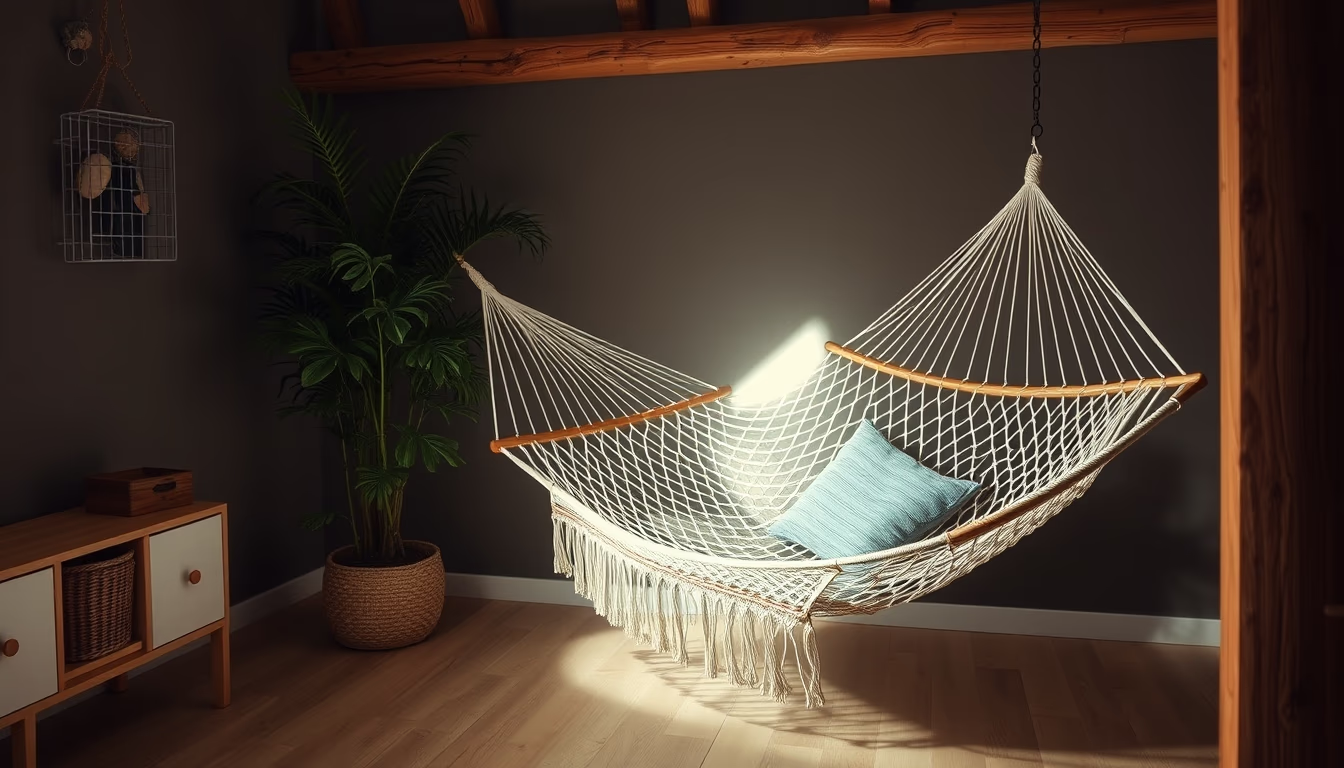
Hammock indoor cozy
1344×768 · AVIF · CC BY 4.0

Discover how indoor hammocks became a cozy decor element, blending tropical comfort with a lo-fi aesthetic.
About this subject
The hammock, traditionally associated with outdoor relaxation in tropical regions, has found a new place indoors. Originally used by indigenous peoples of Central and South America, hammocks were made from natural fibers like cotton or sisal, providing a cool and comfortable sleeping surface. With the rise of the slow living movement and the desire for cozier environments, the indoor hammock has become a versatile decor item, capable of turning any corner into a relaxation retreat.
Adapting a hammock for indoor use requires attention to secure anchor points and appropriate material choices. Crocheted or soft fabric hammocks are common in living rooms, verandas, or bedrooms, creating a relaxed and intimate atmosphere. The lo-fi aesthetic, which values imperfections and natural textures, pairs perfectly with hammocks: grainy, low-light photographs enhance the feeling of coziness and nostalgia, evoking memories of vacations or quiet moments.
Interestingly, using hammocks indoors is not just a decorative trend but also a functional practice. In small apartments, a hammock can replace sofas or extra beds, saving space while offering a unique resting experience. Studies show that the gentle rocking of a hammock can induce deep sleep faster than a traditional bed, due to the rhythmic motion that stimulates the parasympathetic nervous system.
Disposable camera-style photography, with its characteristic grain and desaturated colors, amplifies the visual appeal of the indoor hammock. This technique, popular in the lo-fi scene, captures the essence of the moment without artifice, reinforcing the idea of a genuine, personal space. Whether on a plant-filled balcony or in a softly lit bedroom, the hammock becomes the focal point of a lifestyle that prioritizes well-being and presence.
Frequently Asked Questions
How to safely hang an indoor hammock?
Use ceiling hooks or hammock stands fixed to beams or sturdy structures. Check the maximum weight capacity and use steel carabiners. Avoid drywall without reinforcement.
What is the best type of hammock for indoor use?
Cotton or crochet hammocks are comfortable and breathable. Spreader bar hammocks take up less space, while traditional gathered-end hammocks offer more movement.
Is sleeping in a hammock good for your back?
Yes, if positioned diagonally, a hammock distributes weight without pressure points, potentially relieving back pain. However, avoid lying straight or curled up.
Direct URL
https://pub-c7d6a6ea828543ac903a74a341ccb2e1.r2.dev/imagens/hammock-indoor-cozy-lo-fi-disposable-camera-fresh17.avifHow to credit
Include a visible link back to UtilizAí. Copy one of the snippets below:
<a href="https://xn--utiliza-eza.com/en/midia/imagens/hammock-indoor-cozy-lo-fi-disposable-camera-fresh17">Hammock indoor cozy</a> by <a href="https://xn--utiliza-eza.com">UtilizAí</a>, licensed under <a href="https://creativecommons.org/licenses/by/4.0/">CC BY 4.0</a>.
[Hammock indoor cozy](https://xn--utiliza-eza.com/en/midia/imagens/hammock-indoor-cozy-lo-fi-disposable-camera-fresh17) by [UtilizAí](https://xn--utiliza-eza.com), CC BY 4.0
License: CC-BY-4.0