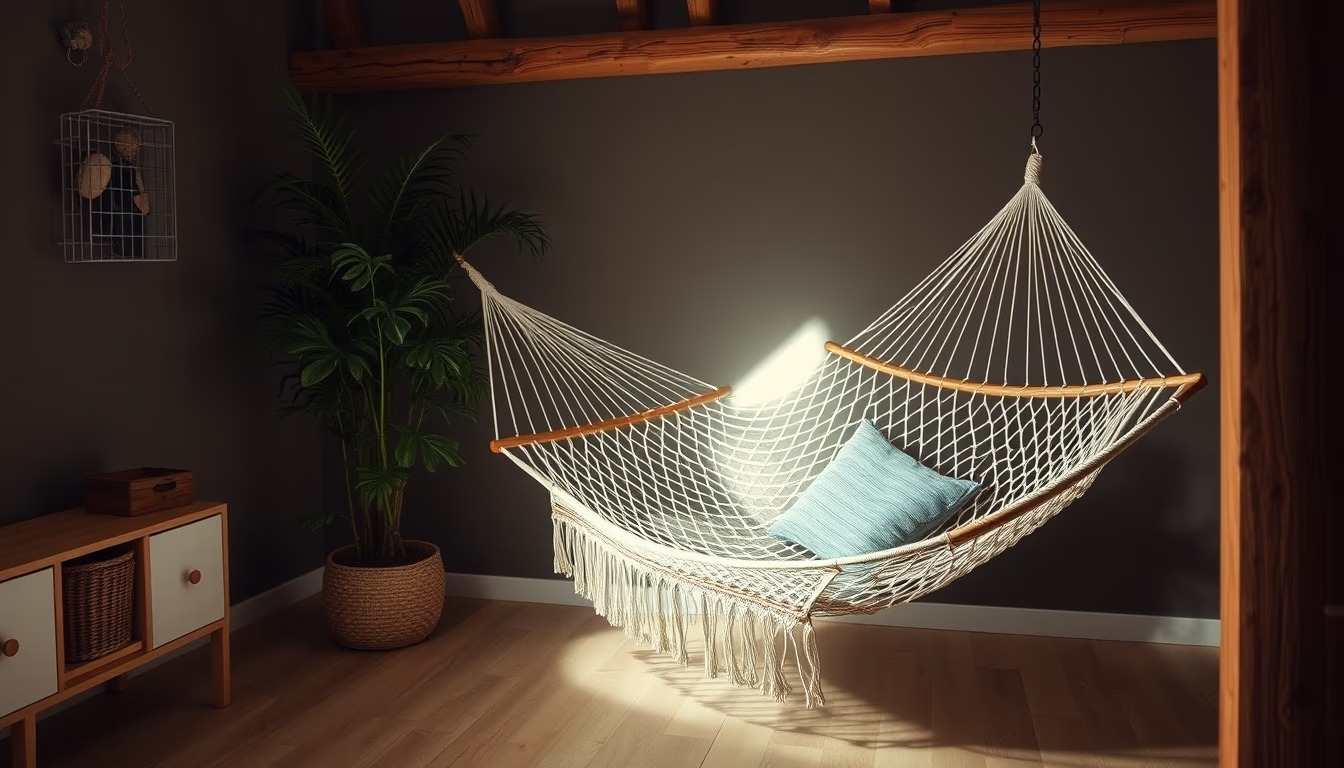
Hammock indoor cozy
1344×768 · AVIF · CC BY 4.0

An indoor hammock combines tropical comfort with interior design, creating a relaxing retreat in any room.
About this subject
The hammock, traditionally associated with outdoor relaxation in tropical regions, has carved a niche in contemporary interior design. Originating from indigenous Brazilian culture, this simple yet functional object has been adopted by architects and designers as a versatile element capable of transforming living rooms, enclosed balconies, or bedrooms into relaxation areas. The slow living movement and the quest for domestic well-being have driven this trend, blending laid-back aesthetics with functionality.
From an architectural standpoint, installing an indoor hammock requires planning: reinforced anchor points such as concrete beams or metal structures, and load calculation. Models with independent stands (wood or steel frames) offer versatility without drilling into walls, ideal for rentals. The ideal hanging height is about 12 to 16 inches off the ground, providing gentle sway and comfort. Fabric choice also matters: cotton and crochet offer breathability, while polyester resists moisture in indoor settings.
Using a hammock indoors goes beyond aesthetics: studies suggest therapeutic benefits, including anxiety reduction and improved sleep quality due to the rhythmic motion. For many, lying in a hammock evokes nostalgic memories of vacations and relaxation, creating an emotional sanctuary. In non-tropical climates, an indoor hammock maintains visual lightness and invites creative idleness, contrasting with the rigidity of traditional furniture.
Fun fact: in Brazil, the hammock is an intangible cultural heritage in some regions, such as Maranhão, where it is part of local identity. Handmade crochet hammocks, often made by traditional communities, add social and sustainable value to interior design. When choosing a hammock, look for suppliers that value handcraft and fair trade.
Frequently Asked Questions
How to hang a hammock indoors without damaging walls?
Use freestanding stands (wood or steel frames) or specific hammock hooks that distribute weight. For concrete ceilings, use anchors and screws rated for the load.
What type of hammock is best for indoor use?
Cotton or crochet hammocks are comfortable and breathable, suitable for mild climates. Polyester or microfiber ones resist moisture better and are easy to clean, ideal for enclosed porches.
Can a hammock replace a bed?
Yes, for naps or overnight sleeping if it is long enough (around 10 feet) and properly installed. The rocking motion can aid relaxation, but some prefer spreader bar hammocks to avoid tangling.
Direct URL
https://pub-c7d6a6ea828543ac903a74a341ccb2e1.r2.dev/imagens/hammock-indoor-cozy-architectural-photography-fresh15.avifHow to credit
Include a visible link back to UtilizAí. Copy one of the snippets below:
<a href="https://xn--utiliza-eza.com/en/midia/imagens/hammock-indoor-cozy-architectural-photography-fresh15">Hammock indoor cozy</a> by <a href="https://xn--utiliza-eza.com">UtilizAí</a>, licensed under <a href="https://creativecommons.org/licenses/by/4.0/">CC BY 4.0</a>.
[Hammock indoor cozy](https://xn--utiliza-eza.com/en/midia/imagens/hammock-indoor-cozy-architectural-photography-fresh15) by [UtilizAí](https://xn--utiliza-eza.com), CC BY 4.0
License: CC-BY-4.0