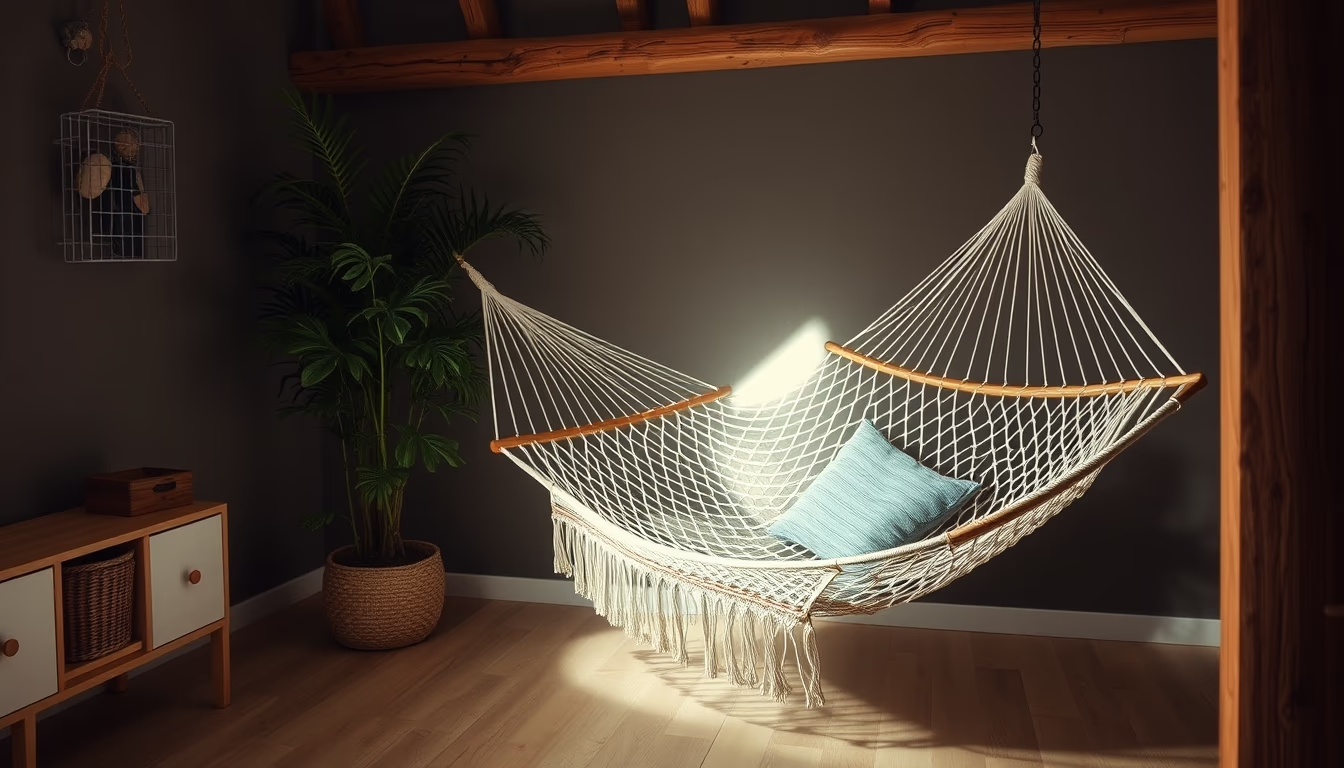
Hammock indoor cozy
1344×768 · AVIF · CC BY 4.0

Discover how indoor hammocks combine comfort and style, turning any space into a tropical relaxation retreat.
About this subject
The hammock, originally developed by indigenous peoples of Central and South America, is one of the oldest types of resting furniture. Traditionally woven from natural fibers like cotton or sisal, it has adapted seamlessly to modern life. In Brazil, hammocks are cultural icons, especially in the North and Northeast regions, where they are used both for sleeping and relaxing during the day. The indoor version has gained global popularity as an elegant alternative to sofas and beds, enhancing compact spaces like balconies, bedrooms, or living rooms.
Using a hammock indoors brings proven health and well‑being benefits. Studies indicate that gentle swaying stimulates the vestibular system, promoting deep relaxation and better sleep quality. Additionally, the semi‑reclined position relieves spinal pressure, making it recommended for those with back pain. Modern materials like polyester and organic cotton ensure durability and easy cleaning, making the hammock a practical and sustainable choice.
Decoratively, a hammock breaks the rigidity of traditional furniture, adding movement and color to the environment. Models with fringes, ethnic prints, or neutral tones adapt to various styles, from boho to minimalist. To hang it safely indoors, it is essential to use specific supports for drywall or concrete beams, respecting the recommended weight limit. Some modern hammocks come with independent steel or wooden stands, eliminating the need for wall holes.
Interestingly, the hammock is also associated with Brazilian culture as a symbol of hospitality and simplicity. In many rural homes, it is the favorite spot for naps or reading. The Scandinavian 'hygge' trend found an ally in the hammock: the sense of coziness and security it provides rivals any armchair. Thus, the indoor hammock continues to evolve, blending tradition and innovation in interior design.
Frequently Asked Questions
How to hang a hammock indoors safely?
Use appropriate wall anchors for your surface type (drywall, concrete, wood). Ensure hooks support the total weight (hammock + person). Ideal distance between hanging points: about 10 to 13 feet.
What are the benefits of sleeping in a hammock?
Sleeping in a hammock can improve sleep quality due to gentle rocking, which induces relaxation. It also relieves spinal pressure, beneficial for back pain. Studies show it reduces time to fall asleep and increases deep sleep.
Are hammocks suitable for everyday use or just decoration?
Yes, hammocks are functional for daily use, whether for sleeping or resting. Models with durable fabrics and sturdy stands can replace beds in some cultures. For continuous use, choose a hammock with ample width and proper support.
Direct URL
https://pub-c7d6a6ea828543ac903a74a341ccb2e1.r2.dev/imagens/hammock-indoor-cozy-aerial-drone-shot-fresh7.avifHow to credit
Include a visible link back to UtilizAí. Copy one of the snippets below:
<a href="https://xn--utiliza-eza.com/en/midia/imagens/hammock-indoor-cozy-aerial-drone-shot-fresh7">Hammock indoor cozy</a> by <a href="https://xn--utiliza-eza.com">UtilizAí</a>, licensed under <a href="https://creativecommons.org/licenses/by/4.0/">CC BY 4.0</a>.
[Hammock indoor cozy](https://xn--utiliza-eza.com/en/midia/imagens/hammock-indoor-cozy-aerial-drone-shot-fresh7) by [UtilizAí](https://xn--utiliza-eza.com), CC BY 4.0
License: CC-BY-4.0