Hagia sophia istanbul
1344×768 · AVIF · CC BY 4.0
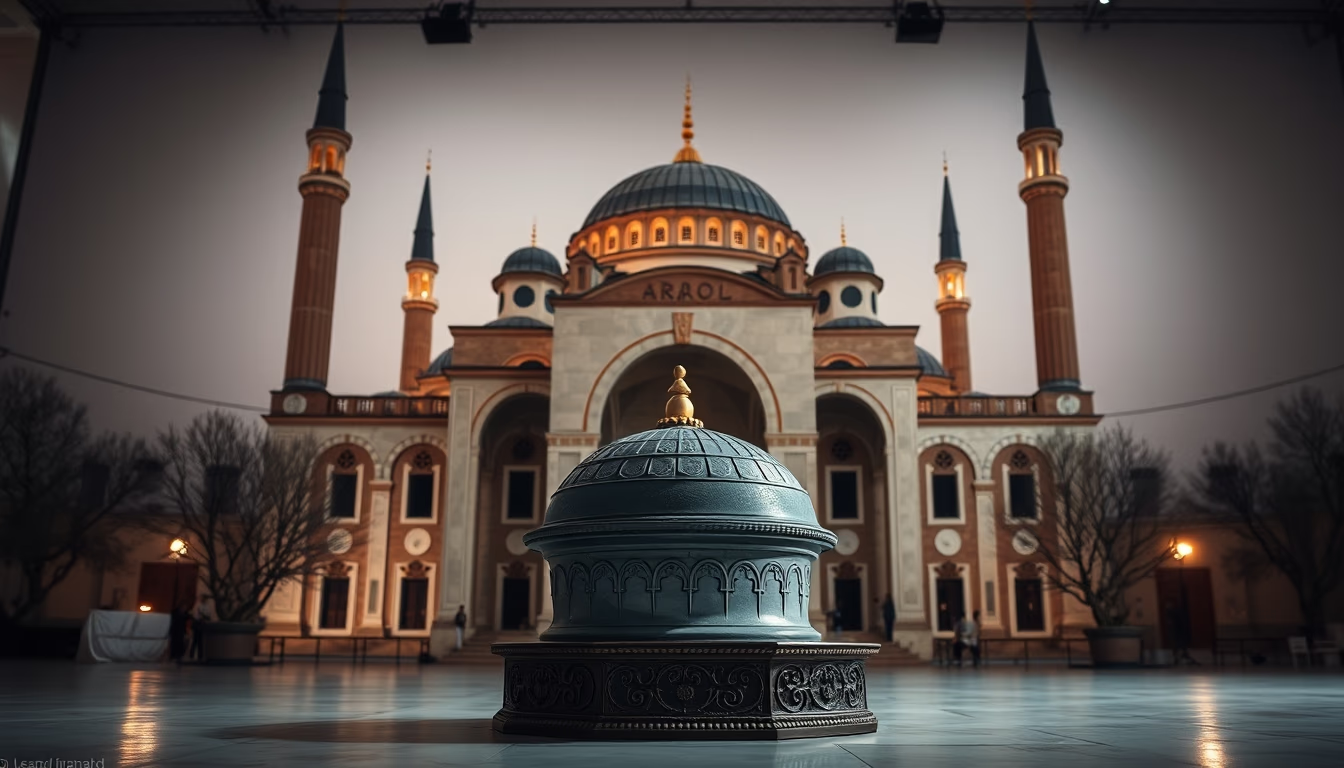
Hagia Sophia in Istanbul is an iconic monument that served as cathedral, mosque, and museum, symbolizing centuries of history and faith.
About this subject
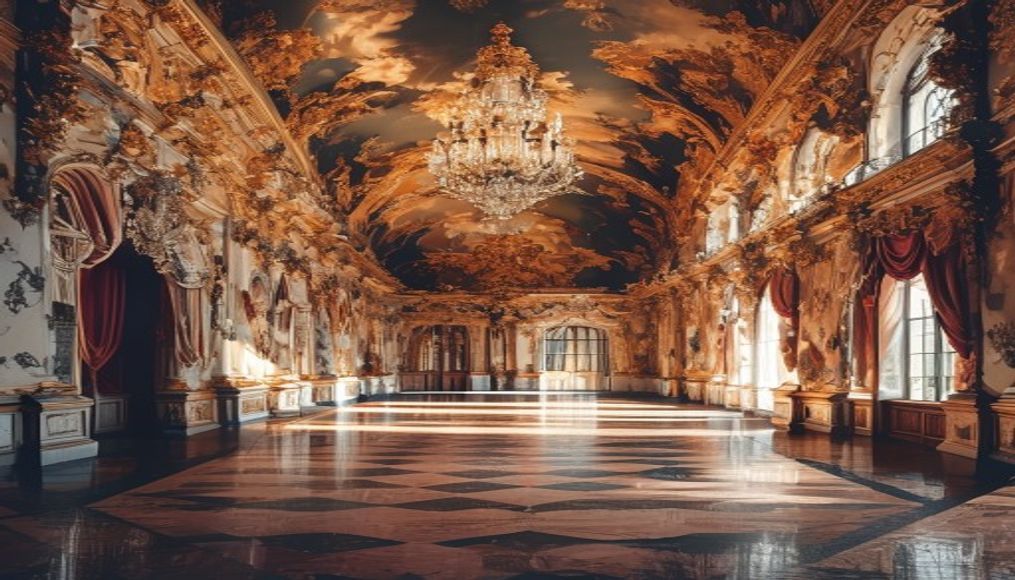
Hagia Sophia was built between 532 and 537 AD under the orders of Byzantine Emperor Justinian I, on the site of two earlier churches. Designed by mathematicians Anthemius of Tralles and Isidore of Miletus, its main dome measures 31 meters in diameter and rises 55 meters from the ground, an engineering marvel for nearly a thousand years. The golden mosaics and marble columns imported from across the Byzantine Empire reflect the wealth and power of Constantinople, the capital.
In 1453, after the Ottoman conquest, Sultan Mehmed II converted the building into a mosque. Christian mosaics were plastered over, and minarets, a mihrab, and a minbar were added. For nearly 500 years, Hagia Sophia served as the principal mosque of Istanbul, inspiring Ottoman architecture such as the Blue Mosque. In 1935, under the secular government of Mustafa Kemal Atatürk, it was turned into a museum, open to visitors of all faiths.
In July 2020, a presidential decree reclassified Hagia Sophia as a mosque, sparking global debates about its status. Today, it functions as a mosque but remains open to tourists outside prayer times. The structure blends Christian and Islamic elements, a complex symbol of overlapping cultures. The dome, with its 40 ribs and windows, appears to float above the interior space, an architectural feat that influenced buildings in both West and East.
Hagia Sophia is located in the Fatih district of Istanbul, on the European side, near Topkapi Palace and the Basilica Cistern. In 1985, it was declared a UNESCO World Heritage Site as part of the Historic Areas of Istanbul. Visitors can admire the grandeur of the space, the restored Byzantine mosaics, and the Islamic calligraphy. The building stands as a testament to the city's turbulent history, once the capital of both Christian and Islamic empires.
Frequently Asked Questions
When was Hagia Sophia built?
Construction began in 532 AD and was completed in 537 AD under Byzantine Emperor Justinian I.
Why was Hagia Sophia converted into a mosque?
After the Ottoman conquest of Constantinople in 1453, Sultan Mehmed II converted it into a mosque to symbolize the shift of power from Christian to Islamic rule.
What is the significance of Hagia Sophia's dome?
The main dome, 31 meters in diameter, is a marvel of Byzantine engineering. It appears to float due to 40 windows at its base, creating a light and spatial effect that influenced later religious architecture.
Direct URL
https://pub-c7d6a6ea828543ac903a74a341ccb2e1.r2.dev/imagens/hagia-sophia-istanbul-studio-still-life-p2.avifHow to credit
Include a visible link back to UtilizAí. Copy one of the snippets below:
<a href="https://xn--utiliza-eza.com/en/midia/imagens/hagia-sophia-istanbul-studio-still-life-p2">Hagia sophia istanbul</a> by <a href="https://xn--utiliza-eza.com">UtilizAí</a>, licensed under <a href="https://creativecommons.org/licenses/by/4.0/">CC BY 4.0</a>.
[Hagia sophia istanbul](https://xn--utiliza-eza.com/en/midia/imagens/hagia-sophia-istanbul-studio-still-life-p2) by [UtilizAí](https://xn--utiliza-eza.com), CC BY 4.0
License: CC-BY-4.0