Hagia sophia istanbul
1344×768 · AVIF · CC BY 4.0
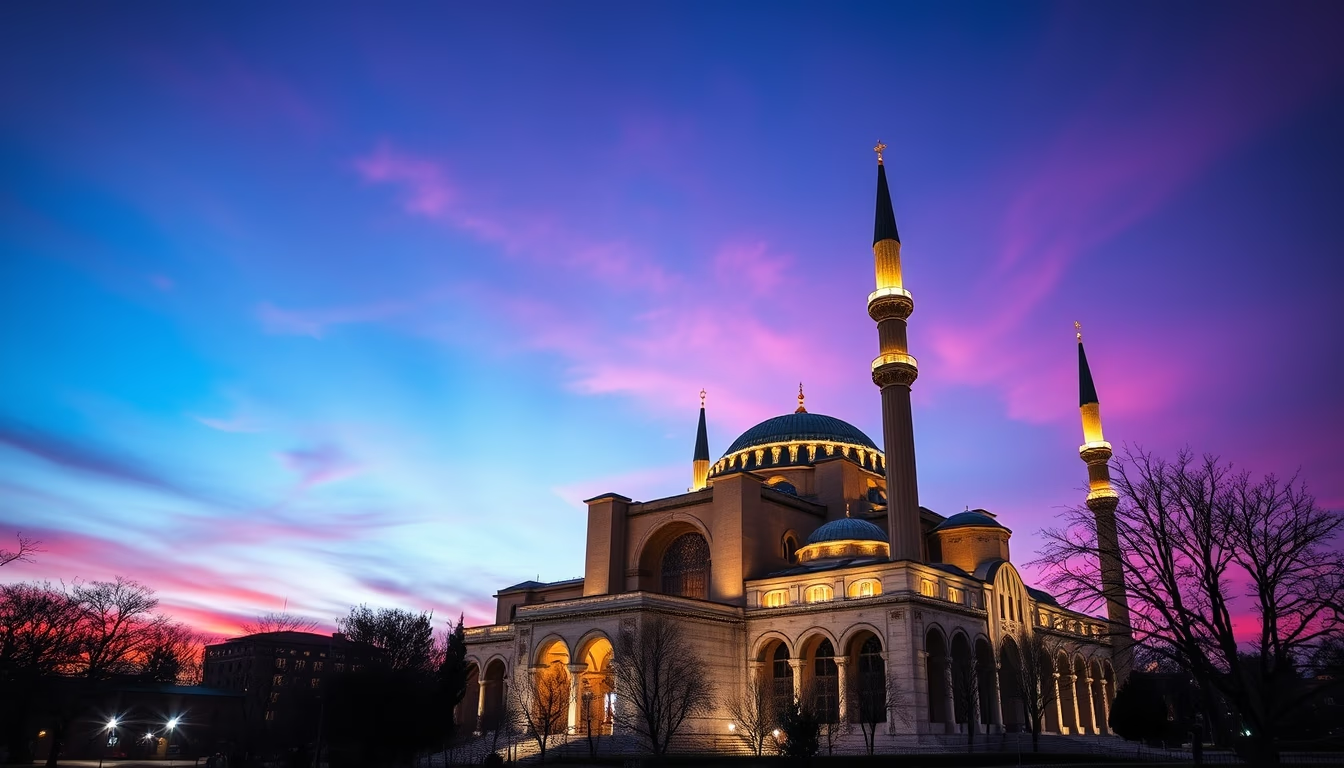
Hagia Sophia in Istanbul blends Byzantine, Ottoman, and modern history as a museum and mosque, a global architectural icon.
About this subject
Hagia Sophia, located in Istanbul, Turkey, is one of the most iconic structures in the world, with a history spanning nearly 1500 years. Originally built as an Eastern Orthodox cathedral between 532 and 537 AD under Byzantine Emperor Justinian I, it was the largest cathedral in the world for almost a millennium. Its impressive dome, 31 meters in diameter and 55 meters high, revolutionized architecture by using pendentives to distribute weight, inspiring later buildings such as St. Peter's Basilica.
After the Ottoman conquest of Constantinople in 1453, Sultan Mehmed II converted Hagia Sophia into a mosque, adding minarets, a mihrab, and a minbar. Christian mosaics were covered with plaster or wooden panels, but many were restored in the 20th century. In 1934, under Mustafa Kemal Atatürk, Hagia Sophia was secularized and turned into a museum, opening to the public as a symbol of interfaith dialogue. However, in 2020, a presidential decree reconverted it into a mosque, though it remains open to visitors of all beliefs.
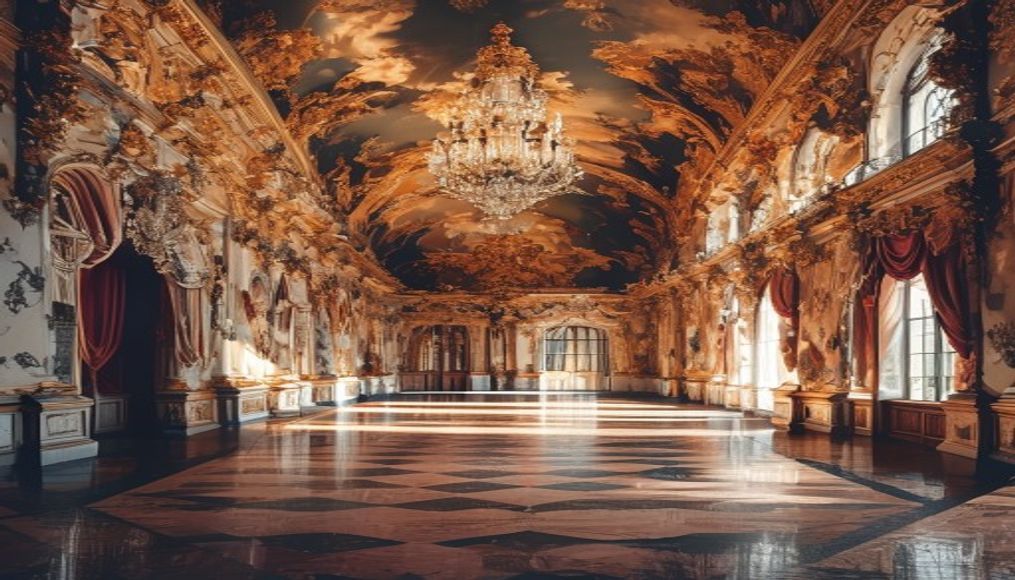
The architecture of Hagia Sophia uniquely blends Byzantine and Ottoman elements. Its main dome appears to float above the interior space due to windows at the base, creating an ethereal light effect. The minarets added by the Ottomans contrast with the original structure, while golden mosaics of saints and emperors, such as the Virgin Mary and Emperor Leo VI, tell stories of power and faith. The interior also features giant Islamic calligraphy with the names of Allah, Muhammad, and the first caliphs.
Today, Hagia Sophia is a UNESCO World Heritage Site and attracts millions of tourists annually. Its significance goes beyond architecture; it is a testament to political and religious changes over centuries. Long exposure photography highlights the interplay of light and shadow inside, emphasizing the spiritual atmosphere and grandeur of the space. Hagia Sophia remains a symbol of Istanbul, a city that bridges two continents and diverse cultures.
Frequently Asked Questions
What is the story behind Hagia Sophia's conversion from museum to mosque in 2020?
In July 2020, the Turkish government under President Recep Tayyip Erdogan revoked Hagia Sophia's museum status via a presidential decree, reclassifying it as a mosque. This sparked international controversy as it is a UNESCO World Heritage site and a symbol of interfaith dialogue. Despite the change, the building remains open to non-Muslim visitors outside prayer times.
What are the most striking architectural features of Hagia Sophia?
The main dome, 31 meters in diameter, is supported by pendentives, creating the illusion of floating. Windows at the dome's base allow light to enter, producing an ethereal effect. Additionally, the minarets added by the Ottomans and the Byzantine mosaics, such as the Virgin Mary and Christ Pantocrator, are distinctive elements.
Is Hagia Sophia currently accessible to tourists?
Yes, Hagia Sophia is open to both Turkish and foreign visitors. However, as it is an active mosque, entry is free outside prayer times, and visitors must follow dress codes and behavior rules, such as women covering their heads and removing shoes. The prayer area is separate, but tourists can circulate in the upper galleries and observe the interior.
Direct URL
https://pub-c7d6a6ea828543ac903a74a341ccb2e1.r2.dev/imagens/hagia-sophia-istanbul-long-exposure-p3.avifHow to credit
Include a visible link back to UtilizAí. Copy one of the snippets below:
<a href="https://xn--utiliza-eza.com/en/midia/imagens/hagia-sophia-istanbul-long-exposure-p3">Hagia sophia istanbul</a> by <a href="https://xn--utiliza-eza.com">UtilizAí</a>, licensed under <a href="https://creativecommons.org/licenses/by/4.0/">CC BY 4.0</a>.
[Hagia sophia istanbul](https://xn--utiliza-eza.com/en/midia/imagens/hagia-sophia-istanbul-long-exposure-p3) by [UtilizAí](https://xn--utiliza-eza.com), CC BY 4.0
License: CC-BY-4.0