Hagia sophia istanbul
1344×768 · AVIF · CC BY 4.0
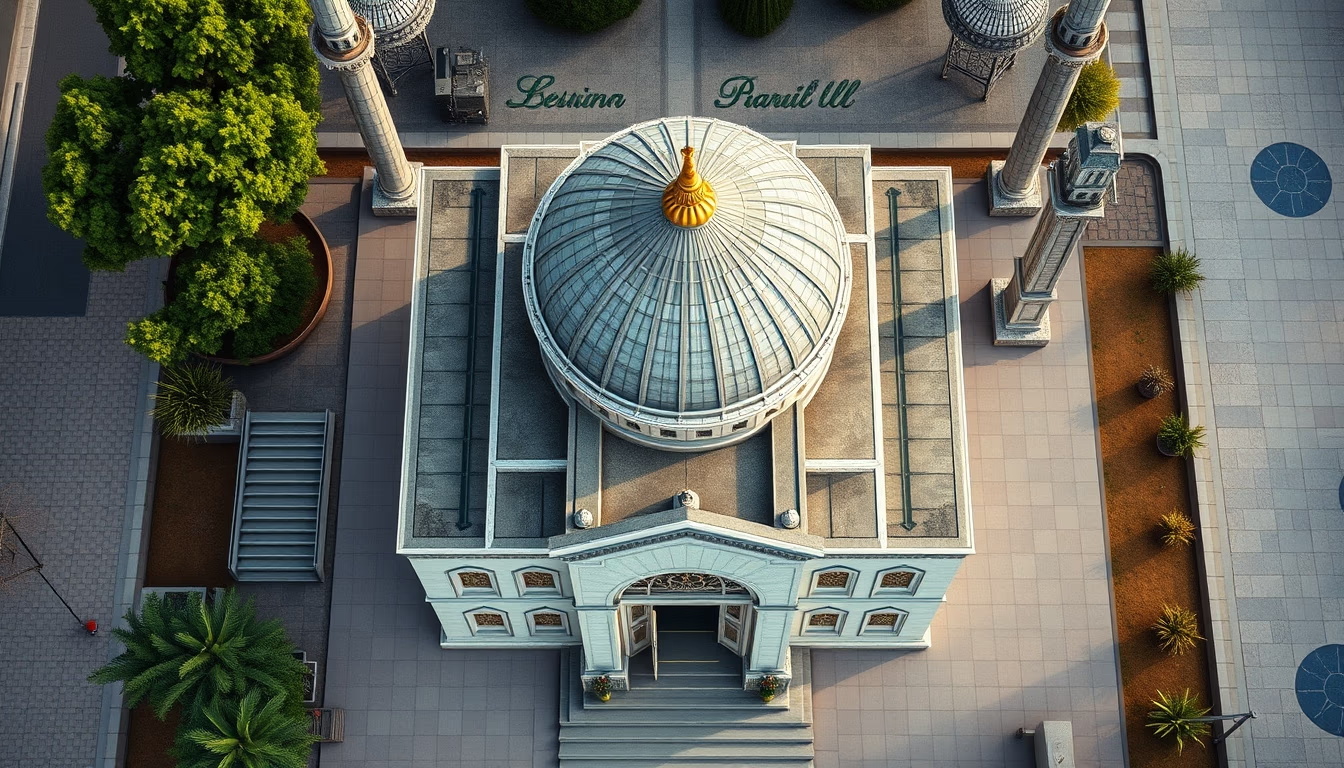
Hagia Sophia in Istanbul is one of the world's most iconic monuments, blending centuries of Byzantine and Ottoman history under its majestic dome.
About this subject
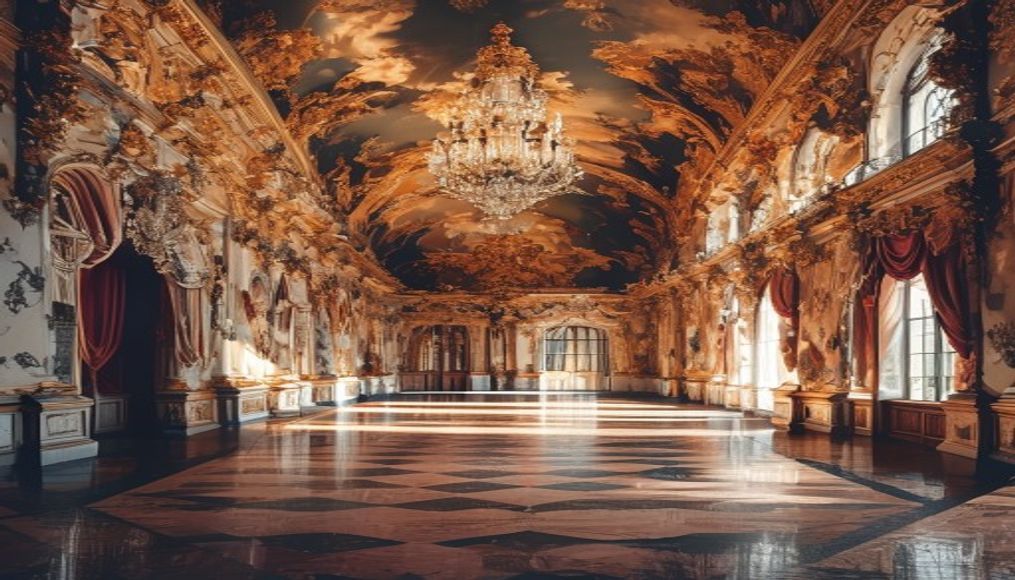
Hagia Sophia, located in Istanbul, Turkey, was built between 532 and 537 AD under Byzantine Emperor Justinian I. Designed by architects Anthemius of Tralles and Isidorus of Miletus, its 31-meter-diameter dome was an engineering marvel of the medieval world, remaining the largest for nearly a thousand years. The structure marks a transition from Roman basilica to Byzantine architecture, with an interior clad in polychrome marble, gold mosaics, and columns taken from ancient temples like the Temple of Artemis in Ephesus.
After the Ottoman conquest of Constantinople in 1453, Sultan Mehmed II converted Hagia Sophia into a mosque, adding minarets, a minbar, and plastering over figurative mosaics. During the Ottoman period, it served as a model for imperial mosques such as the Blue Mosque and remained the primary Islamic place of worship until the empire's fall. In 1935, under Mustafa Kemal Atatürk, it was secularized and turned into a museum, allowing restoration of mosaics and global tourism.
In 2020, the Turkish government reverted its status to a mosque, reopening for prayers while keeping parts accessible to tourists. Hagia Sophia has been a UNESCO World Heritage site since 1985, recognized for its influence on religious architecture and as a symbol of cultural confluence. Millions visit annually to see the fusion of Christian and Islamic art, such as the mosaic of the Virgin Mary and the giant calligraphic medallions bearing names of Allah and Prophet Muhammad.
Notably, the original dome collapsed in 558 AD due to an earthquake and was rebuilt with a higher profile. The name "Hagia Sophia" means "Holy Wisdom," referring to a divine attribute in Christianity. The structure has inspired numerous replicas, including Saint Sophia's Cathedral in Kyiv and the nearby Blue Mosque, and remains a controversial emblem of Istanbul's multicultural heritage.
Frequently Asked Questions
When was Hagia Sophia built and by whom?
Hagia Sophia was built between 532 and 537 AD by Byzantine Emperor Justinian I. Its architects were Anthemius of Tralles and Isidorus of Miletus.
Why is Hagia Sophia famous?
It is famous for its massive dome, architectural innovation, and its history as an Orthodox cathedral, Ottoman mosque, and museum. It is a UNESCO World Heritage site and a symbol of cultural fusion between Christianity and Islam.
What is Hagia Sophia's current status?
Since July 2020, Hagia Sophia functions as a mosque, open for Muslim prayers. Tourists can still visit designated areas, such as the upper gallery, outside prayer times.
Direct URL
https://pub-c7d6a6ea828543ac903a74a341ccb2e1.r2.dev/imagens/hagia-sophia-istanbul-isometric-flat-lay-p4.avifHow to credit
Include a visible link back to UtilizAí. Copy one of the snippets below:
<a href="https://xn--utiliza-eza.com/en/midia/imagens/hagia-sophia-istanbul-isometric-flat-lay-p4">Hagia sophia istanbul</a> by <a href="https://xn--utiliza-eza.com">UtilizAí</a>, licensed under <a href="https://creativecommons.org/licenses/by/4.0/">CC BY 4.0</a>.
[Hagia sophia istanbul](https://xn--utiliza-eza.com/en/midia/imagens/hagia-sophia-istanbul-isometric-flat-lay-p4) by [UtilizAí](https://xn--utiliza-eza.com), CC BY 4.0
License: CC-BY-4.0