Hagia sophia istanbul
1344×768 · AVIF · CC BY 4.0
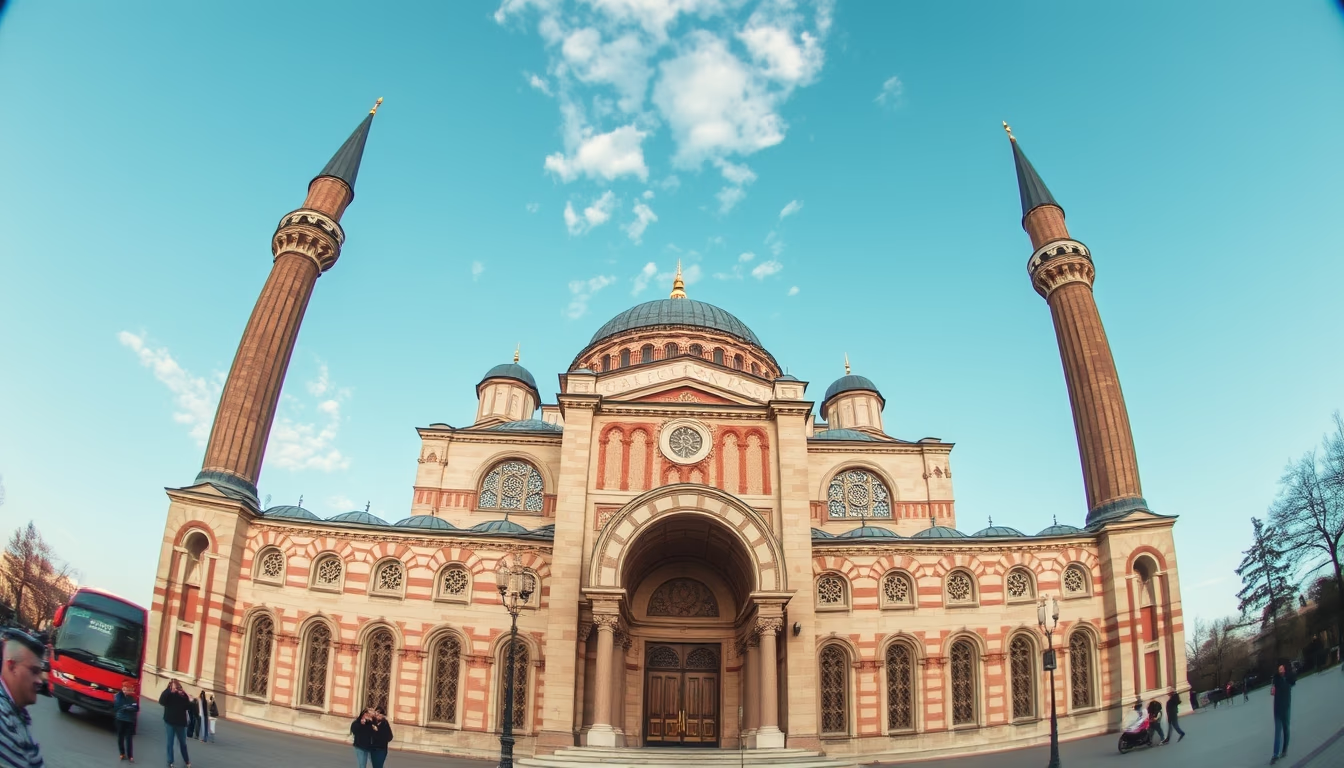
Hagia Sophia in Istanbul is a masterpiece of Byzantine architecture that has served as a cathedral, mosque, and museum, now one of the world's most visited landmarks.
About this subject
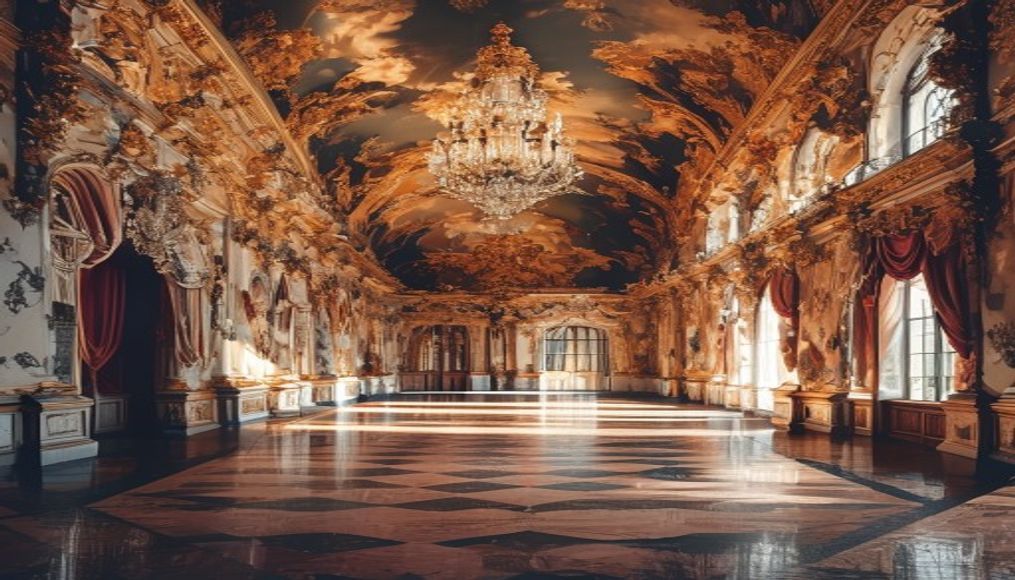
Hagia Sophia, located in the Fatih district of Istanbul, Turkey, is one of the most iconic examples of Byzantine architecture. Built between 532 and 537 AD under the orders of Emperor Justinian I, the structure was designed by mathematicians Anthemius of Tralles and Isidore of Miletus. Its central dome, 31 meters in diameter and 56 meters high, was a technical innovation that influenced religious architecture for centuries. The interior is clad with colorful marbles, gold mosaics, and columns of porphyry and granite, many brought from ancient temples across the Byzantine Empire.
After the Ottoman conquest in 1453, Sultan Mehmed II converted Hagia Sophia into a mosque, adding minarets, a mihrab, and a minbar. Christian mosaics were covered or removed, though some were restored in the 20th century. In 1935, under the secular government of Mustafa Kemal Atatürk, Hagia Sophia was turned into a museum, open to visitors of all faiths. In 2020, Turkish President Recep Tayyip Erdoğan signed a decree reverting its status to a mosque, allowing it to continue receiving tourists outside prayer times.
The cultural importance of Hagia Sophia extends beyond religion: it symbolizes the transition between the Byzantine and Ottoman empires and is a landmark of medieval engineering. In 1985, it was inscribed as a UNESCO World Heritage site as part of the 'Historic Areas of Istanbul'. It receives over 3 million visitors annually, making it one of the most visited museums (now mosque) in the world. Its influence can be seen in structures like the Blue Mosque and St. Mark's Basilica in Venice.
Interestingly, Hagia Sophia's dome collapsed twice due to earthquakes and was rebuilt with reinforcements. The name 'Hagia Sophia' means 'Holy Wisdom' in Greek, referring not to a specific saint but to the divine concept of wisdom. The building also inspired Renaissance and Ottoman architects, cementing its legacy as one of the most influential structures in history.
Frequently Asked Questions
What is the current function of Hagia Sophia?
Since July 2020, Hagia Sophia functions as a mosque but remains open to tourist visits outside prayer times, free of charge.
Is Hagia Sophia a UNESCO World Heritage site?
Yes, Hagia Sophia is part of the 'Historic Areas of Istanbul', a UNESCO World Heritage site inscribed in 1985.
How long did it take to build Hagia Sophia?
The construction of Hagia Sophia was completed in about 5 years, between 532 and 537 AD, a remarkable feat for the time.
Direct URL
https://pub-c7d6a6ea828543ac903a74a341ccb2e1.r2.dev/imagens/hagia-sophia-istanbul-fish-eye-wide-angle-p5.avifHow to credit
Include a visible link back to UtilizAí. Copy one of the snippets below:
<a href="https://xn--utiliza-eza.com/en/midia/imagens/hagia-sophia-istanbul-fish-eye-wide-angle-p5">Hagia sophia istanbul</a> by <a href="https://xn--utiliza-eza.com">UtilizAí</a>, licensed under <a href="https://creativecommons.org/licenses/by/4.0/">CC BY 4.0</a>.
[Hagia sophia istanbul](https://xn--utiliza-eza.com/en/midia/imagens/hagia-sophia-istanbul-fish-eye-wide-angle-p5) by [UtilizAí](https://xn--utiliza-eza.com), CC BY 4.0
License: CC-BY-4.0