Gyrocopter autogyro
1344×768 · AVIF · CC BY 4.0
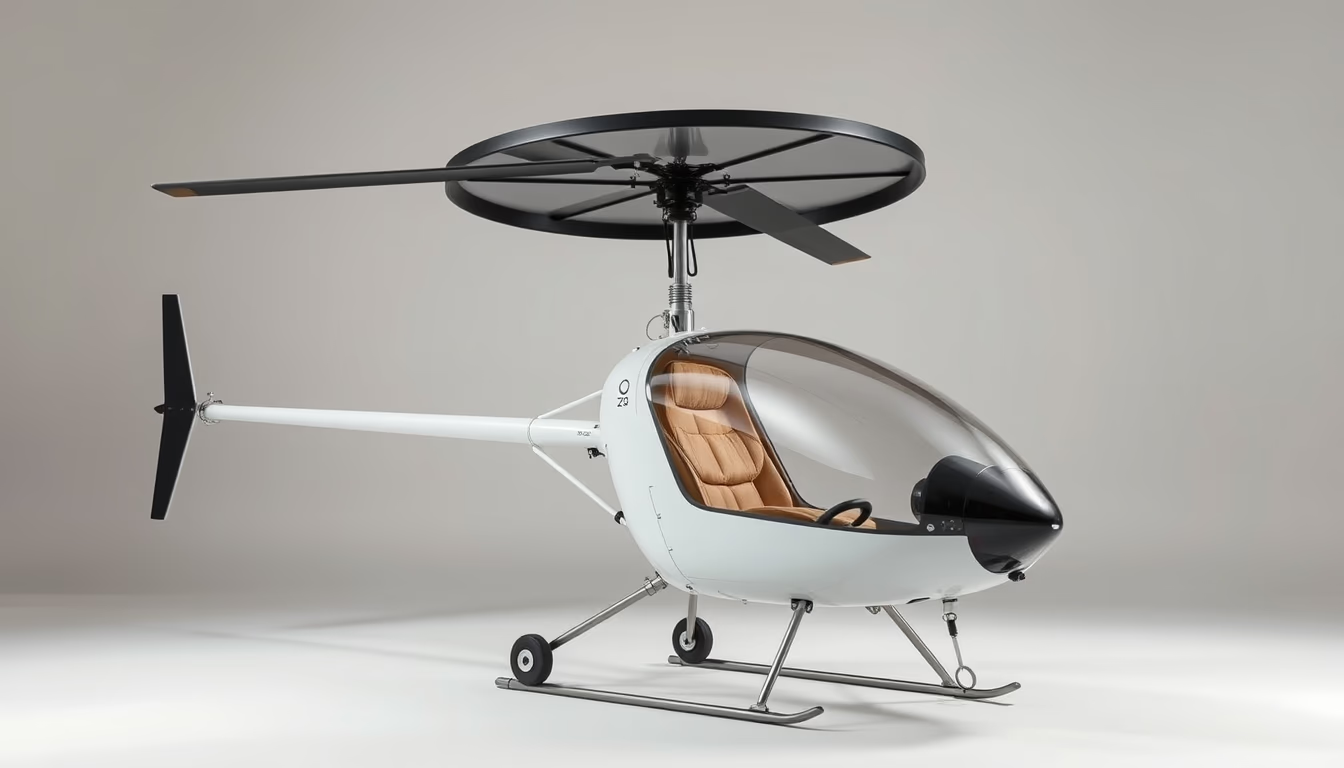
The gyrocopter, also known as autogyro, is a rotary-wing aircraft that combines features of helicopters and airplanes, using an unpowered rotor for lift.
About this subject
The gyrocopter, or autogyro, was invented by Spanish engineer Juan de la Cierva in 1923. Unlike a helicopter, its main rotor is not powered; it spins freely due to forward motion (autorotation), generating lift. A conventional propeller (tractor or pusher) provides horizontal thrust. This configuration makes the gyrocopter simpler and safer than a helicopter because even with engine failure, it continues to fly controllably until landing.
Autogyros were widely used in the 1930s and 1940s for military reconnaissance and airmail, serving as precursors to the modern helicopter. After a decline, they experienced a renaissance from the 1960s onward as sport and experimental aircraft. Today, they are popular among aviation enthusiasts for low cost, simple maintenance, and ability to operate from short runways. Models such as the Air & Space 18A and the Little Wing are well-known examples.
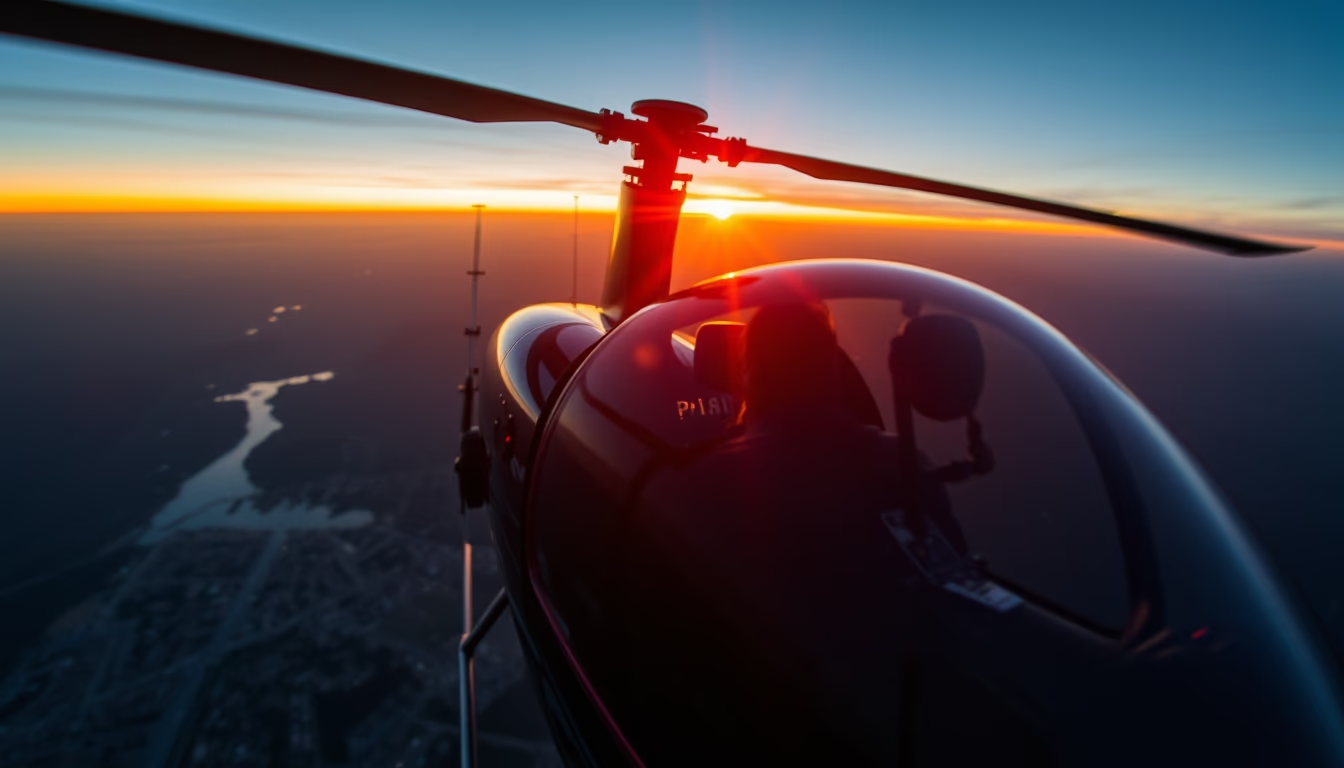
A technical curiosity: the gyrocopter's rotor tilts backward to generate lift, and the pilot controls collective and cyclic pitch similarly to a helicopter. However, the absence of a complex transmission for the rotor reduces weight and mechanical complexity. In the United States, the FAA classifies gyrocopters as rotorcraft; pilots need a specific rating. They are used in agricultural spraying, surveillance, and tourism.
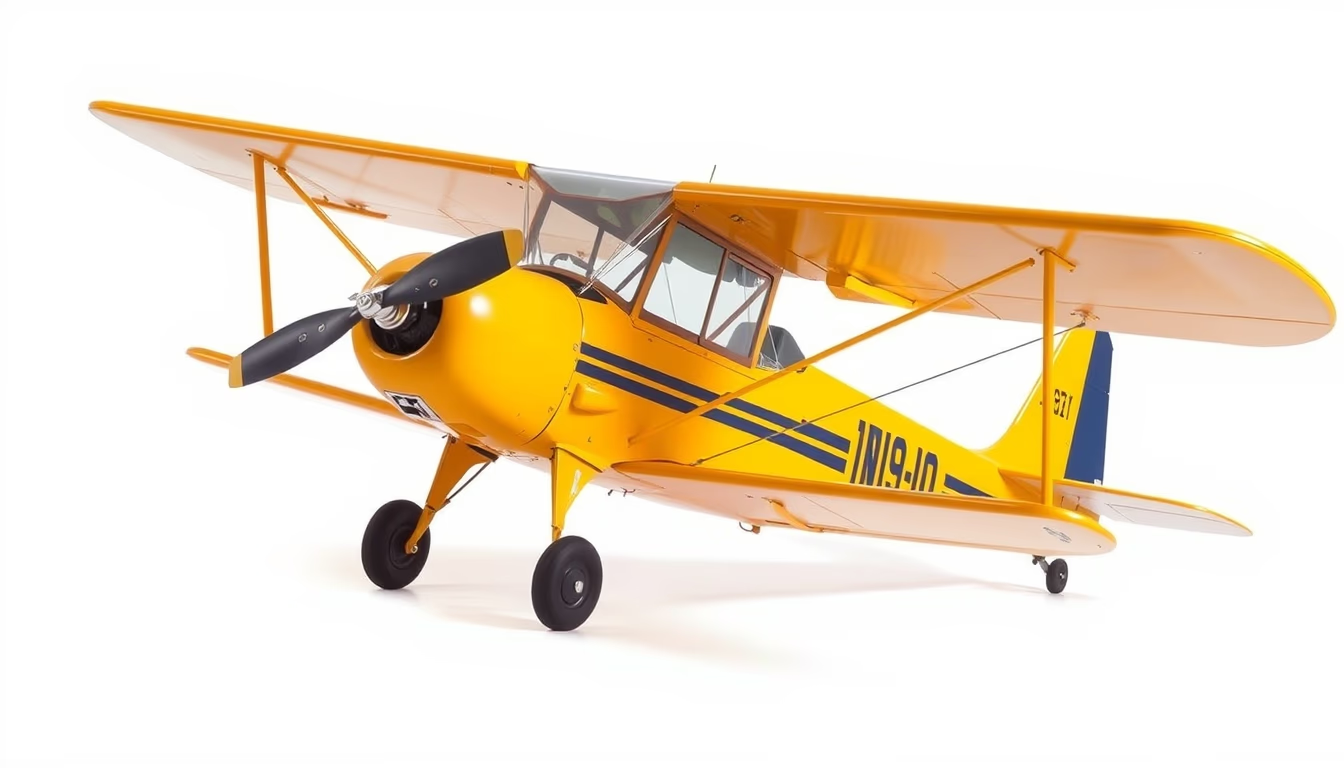
The studio image highlights the aerodynamic lines of the gyrocopter, with its rotor either disassembled or at rest, emphasizing the tubular frame and open cockpit typical of these aircraft. The neutral background allows focus on mechanical details such as the rotor hub and propeller.
Frequently Asked Questions
What is the difference between a gyrocopter and a helicopter?
In a helicopter, the rotor is powered and can generate lift while hovering. In a gyrocopter, the rotor spins freely via autorotation, requiring forward motion to stay aloft. This makes gyrocopters simpler and safer in case of engine failure.
Do I need a pilot license to fly an autogyro in the United States?
Yes, the FAA requires at least a Sport Pilot Rotorcraft Gyroplane certificate or a Private Pilot Rotorcraft Gyroplane rating. Specific training and a practical test are necessary.
What is the typical top speed of a gyrocopter?
Modern gyrocopters cruise between 50-100 mph (80-160 km/h), with top speeds around 112 mph (180 km/h). The limit is lower than fixed-wing aircraft due to rotor drag.
Direct URL
https://pub-c7d6a6ea828543ac903a74a341ccb2e1.r2.dev/imagens/gyrocopter-autogyro-studio-still-life-fresh2.avifHow to credit
Include a visible link back to UtilizAí. Copy one of the snippets below:
<a href="https://xn--utiliza-eza.com/en/midia/imagens/gyrocopter-autogyro-studio-still-life-fresh2">Gyrocopter autogyro</a> by <a href="https://xn--utiliza-eza.com">UtilizAí</a>, licensed under <a href="https://creativecommons.org/licenses/by/4.0/">CC BY 4.0</a>.
[Gyrocopter autogyro](https://xn--utiliza-eza.com/en/midia/imagens/gyrocopter-autogyro-studio-still-life-fresh2) by [UtilizAí](https://xn--utiliza-eza.com), CC BY 4.0
License: CC-BY-4.0