Gyrocopter autogyro
1344×768 · AVIF · CC BY 4.0
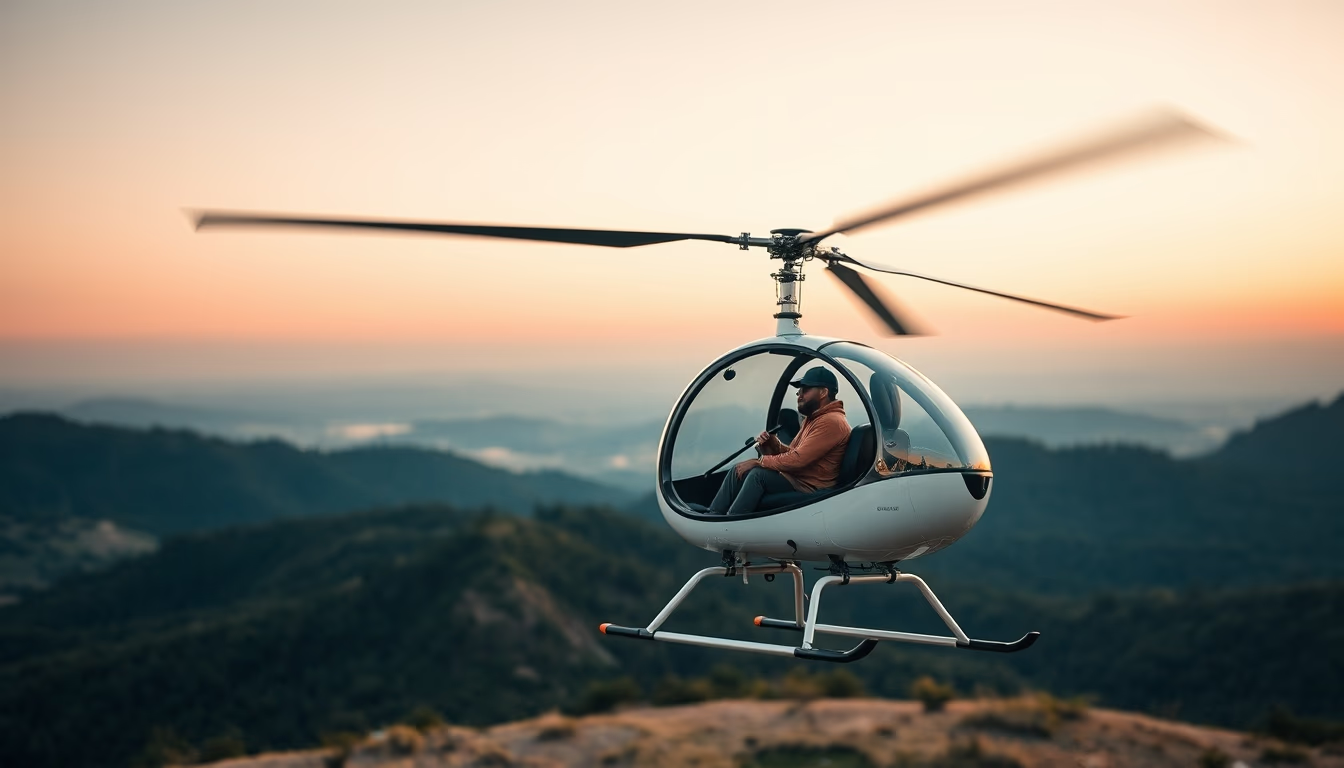
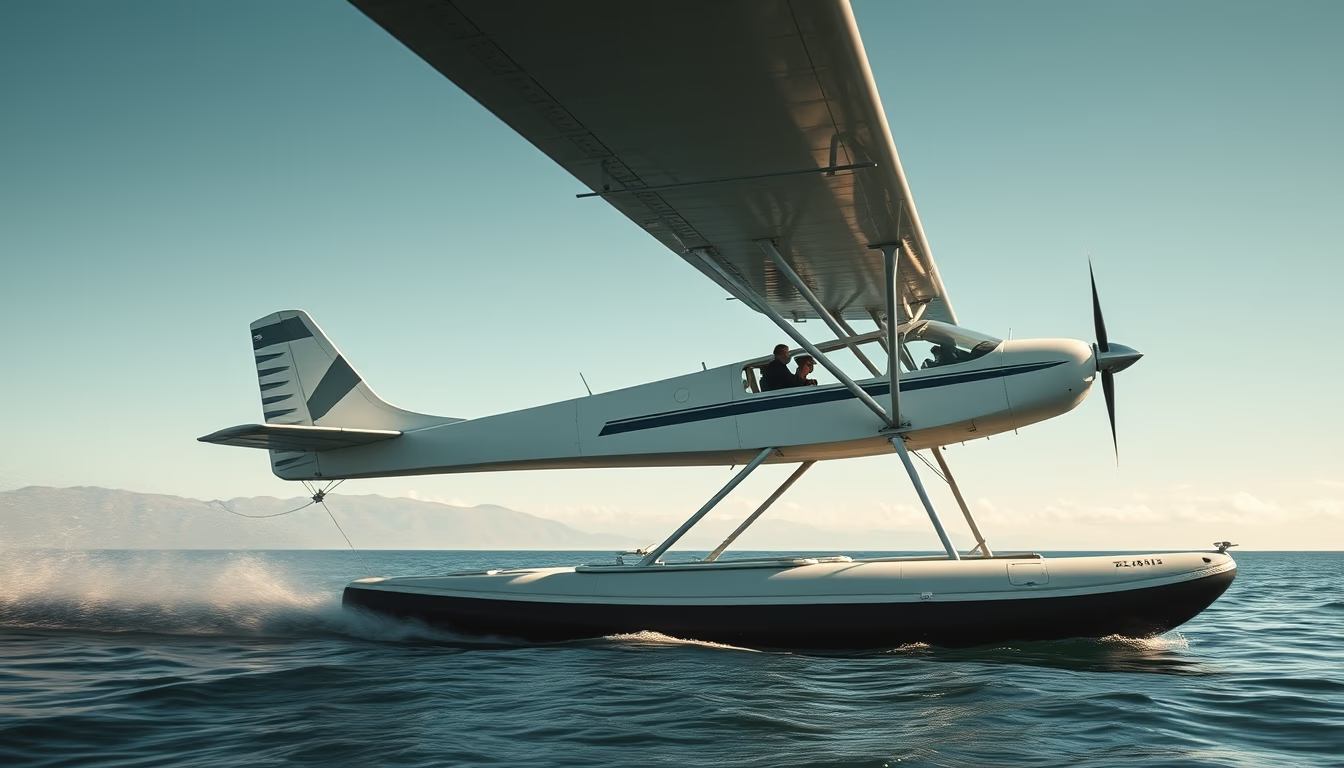
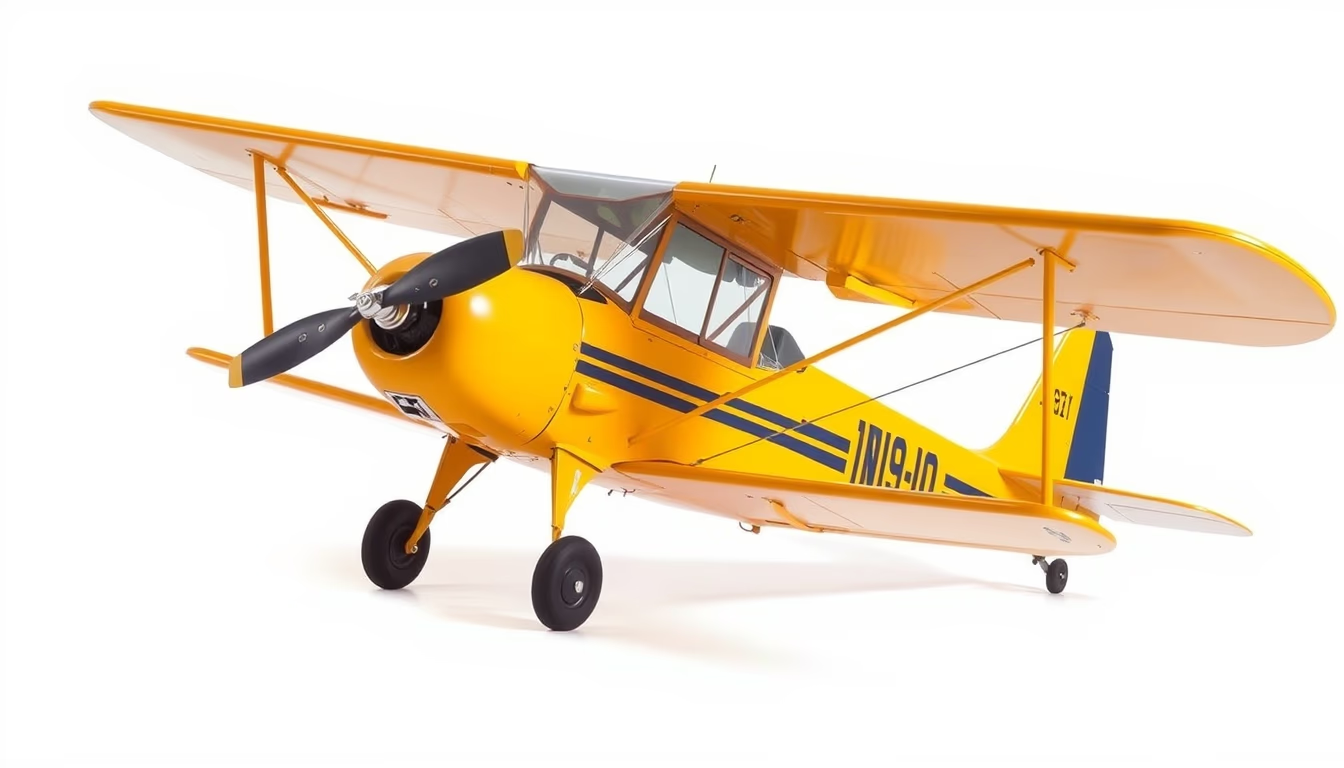
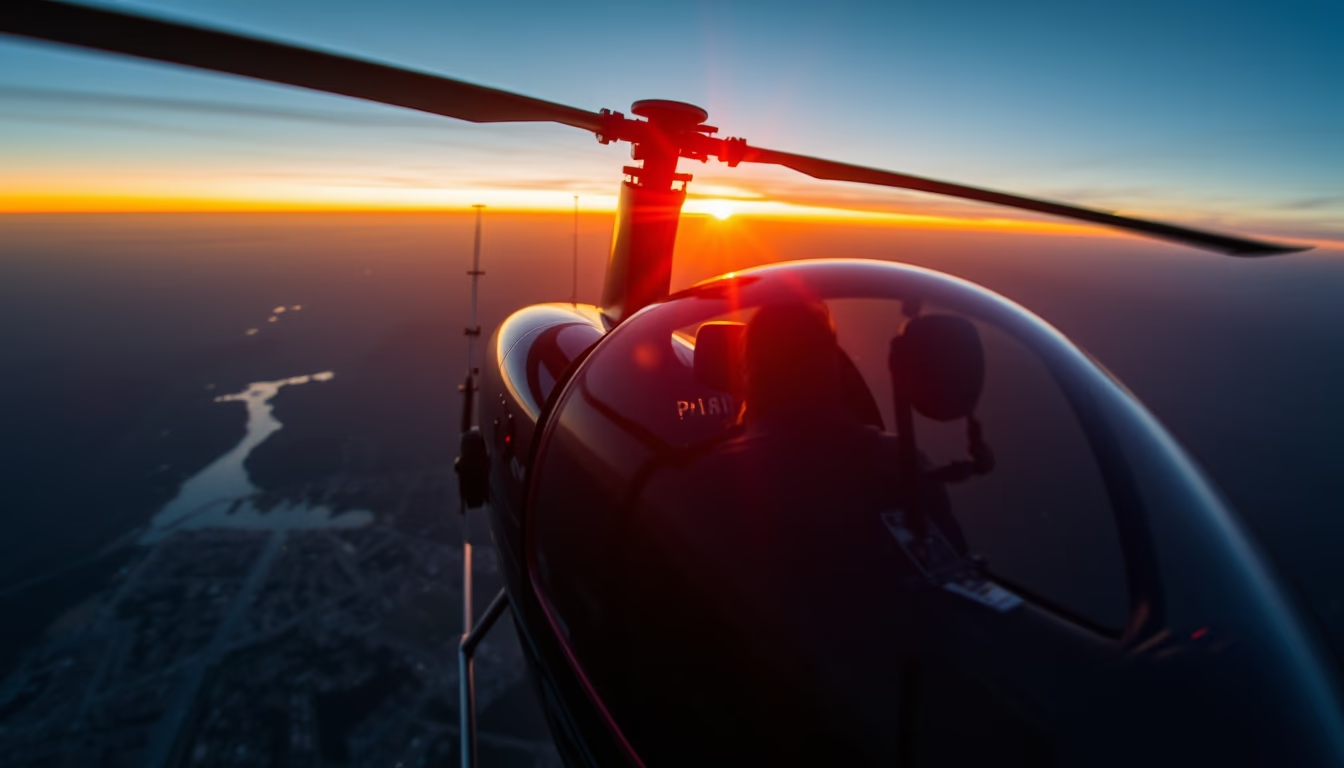
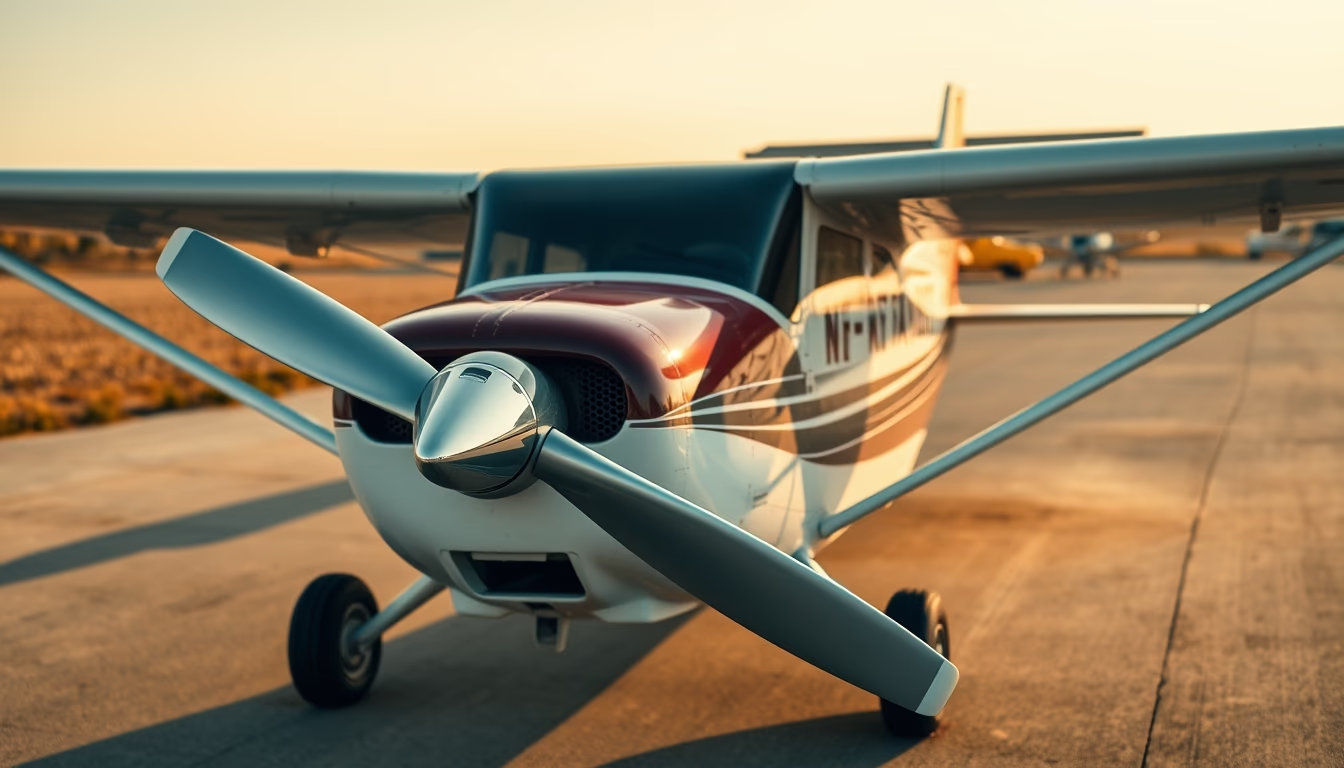
The autogyro, a precursor to the helicopter, is a rotary-wing aircraft that combines fixed wings and rotors for stable and safe flight.
About this subject
The autogyro, also known as a gyrocopter, was invented by Spanish engineer Juan de la Cierva in 1923. Its key innovation is the free-spinning rotor in autorotation, which rotates due to upward airflow, eliminating the need for a powered driveshaft to generate lift. This design makes the autogyro inherently safe, as even with engine failure, the rotor continues spinning, allowing a gentle descent and landing.
Unlike a helicopter, an autogyro cannot hover, but it can take off in short distances and fly at low speeds. A separate propeller (front or rear) provides forward thrust, while the main rotor sustains the aircraft. During World War II, autogyros were used for observation and reconnaissance, but they were gradually replaced by more versatile helicopters.
Today, autogyros are popular in recreational and sport aviation due to low operating costs and ease of maintenance. They are also used for aerial surveillance, photography, and agriculture. Modern models can reach speeds up to 200 km/h and altitudes of 4,500 meters. Safety is a major appeal: the risk of stalling is virtually nonexistent, and flight remains stable even in moderate wind conditions.
A historical curiosity: the first successful autogyro, the Cierva C.4, made its maiden flight on January 9, 1923. Juan de la Cierva developed the flapping hinge on rotor blades, an essential component later adopted by helicopters. To control the autogyro, the pilot uses a stick and rudder pedals that act on conventional aerodynamic surfaces like elevators and rudders. While less agile than a helicopter, the autogyro offers a unique and enjoyable flying experience.
Frequently Asked Questions
What is the difference between an autogyro and a helicopter?
In a helicopter, the rotor is powered and can change blade pitch to generate lift and thrust, enabling hovering. In an autogyro, the rotor spins freely in autorotation, providing only lift, while a separate propeller provides forward thrust. Thus, an autogyro cannot hover and depends on forward motion to stay airborne.
Is it safe to fly an autogyro?
Yes, autogyros are considered very safe aircraft. During engine failure, the rotor continues spinning due to airflow, allowing a controlled descent and gentle landing. Additionally, the risk of stalling is virtually absent because autorotation maintains lift at low speeds.
What are the current uses of autogyros?
Today, autogyros are primarily used for recreational and sport aviation. They are also employed in aerial surveillance, traffic monitoring, pipeline and power line inspection, aerial photography, and crop dusting. Their low operating cost and ease of flying make them attractive for enthusiasts.
Direct URL
https://pub-c7d6a6ea828543ac903a74a341ccb2e1.r2.dev/imagens/gyrocopter-autogyro-documentary-nature-style-fresh17.avifHow to credit
Include a visible link back to UtilizAí. Copy one of the snippets below:
<a href="https://xn--utiliza-eza.com/en/midia/imagens/gyrocopter-autogyro-documentary-nature-style-fresh17">Gyrocopter autogyro</a> by <a href="https://xn--utiliza-eza.com">UtilizAí</a>, licensed under <a href="https://creativecommons.org/licenses/by/4.0/">CC BY 4.0</a>.
[Gyrocopter autogyro](https://xn--utiliza-eza.com/en/midia/imagens/gyrocopter-autogyro-documentary-nature-style-fresh17) by [UtilizAí](https://xn--utiliza-eza.com), CC BY 4.0
License: CC-BY-4.0