Gyrocopter autogyro
1344×768 · AVIF · CC BY 4.0
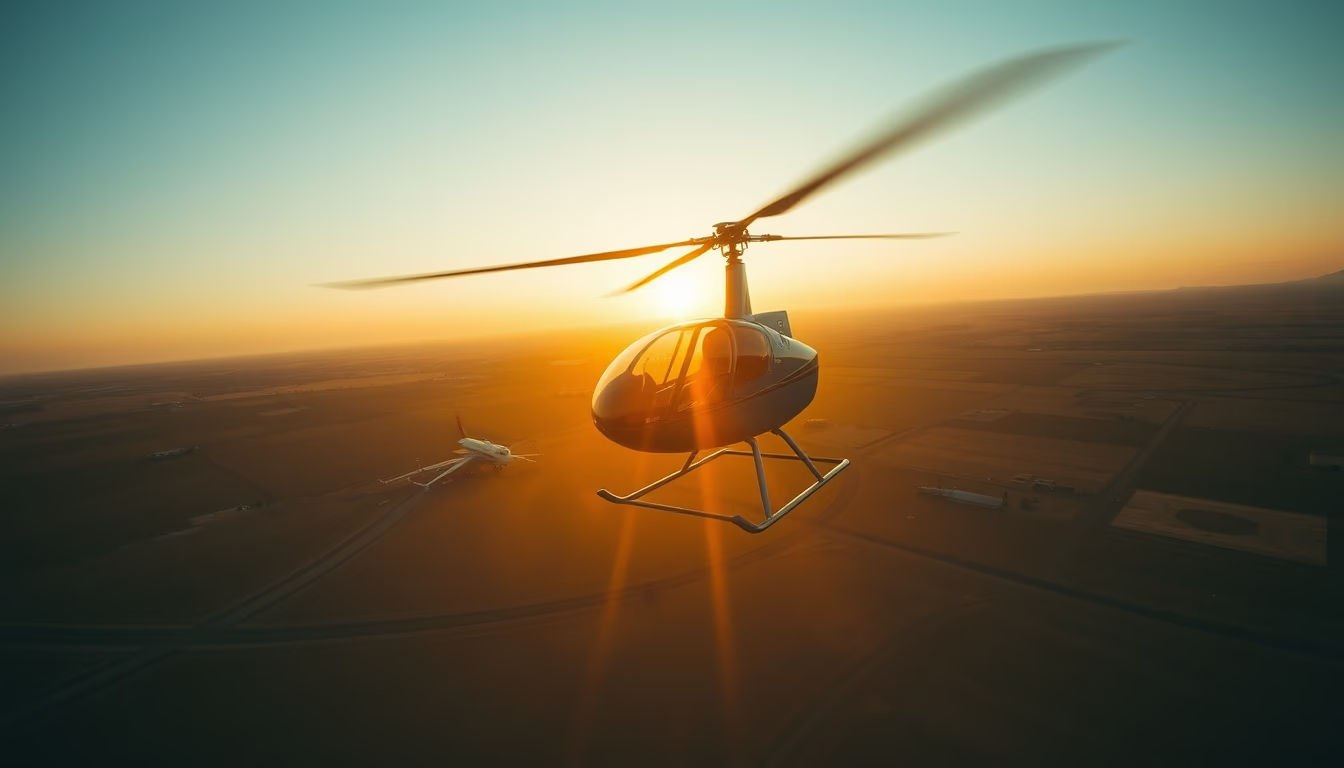
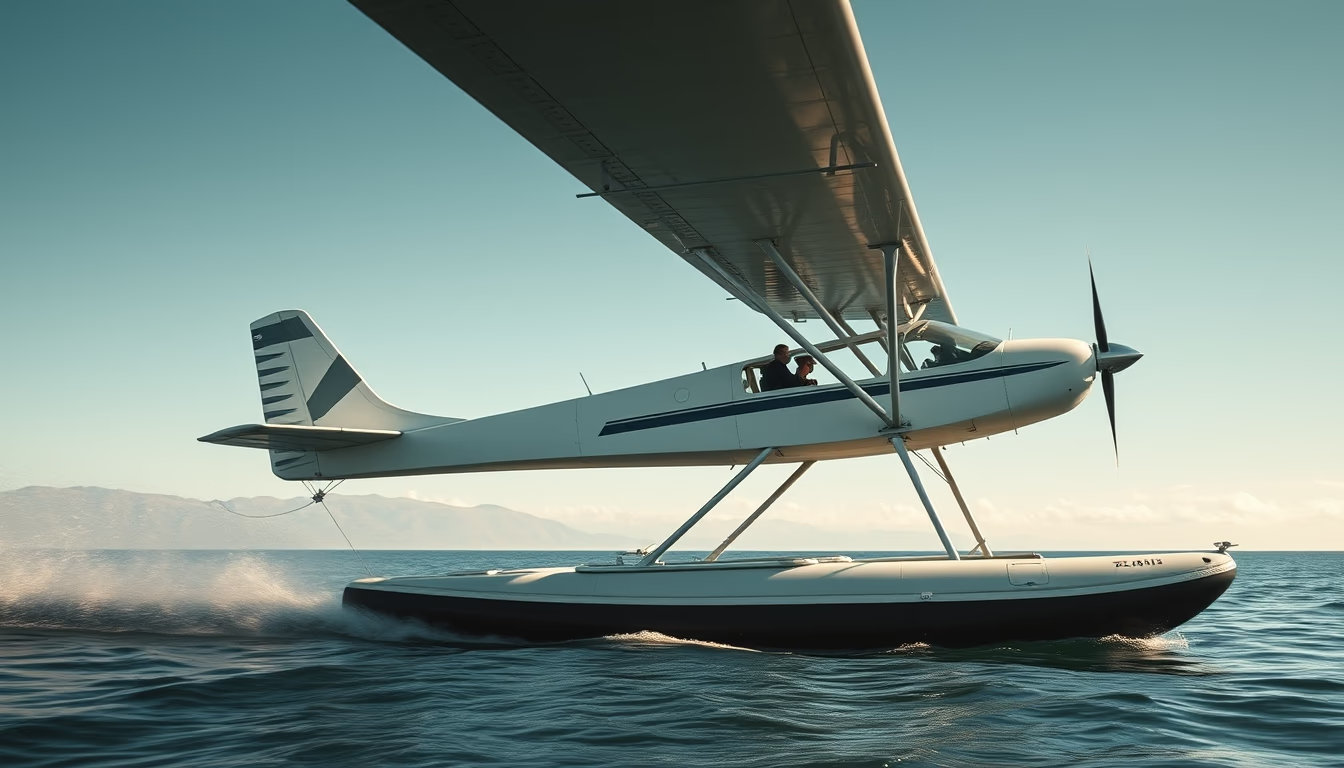
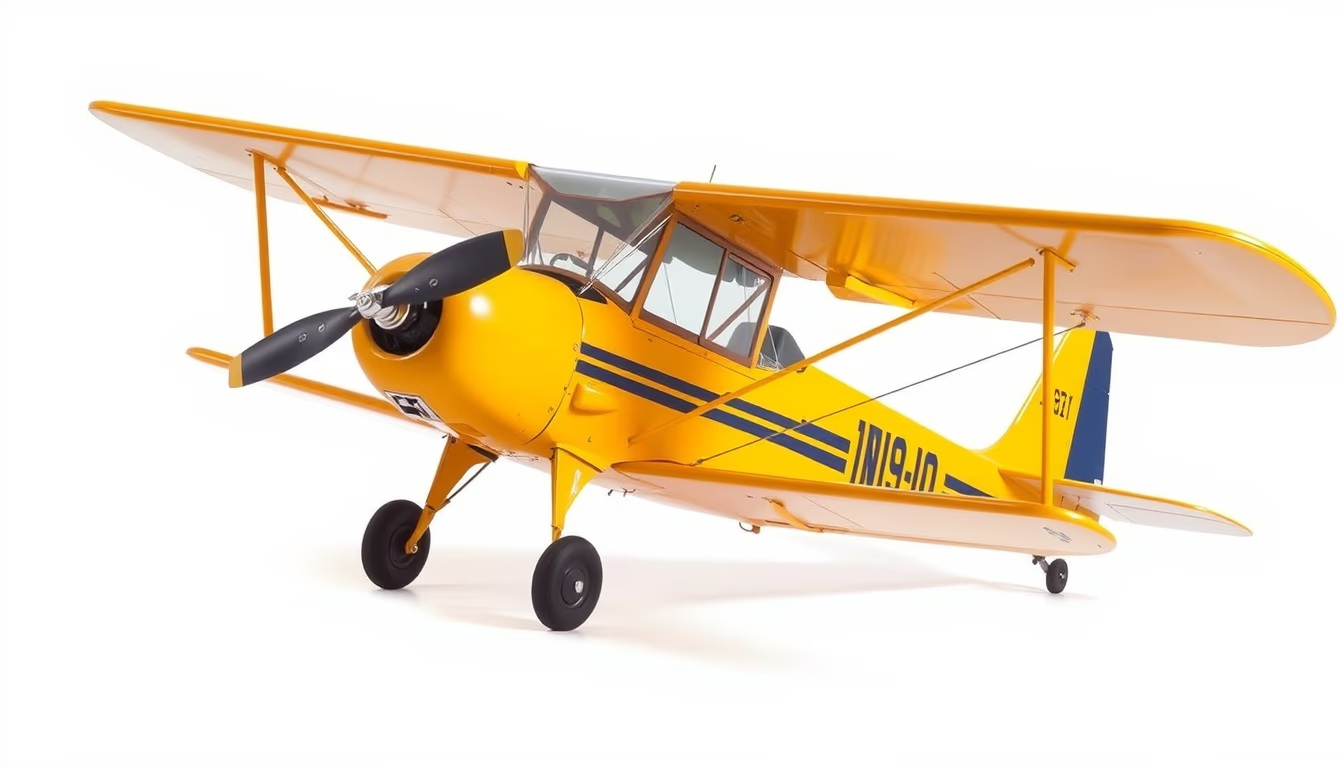
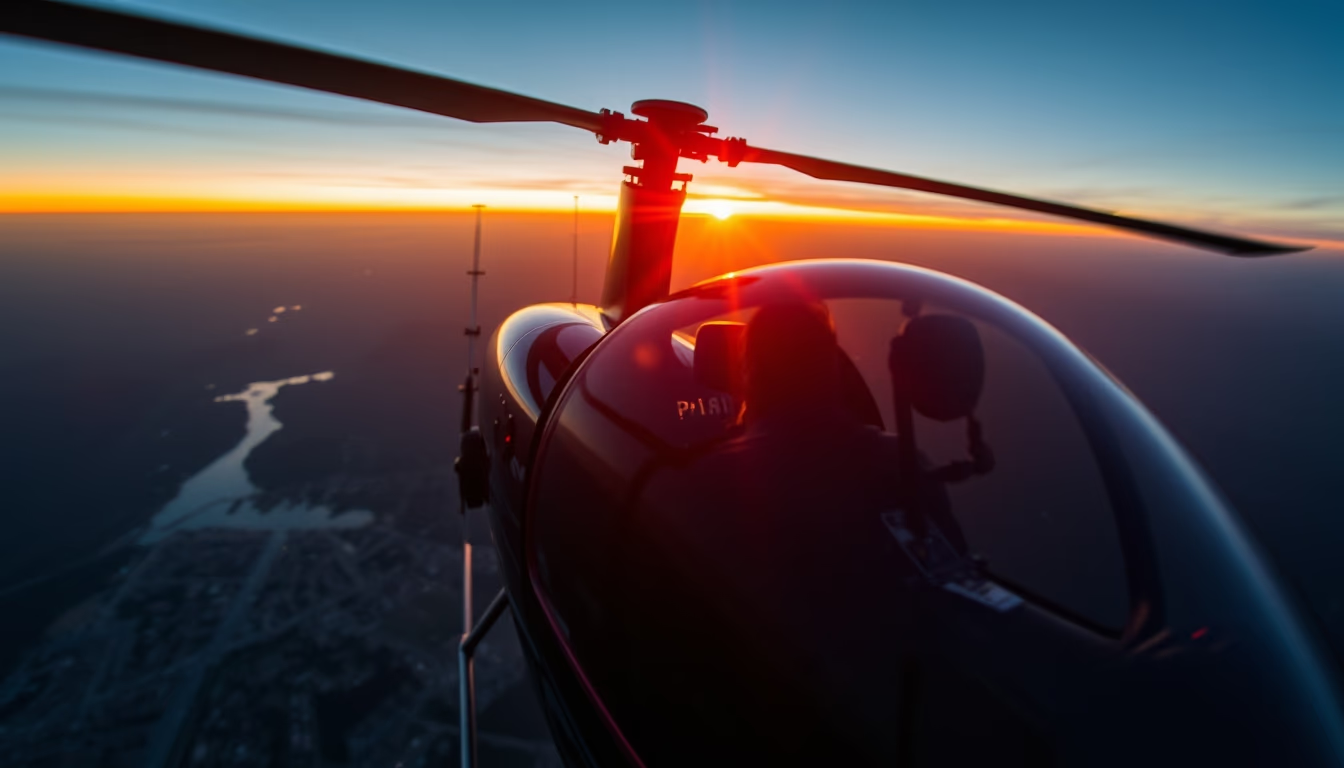
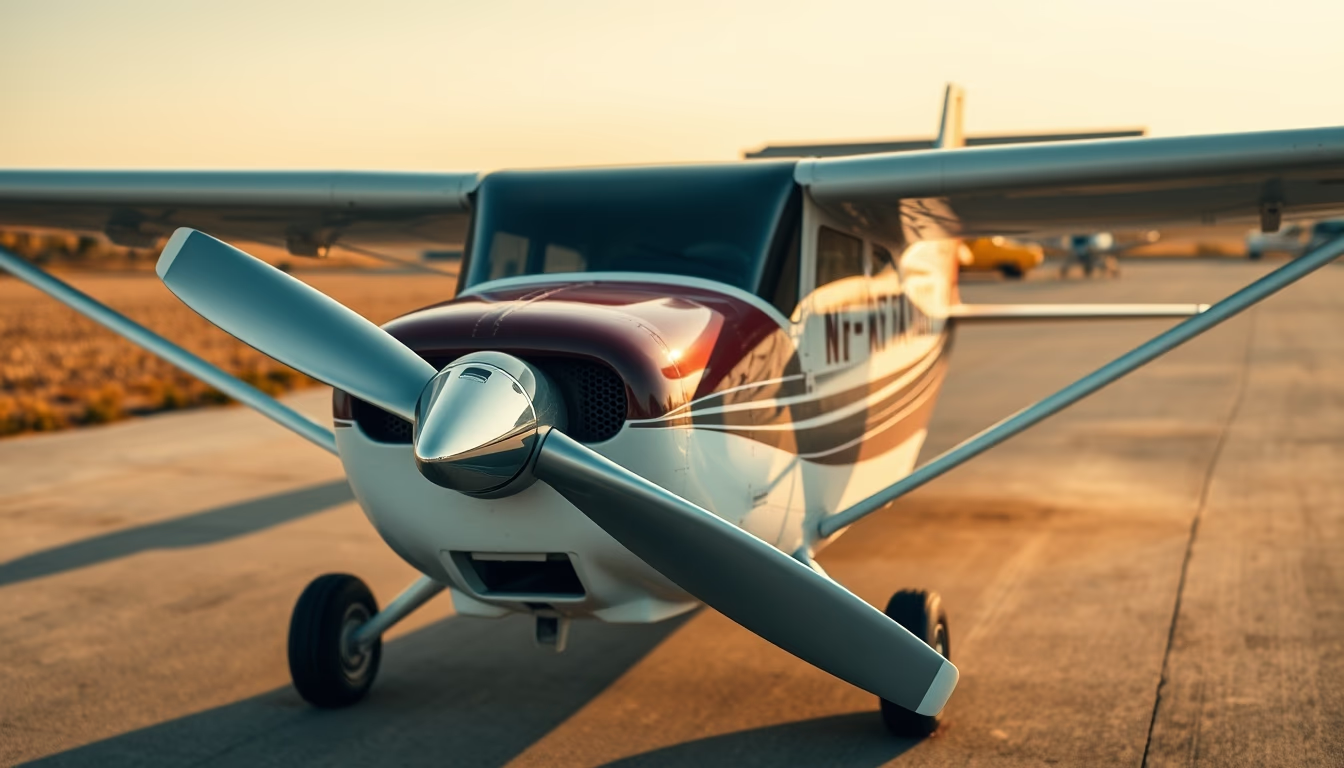
The gyrocopter or autogyro is a rotorcraft that uses an unpowered rotor in autorotation. Invented by Juan de la Cierva in the 1920s, it combines simplicity and safety for recreational flight.
About this subject
The gyrocopter, also known as autogyro, is a rotorcraft that differs from a helicopter by having an unpowered main rotor. It operates in autorotation, meaning the rotor spins freely due to the upward airflow during flight. Propulsion is provided by a conventional engine-driven propeller, usually mounted at the rear or front of the fuselage. This configuration makes the gyrocopter simpler and lighter than a helicopter, and it is considered inherently safe: even if the engine fails, the rotor continues turning, allowing a controlled landing.
The concept was developed by Spanish engineer Juan de la Cierva, who made the first successful flight in 1923 with the Cierva C.4. Initially, autogyros were used for military exploration and reconnaissance, but they fell out of favor as helicopters advanced. However, interest revived from the 1960s onward for recreational and sport flying, especially in the United States and Europe. Models like the Bensen B-8M and Air & Space 18A popularized homebuilt and experimental autogyros.
Today, gyrocopters are primarily used for leisure flying, pilot training, agricultural surveillance, and traffic monitoring. They offer advantages such as low operating cost, simplified maintenance, and the ability to fly at low speeds with excellent stability. In Brazil, the National Civil Aviation Agency (ANAC) classifies autogyros as experimental or sport aircraft, requiring specific licenses. Despite being a niche, the enthusiast community remains active, promoting gatherings and competitions.
A technical curiosity: unlike the helicopter, the gyrocopter cannot hover, as the rotor only generates lift with forward motion. For takeoff, it needs a short roll, although some versions can achieve near-vertical takeoff with rotor pre-rotation. Typical cruise speed is between 60 and 100 mph (100-160 km/h), with a few hours of endurance. Safety is a major selling point: even with total power loss, the pilot can execute a controlled autorotation descent, landing safely in small spaces.
Frequently Asked Questions
What is the difference between a gyrocopter and a helicopter?
In a gyrocopter, the main rotor is unpowered; it spins freely in autorotation due to the relative wind. Propulsion comes from a conventional propeller. In a helicopter, the rotor is driven by the engine, allowing hovering and flight in any direction.
Is it safe to fly an autogyro?
Yes, the autogyro is considered very safe due to its autorotation capability. Even with a complete engine failure, the rotor continues spinning, enabling a controlled landing. Accident rates are low when operated within recommended limits.
Do I need a license to fly a gyrocopter in Brazil?
Yes. ANAC requires at least a Private Pilot License (PPL) for airplanes or gliders, plus a specific gyrocopter conversion course. Experimental aircraft may have additional requirements.
Direct URL
https://pub-c7d6a6ea828543ac903a74a341ccb2e1.r2.dev/imagens/gyrocopter-autogyro-cinematic-wide-shot-fresh9.avifHow to credit
Include a visible link back to UtilizAí. Copy one of the snippets below:
<a href="https://xn--utiliza-eza.com/en/midia/imagens/gyrocopter-autogyro-cinematic-wide-shot-fresh9">Gyrocopter autogyro</a> by <a href="https://xn--utiliza-eza.com">UtilizAí</a>, licensed under <a href="https://creativecommons.org/licenses/by/4.0/">CC BY 4.0</a>.
[Gyrocopter autogyro](https://xn--utiliza-eza.com/en/midia/imagens/gyrocopter-autogyro-cinematic-wide-shot-fresh9) by [UtilizAí](https://xn--utiliza-eza.com), CC BY 4.0
License: CC-BY-4.0